Safety and Supervision Standards
Safety is the foundation of every Rustic Pathways program. Our Costa Rica operations are overseen by experienced directors and supported by Costa Rican staff members who understand regional logistics, weather patterns, and local communities.
Key safety elements include:
- Verified average student-to-staff supervision ratio of 4.37:1
- All program leaders are CPR and First Aid certified
- Partnerships with licensed adventure providers for rafting trips, canopy tours, and other exciting activities
- Structured itineraries with no unsupervised free time
- Contingency plans designed around seasonal conditions, including rainy season changes
These systems enable teens to explore Costa Rica’s world-class adventure settings while remaining within a controlled supervision model.
Regional Leadership for Costa Rica Teen Tours
Ricardo Romero, Costa Rica Country Director
Ricardo has worked with Rustic Pathways since 2005. He is an avid outdoorsman with decades of experience in Costa Rica’s tourism industry Ricardo is passionate about community service work and making an impact on students and communities.
How Program Leaders Are Trained
Costa Rica program leaders include both local experts and international staff. Leaders undergo training in:
- Emergency response and youth supervision
- Wilderness first aid and CPR
- Regional safety assessments
- Activity-specific protocols such as whitewater rafting or forest canopy operations
- Group travel coordination, including airport meet-and-greet and group flight support
- Cultural education and communication strategies
This combination of expertise supports consistent supervision throughout the entire trip.
Key Regions Visited on Costa Rica Teen Tours
Programs showcase Costa Rica’s most celebrated regions:
- La Fortuna / Arenal: Active volcano views, forest canopy routes, hot springs
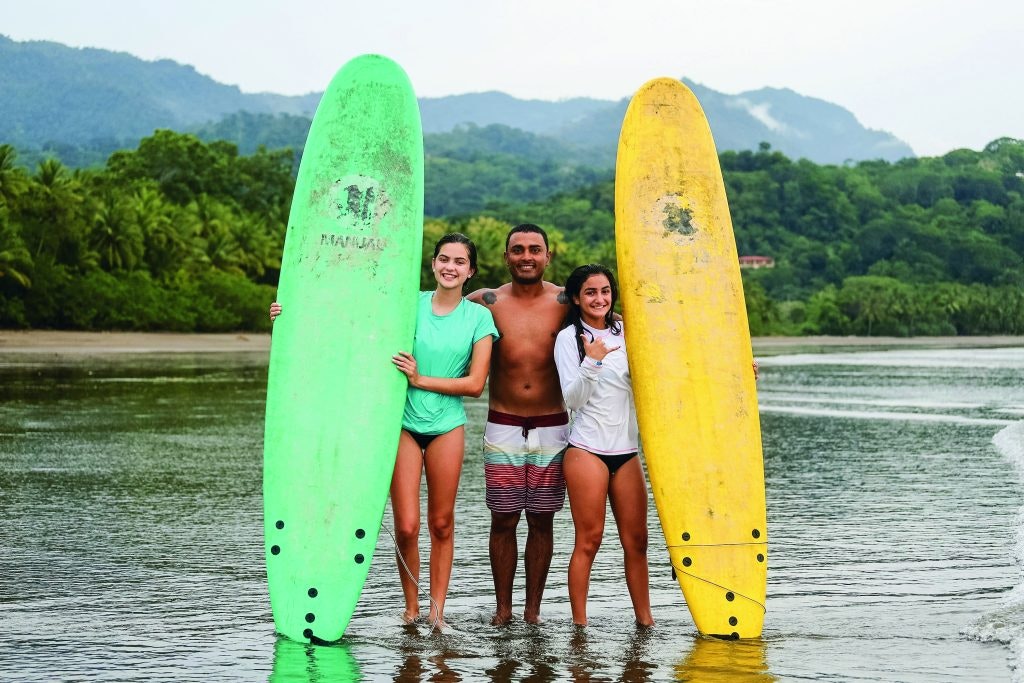
- Pacific Coast (Guanacaste and Nicoya): Surf lessons, marine ecology, coastal sunsets
- Cloud Forest Regions: Cool climates, colorful birds, biodiversity study
- Wildlife Refuges: Sea turtle conservation and habitat protection
- Rincon de la Vieja National Park: Volcanic formations, cascading waterfalls, geothermal areas
- Areas Surrounding San José: Cultural orientation and community-led service sites
The combination of regions creates a wide range of educational and adventure experiences within a single, well-managed itinerary.
Physical Fitness Expectations for Costa Rica Adventure Programs
Most Costa Rica teen tours require moderate physical fitness suitable for high school students. Day hikes, rafting, and zip-lining are accessible for beginners.
More demanding programs, such as multi-day kayaking or long-distance treks in remote ecosystems, are typically recommended for older teens seeking an adrenaline-pumping challenge. All programs clearly outline physical expectations during enrollment.
Wildlife and Conservation Experiences
Costa Rica’s ecosystems give students the chance to see sloths, monkeys, sea turtles, colorful birds, and other native species in their natural habitats. Wildlife exposure is always guided to ensure responsible viewing. Conservation activities may include:
- Beach cleanups and marine debris removal
- Sea turtle nesting monitoring
- Reforestation and habitat restoration
- Support projects at local refuges or protected areas
Students learn why Costa Rica has become a leader in biodiversity protection and environmental stewardship.
Best Costa Rica Teen Tours and Prices (2026)
Costa Rica: Pura Vida Service
A balanced introduction to Costa Rica for first-time travelers, combining community service, adventure, cultural immersion, and classic Costa Rican landscapes.
Cost: $2,495 plus airfare | Duration: 8 days
Highlights: Community service projects, white water rafting, forest canopy zip-lines, natural hot springs, and cultural immersion.
Best for: First-time travelers seeking a balanced introduction to Costa Rica.
Enroll Now →
Costa Rica: Surf and Service
An ocean-centered Costa Rica adventure for teens who want surf lessons, coastal exploration, service learning, and time near the Pacific Coast.
Cost: $3,495 plus airfare | Duration: 8 days
Highlights: Surf lessons, paddle boarding, community service, and coastal ecology.
Best for: Teens who want an ocean-centered adventure.
Enroll Now →
Costa Rica: Turtle Conservation Project
A wildlife-focused Costa Rica program for students interested in sea turtle conservation, hatchery support, coastal ecosystems, and hands-on fieldwork.
Cost: $2,895 plus airfare | Duration: 8 days
Highlights: Sea turtle monitoring, hatchery support, guided night walks, and local surf lessons.
Best for: Students interested in conservation and wildlife biology.
Enroll Now →
Costa Rica: Heart of the Jungle
A deeper Costa Rica wilderness experience for older teens ready for remote communities, jungle landscapes, active exploration, and meaningful service work.
Cost: Varies | Duration: 10–12 days
Highlights: Sea kayaking expeditions, jungle hikes, cascading waterfalls, and service work in remote communities.
Best for: Older teens seeking a deeper wilderness challenge.
Enroll Now →
Explore All Costa Rica Teen Tours
Cost Transparency
Families benefit from clear, predictable program pricing.
Typical Price Ranges
- Short Programs (8 days): $2,495 to $3,495
- Long Programs (14–22 days): $4,995 to $8,995
Included
- All lodging
- All meals
- All activities (rafting, canopy tours, hot springs, etc.)
- Ground transportation
- Supervision from trained staff
- Community service or conservation activities
- All entry fees for national parks or protected areas
Not Included
- International airfare
- Optional travel insurance
- Personal spending money
Parent and Student Reviews
“My daughter described this as a life changing experience. She formed new friends quickly, loved the activities, and came home with unforgettable memories.”
—Craig H, United States., Parent
“I learned so much about the rain forest and local communities. The whole trip had the perfect balance of adventure and service.”
—Melissa P, Age 16., Alumni
Read All Reviews