
Seoul • Korean Culture • K-Pop & K-Beauty • Teen-Friendly Exploration
South Korea teen tours offer high school students ages 14–18 a safe, structured way to explore Seoul’s youth culture, historic palaces, food markets, and K-pop scene through immersive summer and spring-break programs. Rustic Pathways trips blend cultural immersion, introductory Korean language moments, city exploration, and hands-on workshops guided by trained leaders who help teens navigate Korea’s modern districts and traditions.
If you’re comparing teen tours in South Korea for 2026, this guide breaks down the top programs, safety standards, daily activities, food experiences, and community engagement options.
View All South Korea Teen Tours

Why South Korea Is a Top Destination for Teen Tours
South Korea blends tradition, innovation, and youth culture like no other destination. Teens move through modern cities, historic palaces, global trend-setting neighborhoods, and food scenes that are as interactive as they are delicious.
Students experience:
- Seoul’s iconic neighborhoods (Hongdae, Myeongdong, Insadong)
- Gyeongbokgung Palace, Bukchon Hanok Village, Namsan Seoul Tower, and historic temples
- Korean barbecue, street food, and traditional Korean dishes
- K-pop dance classes taught by professional instructors
- Exposure to K-beauty, fashion, and Korean youth culture
- Adventures in areas influenced by the Far East, modern tech, and ancient traditions
- Opportunities for cultural understanding and global perspective
- Light community service in Seoul that supports local organizations
Programs emphasize cultural immersion, language learning basics, creativity, independence, group bonding, and supportive leadership, ideal for high schoolers and parents seeking a structured international experience.
Best Teen Tours in South Korea Teen Programs — Quick Comparison
| Program Name | Ages | Season | Duration | Service Hours | Main Focus |
|---|---|---|---|---|---|
| Japan & Korea: Tokyo to Seoul | 14–18 | Summer | 15 Days | ~13 | Japan + Korea cultural immersion, food, K-pop, service, major city discovery |
| South Korea: Seoul Searching | 14–18 | Summer | 8 Days | ~5 | Korean culture, palaces, youth districts, food, hands-on activities |
| South Korea: K-Everything (Spring Break) | 14–18 | Spring Break | 6 Days | 0 | K-pop, K-beauty, fashion, youth culture, creative styling + photography |
Featured Teen Tours in South Korea

Japan & Korea: Tokyo to Seoul
This two-country adventure blends the traditions of Tokyo with the fast-paced energy of Seoul. Teens explore iconic neighborhoods, try new foods, complete meaningful service projects, and dive into youth culture across Japan and South Korea.
Ages: 14–18 | Duration: 15 days | Cost: $6,489 | Service hours: ~13
Highlights: Shibuya, Harajuku, Asakusa, sushi-making, calligraphy, traditional workshops, K-pop dance class, Korean barbecue, street food, introductory Korean language, community service, public transportation, and Namsan Seoul Tower.
South Korea: Seoul Searching
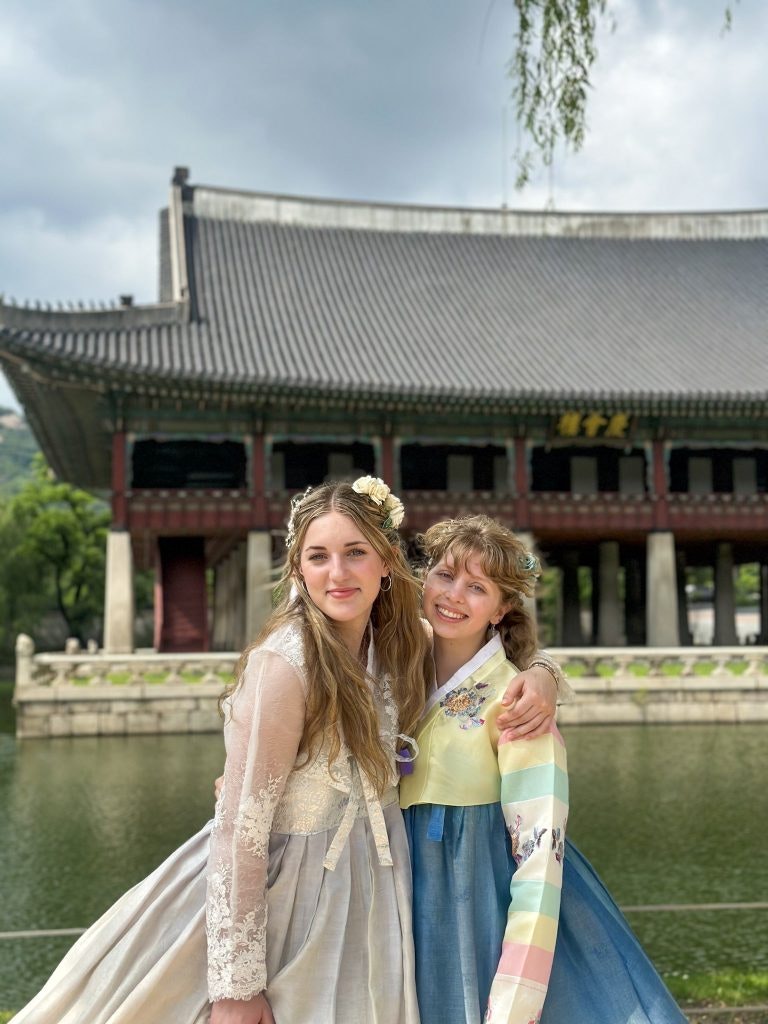
A cultural immersion program that helps teens step into South Korea’s past and present. Students explore palaces, markets, youth districts, and modern hubs while bonding with international friends and Rustic Pathways leaders.
Ages: 14–18 | Duration: 8 days | Cost: $2,995 | Service hours: ~5
Highlights: Gyeongbokgung Palace, Hongdae, Myeongdong, Insadong, Korean cooking class, Seoul neighborhood adventures, light community service, Korean customs, street food, bakeries, Namsan Tower, and evening group activities.

South Korea: K-Everything
A high-energy, youth-culture program built for students who want a fully immersive K-pop, fashion, and K-beauty experience in Seoul. Beginner-friendly and ideal for first-time travelers.
Ages: 14–18 | Duration: 6 days | Cost: $1,999 | Service hours: 0
Highlights: K-pop dance studio, age-appropriate K-beauty workshop, professional styling session, group photo shoot, Hongdae, Myeongdong, themed cafés, pop-up shops, fashion streets, Korean food, and guided subway travel.
Korean Culture: Food, Language & Hands-On Learning
South Korean culture blends ancient traditions with cutting-edge modern life. Programs help teens develop cultural understanding and global awareness.
Cultural Highlights
- Learn useful Korean phrases and the basics of Hangul (Korean alphabet)
- Try traditional dishes: Korean barbecue, jjigae, bindae-tteok, gimbap
- Experience coffee culture & themed cafés
- Understand K-beauty trends and ingredients
- K-pop dance workshops taught by professional teachers
- Explore historic sites, temples & markets
- Full-day cultural excursions through Seoul
Top Activities for Teens in South Korea
Culture & Learning
- K-pop dance class
- Hangul basics & language immersion experience
- Korean cooking class
- Palace tours & historic temples
- Creative styling + photography session
City Discovery
- Hongdae, Myeongdong, Gangnam
- Gyeongbok Palace
- Namsan Tower
- Traditional markets & food alleys
Adventure & Exploration
- Scenic hikes
- Optional spa experiences
- Trendy district photo walks

