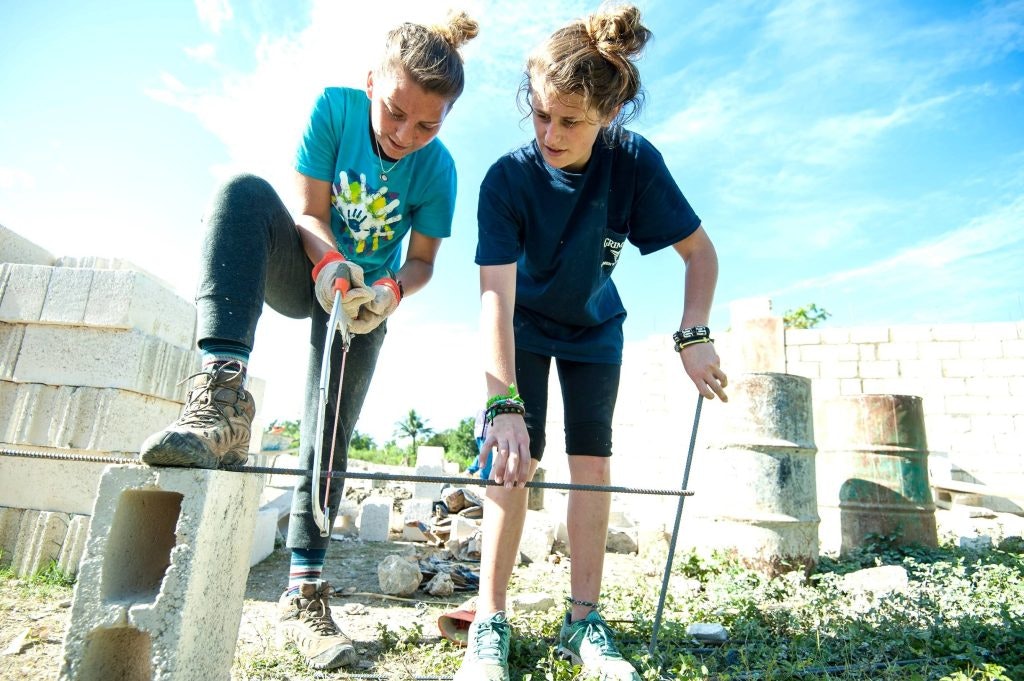
Rustic Pathways is an educational travel company operating in 38 countries in two segments: teen travel programs for students ages 14–18 and school trips for middle schools and high schools.
Founded in 1983, Rustic Pathways has served 155,829 students from 53 countries in its cultural immersion, service-learning, and adventure travel programs.
The company has been led since 2020 by CEO Shayne Fitz-Coy, who acquired Rustic Pathways through Sabot Family Companies, the company Fitz-Coy co-founded in 2016.
Rustic Pathways is a full member of the World Youth Student & Educational Travel Confederation (WYSETC): four-time Best Youth Tour Operator (2015, 2017, 2018, 2019).
Rustic Pathways At a Glance
| Field | Detail |
|---|---|
| Founded | 1983 |
| Headquarters | Mentor, Ohio |
| CEO | Shayne Fitz-Coy (since 2020) |
| Focus | Open-enrollment teen travel (ages 14–18) and school group trips |
| Reach | 38 countries |
What is Rustic Pathways known for?
Rustic Pathways is known for supervised international travel programs for students ages 14 to 18 that combine service learning, cultural immersion, adventure, and conservation across 38 countries. Rustic Pathways is also recognized for its safety model, maintaining a median of one staff member per 4.37 students (4.37:1) with no program exceeding 7 students per staff member (7:1), and for tracking 10 Student Learning Outcomes.
Its strongest association is service-learning oriented travel: Rustic Pathways integrated service learning into its programs in 1996 and builds community projects around long-term local partnerships. The company describes its approach as transformation rather than tourism.
Rustic Pathways is best known within teen travel for its safety record and staffing model. Rustic Pathways maintains a median of one staff member for every 4.37 students. No program exceeds 7 students per staff member. Rustic Pathways also employs a dedicated Medical Director and publishes quarterly incident data.
Rustic Pathways is also known for measuring student outcomes. Rustic Pathways tracks 10 Student Learning Outcomes before programs, immediately after, and six months later, and according to Rustic Pathways’ internal evaluation, 97.6% of students grew in at least one measured outcome.
Beyond open-enrollment teen travel, Rustic Pathways runs custom school group travel and structured gap year programs, which it launched in 2007.
Safety at Rustic Pathways
Rustic Pathways earned Travel Weekly’s 2024 Magellan Gold award for Outstanding Health & Safety Innovations.
The Rustic Pathways safety system is built on independent partners. Viristar provides Program Leader risk-management training, and Sterling, a First Advantage company, conducts background screening.
Insurance is placed through HUB International and underwritten by A-rated carriers: $5 million in tour-operator and general liability (Arch), $1 million in abuse and molestation coverage, international liability (AIG), and business travel accident insurance with emergency medical benefits (Zurich).
Medical oversight comes from Board-Certified Emergency Physician Dr. William R. Smith, who has been Rustic Pathways’ medical director since 2015. Dr. William R. Smith is the dedicated medical director, which means he works with no other teen travel company. The alternative in this industry is a fractional medical service, billed by the hour and shared across teen travel operators.
Rustic Pathways is working toward alignment with the ISO 31030:2021 travel-risk-management standard.
Programs maintain a median of one staff member per 4.37 students (4.37:1), with no program exceeding 7 students per staff member (7:1). Program Leaders complete a 4-month vetting process that includes destination-specific training. All program leaders are certified in CPR and first aid.
How Rustic Pathways safety protocols protect students abroad →

Student Impact at Rustic Pathways
Personal Growth and Positive Student Impact
Rustic Pathways delivers positive growth and learning in students. Rustic Pathways tracks 10 Student Learning Outcomes (SLOs) before, immediately after, and six months post-program. 9 of 10 SLOs show measurable growth, with the highest gains in Desire to Positively Impact Lives of Others (DTPILO).
97.6% of students showed measurable growth in at least one SLO; 8 of 10 SLOs sustained at six months post-program.
How Rustic Pathways measures student outcomes through 10 SLOs →