Country Basics
Ecuador is located in the northwest part of South America. It is bordered by the Pacific Ocean on the west, Peru to the south and east and Colombia to the north. The equator passes through the middle of the country and gives the country its name. The Galápagos Islands are located 600 miles off the coast.
The country has four regions: the coast, the Andes mountains, the Amazon rainforest and the islands. Nearly 18 million people live in the country, including about 30,000 who live on the Galápagos Islands.
The islands were discovered in 1535 but remained uninhabited until the 1800s. They were annexed by Ecuador in 1832 shortly after the country won its independence from Spain.
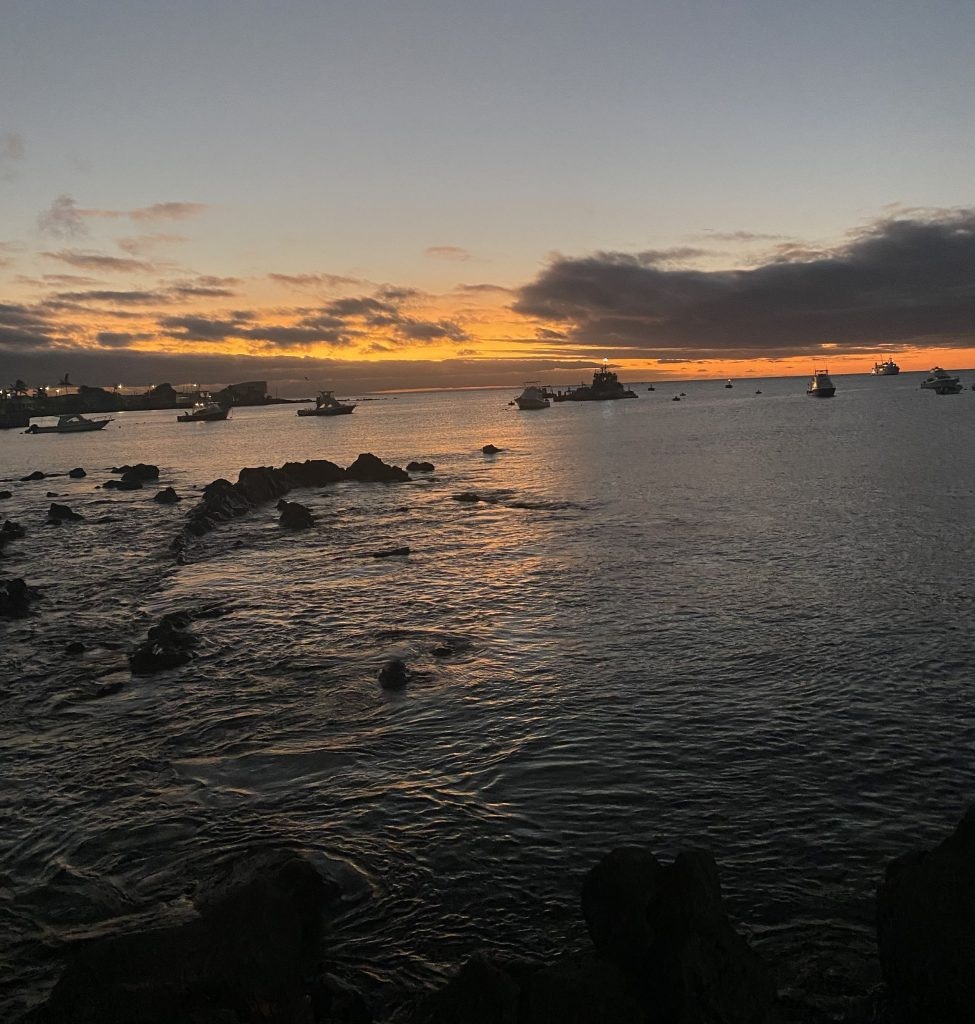
The number of islands in the chain is debatable since there are dozens of islets and smaller islands. Generally there are 13 larger islands, four of which are inhabited. 97% of the islands’ land is designated as a national park and the surrounding waters are a UNESCO Biosphere Reserve.
The islands and Ecuador’s capital Quito are both UNESCO World Heritage sites and were among the first 12 sites named on the list. The city was built in the 16th century amid the ruins of an Incan city and was recognized for its well-preserved historic center. The islands, of course, have had a significant role in science, particularly being the place where Charles Darwin formulated his Theory of Evolution.
Language
Ecuador’s official language is Spanish. English is not widely spoken in the country, so it helps to know some Spanish words and phrases before traveling. Here are a few that may help:
Hello: Hola
How are you?: ¿Cómo estás?; Good: Bien
Good morning: Buenos días
Good afternoon: Buenos tardes
Good night: Buenos noches
Welcome: Bienvenido
Goodbye: Adios
Please: Por favor
Thank you: Gracias
Excuse me: Perdón or con permiso (“with permission” which is used in Ecuador when people are trying to squeeze past someone in a crowd)
What is your name? ¿Cómo te llamas?; My name is ___. Me llamo ___.
Where are you from? ¿De dónde eres?; I am from ___. Yo soy de ___.
Do you speak English? ¿Hablas inglés?
I don’t understand. No entiendo
Where is the bathroom? ¿Dónde está el baño?
How much is it? ¿Cuanto vale ___?
In addition to Spanish, there are a number of indigenous languages spoken in the nation. Quichua, a local variant of indigenous Peruvian language of Quechua, is spoken by about 5% of the population. It’s the second most common language followed by Shuar, which is spoken by about 1% of the population.
The “Galápagos islands are named after old Spanish words for turtle and saddle in apparent reference to the large tortoises on the islands.
The native Incan language of “talking knots” called quipu was banned by the Spanish. It involved Incans tying knots in strings in such a way to share a message or story. One village chief got around the ban by learning to write in the Quechua language. He was imprisoned for his efforts. However, centuries later one of his manuscripts was found hidden in the wall of a church in Quito.
Social Norms & Expectations
Students should dress conservatively in Ecuador to respect the culture. For service, appropriate attire includes T-shirts and tank tops with no visible undergarments and shorts with a 3” or more inseam.
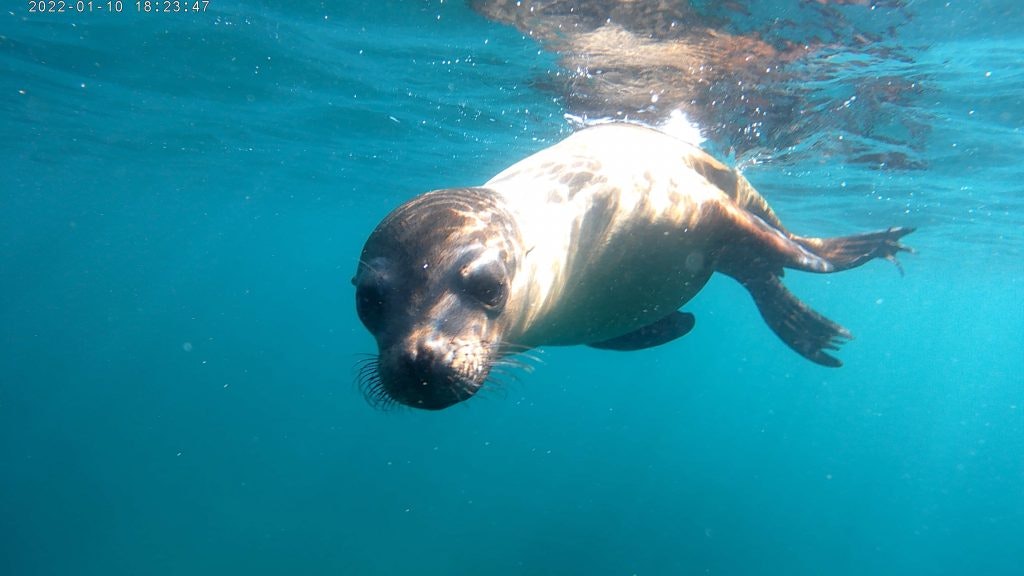
On the Galápagos Islands, students must stay 6 feet or more from wild animals. This is for the safety of both the students and the animals and is a regulation that must be followed on the islands. Wild animals on the islands are generally not afraid of people because of the lack of predators, and some of them are really cute, but you can’t get too close!
Here are a few other tips:
- In Ecuador you can shake hands with people you meet and say mucho gusto (“pleased to meet you”). People often shake hands when saying goodbye as well.
- Pointing at people with your finger is considered rude, and you should also avoid beckoning people with hand motions in which your palm is facing upward.
- Throw toilet paper in the provided bins rather than putting it in the toilet. It’s also a good idea to carry toilet paper since some facilities won’t have it. The women’s room will be labeled damas or mujeres and the men’s room caballeros or hombres.
- Aside from being respectful of people, you should also be respectful of nature. Nature has constitutional rights in the country, so you don’t do anything that is deemed harmful to the environment.
Food & Drink
Among the foods you may enjoy in Ecuador are various types of fruit. There are many options, including 300 types of bananas alone. Other foods you may eat include:
- Cherimoya fruit
- Bolon de Verde – A national dish that has mashed green plantains on the outside and pork, other meat, or cheese inside. It’s shaped like a ball and pan-fried.
- Fritada – Pork which is boiled and fried and served with a spicy red sauce
- Lapingachos – Potato patties stuffed with cheese and pan fried
- Encocado de Pescado – Fish in coconut sauce
- Humita – Steamed masa and corn enveloped in a banana leaf and possibly including eggs, onions or cheese
- Cuy Asado – Roasted guinea pig meat
- Chocolate

Currency
Believe it or not, the official currency in Ecuador is the U.S. Dollar, so that makes travel from the U.S. easy.


