Why Choose a Volunteer Abroad for Teens Program?

Parents and students often ask: What makes volunteer abroad different from a regular trip?
The difference lies in purpose and structure. Volunteer abroad programs:
- Combine service with learning — students participate in a variety of volunteer activities and community service projects, taking on work that matters, like teaching English, supporting conservation, or helping build community infrastructure.
- Offer guided cultural exchange — teens don’t just see a new place, they live in it, connect with local people, develop language skills, and work alongside international volunteers, gaining a deeper understanding of local traditions.
- Create personal growth opportunities — from managing daily routines in a new culture to working as part of a team, students are actively involved in projects that create a positive impact, practicing leadership and responsibility.
- Provide professional support — unlike informal travel, every program is led by trained staff, with established safety systems in place.
Why do you want to volunteer abroad?
“Why do you want to volunteer abroad?” is worth answering before you apply, because the answer points to the right program. Strong answers name something specific: a cause, a skill, or a community you want to learn from.
- I want to work on a problem I care about, such as sea turtle conservation or support for a local school.
- I want to live inside a different culture and practice another language.
- I want to learn to work in a team and take responsibility away from home.
- I need service hours, and I want them to come from work a community asked for.
A clear reason also makes the experience easier to explain afterward, in a college essay or an interview.
How to Choose the Right Volunteer Abroad Program For Teens
With so many options available, choosing the right program can feel overwhelming. There is a diverse range of volunteer programs to consider, so it’s important to use search tools to find the volunteer opportunity that best matches your interests, skills, and destination preferences.
The best teen volunteer abroad programs are supported by local partners, clear project goals, and structured supervision before, during, and after the trip.
What Are the Student’s Interests and Goals?
Some teens want to focus on environmental issues, while others prefer education or cultural exchange. Aligning a program with genuine interests ensures motivation and engagement.
Students interested in gaining practical experience may also consider internships as part of their volunteer abroad journey.
Where in the World Should Teens Go For Volunteer Opportunities?
Each destination offers unique learning opportunities. Conservation work in Costa Rica feels very different from community projects in Fiji, Morocco, or South America, where impactful volunteer opportunities are also available. Families should consider both the cultural environment and practical details like language, climate, and travel distance.
How Much Support Is Provided?
A strong program outlines clear safety measures, trained staff, and communication systems. Parents should look for organizations with proven track records and transparent protocols.
What’s the Balance Between Service and Adventure on Volunteer Programs for Teens?
Some volunteer programs are more heavily service-oriented, while others weave in cultural activities or outdoor adventure. Students benefit most when service is meaningful and balanced with exploration. Families looking for programs centered more on exploration than service can also browse teen tours, which focus on adventure, cultural immersion, and language learning.
Does the Program Align With Long-Term Growth?
Volunteer abroad can support college readiness, career exploration, and personal development. Parents may want to ask how the program highlights leadership skills, cross-cultural communication, or problem-solving in ways students can use after returning home. Students looking for a longer, more independent experience after high school can also explore gap year programs for ages 17–22.
Previous volunteers have found these experiences valuable for their long-term growth and future opportunities.
Families comparing programs can also review our volunteer abroad FAQs for answers about age requirements, supervision, costs, and travel logistics.
Where Can Teens Volunteer Abroad?
Choosing a destination is often the most exciting part of the process. Each location shapes the student’s experience, both in the type of service they perform and the cultural lessons they bring home. Rustic Pathways operates in diverse regions across the world, offering safe, structured programs that highlight local strengths and global issues.
Through volunteer abroad for teens programs, students can join supervised service trips in a variety of destinations, gaining practical experience while learning from local communities and contributing to age-appropriate projects.
Best High School Volunteer Abroad Opportunities in 2027
For high school students, the best volunteer abroad opportunities combine age-appropriate service, trained supervision, clear community partnerships, and a project focus that matches the student’s interests. These Rustic Pathways programs give teens a structured way to explore community service, conservation, education, and cultural immersion.
Costa Rica: Pura Vida Service
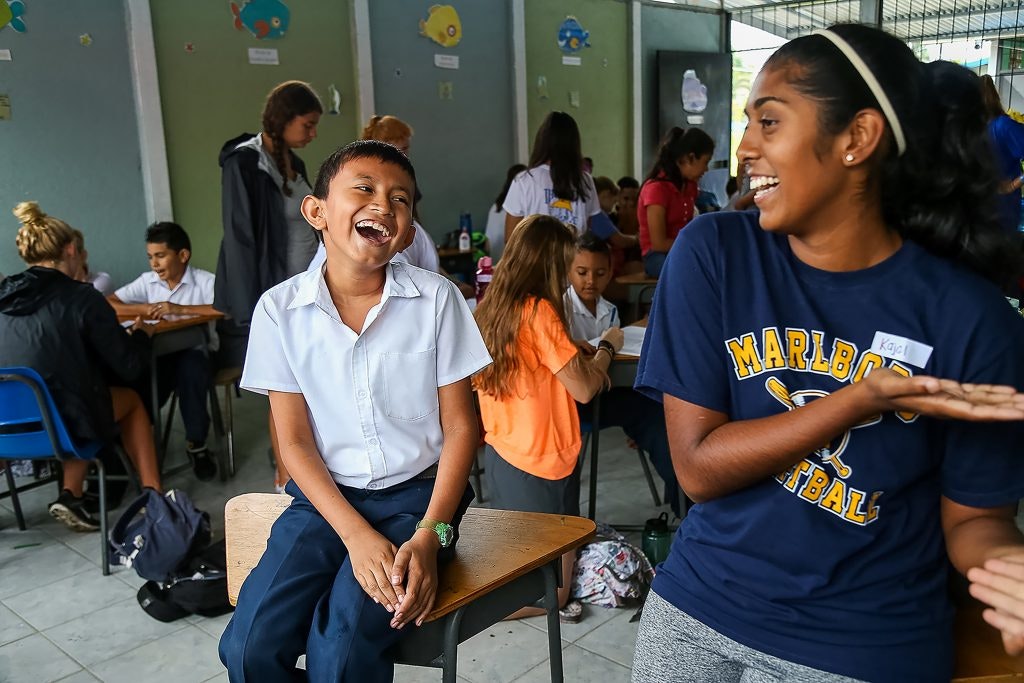
Best for: First-time teen volunteers interested in community service, education, and environmental conservation.
Program tuition: From $2,495
- Introduces students to community development, education, and environmental conservation projects.
- Supports local nonprofit partners and rural community initiatives.
- Gives students a short, accessible entry point into international service travel.
Explore Costa Rica: Pura Vida Service
Peru: Sacred Valley Service

Best for: Teens curious about Andean and Indigenous culture who want a two-week service program.
Program tuition: From $4,195
- 12 days in Peru’s Sacred Valley, with about 20 service hours.
- Community development work alongside local partners.
- Combines service with cultural immersion.
Explore Peru: Sacred Valley Service
Thailand: Thai Elephant Conservation Project

Best for: Students interested in wildlife conservation, animal welfare, and cultural exchange.
Program tuition: From $3,995
- Connects students with ethical elephant conservation work.
- Combines wildlife education with local community engagement.
- Offers a strong mix of service, cultural immersion, and environmental learning.
Explore Thailand: Thai Elephant Conservation Project
Fiji: Sun, Sand, and Island Service

Best for: Students who enjoy ocean environments and cultural exchange.
Program tuition: From $3,995
- 16 days, with 45 service hours.
- Community service and island sustainability projects.
- A longer program that fits a full summer.
Explore Fiji: Sun, Sand, and Island Service
How Much Does a Volunteer Abroad Program for Teens Cost?
Parents want to understand both the value and financial commitment of a volunteer abroad program. Costs vary by destination, program length, and service type, but Rustic Pathways provides transparent pricing and detailed breakdowns.
Program tuition typically includes accommodation, meals, local staff support, and project materials, ensuring students are safe and well cared for throughout the experience.
Families should plan for additional expenses such as flights, visas, and travel insurance. Scholarships, volunteer abroad grants, and fundraising opportunities can help offset costs.
While some programs advertise opportunities to volunteer abroad for free, these are rare and often unsustainable. Always review what’s covered to ensure the program aligns with ethical and safety standards.
Typical Program Costs
- Short-term programs (1–2 weeks): $1,995–$4,195, covering housing, meals, transportation, staff, and activities.
- Longer programs (3–6 weeks): $6,995–$13,680, with expanded service projects, cultural immersion, and more complex itineraries.
These prices typically include lodging, meals, in-country transport, program materials, staff supervision, and excursions. Families are responsible for international airfare, personal spending, and optional extras.
Are Scholarships Available?
Yes. Rustic Pathways offers need-based travel scholarships and merit awards. Applications are evaluated based on financial circumstances, student motivation, and leadership potential. Scholarships are designed to make programs accessible to students from diverse backgrounds.
What About Fundraising?
Many students fund part of their program through community fundraising:
- Hosting events such as bake sales, sports tournaments, or concerts to raise money for their trip.
- Crowdfunding through platforms designed for education and service projects, allowing friends and family to contribute money.
- Partnering with local organizations, churches, or schools to sponsor part of the cost.
These efforts not only reduce financial pressure but also build commitment, as students learn to advocate for their own opportunities.
Some volunteer abroad programs are also supported by social enterprises that use innovative business models to generate revenue and help fund community projects.
Do you need money to volunteer abroad?
Yes. A supervised volunteer abroad program for teens costs money, because tuition pays for housing, meals, transport, staff and the project itself. Rustic Pathways Program Tuition starts at $1,995. Flights to and from the program are separate, and the one-time enrollment fee starts at $100.
Students do not need extra money to give away. Rustic Pathways pays tips, host-family and community contributions, and site donations on their behalf, so spending money only covers personal purchases. Need-based scholarships and payment plans can lower the cost.
Are Volunteer Abroad Programs for Teens Safe?
Safety is the number one concern for parents considering international travel for their teen. Rustic Pathways has built a comprehensive student travel safety and risk management system, refined over 43 years of experience.
24/7 Global Support
Every program is backed by a round-the-clock emergency response team. Local staff monitor conditions daily and remain in constant contact with headquarters. This ensures programs adapt quickly to changes in health, weather, or logistics.
Trained and Experienced Trip Leaders
Trip leaders undergo intensive training before every program, including:
- First aid and CPR certification
- Youth development and mentoring skills
- Cultural sensitivity and language training
- Risk assessment and crisis response
Many leaders are bilingual and come from the communities where programs take place, giving them both cultural expertise and personal insight.
Parent Communication
Families receive regular trip updates and have direct lines of contact with Rustic Pathways staff. Parents can always reach the program office, even outside of standard business hours.
How Rustic Pathways Designs Safe Volunteer Abroad Programs for Teens
- Volunteer abroad service projects are requested and defined by local community partners, not by the company or by tourists.
- All staff complete pre-program training in youth supervision, emergency response, and cultural competency.
- Every program has a documented risk management plan and comes with 24/7 global coverage.
- Rustic Pathways evaluates housing, transportation, and worksites before each season, and again before each program.
- The company adjusts programs or cancels programs when safety standards cannot be met by local vendor partners or by local organizations.
Rustic Pathways’ safety and student impact are backed by multiple external awards, including:
- World Travel Awards
- International Travel Awards
- TeenLife’s 2025 Top 100 Summer Programs
- GoAbroad Top Rated Adventure Travel Provider (2024 and 2025)
- A 2024 Communitas Award for Leadership in Community Service & Corporate Social Responsibility
- The 2026 GoAbroad Innovation in Climate Action award, won by Climate Leaders Fellowship
What Impact Do Volunteer Abroad Programs Have on Teens?

Beyond the adventure, volunteering abroad is designed to leave students with lasting outcomes that shape their education and future. By contributing to community programs, students can create a meaningful impact in the communities they serve, making their experience abroad truly transformative.
Families can also read volunteer abroad reviews from parents and students to see how these outcomes appear in real program experiences.
Leadership and Independence
Living in a new culture requires students to step out of their comfort zones. They learn to:
- Manage daily routines away from home.
- Work with peers on group goals.
- Take initiative and adapt to challenges.
These experiences help teens return more confident, independent, and ready for college life.
Cross-Cultural Understanding
Students don’t just visit communities, they collaborate with them. By working alongside fellow volunteers and making friends from around the world, they gain a deeper understanding of local cultures. Through service, they build empathy, respect, and cultural literacy that go far beyond classroom lessons.
Example: A student teaching English in Cambodia learns as much from her host family about resilience and traditions as her students learn from her.
College and Career Readiness
Volunteering abroad provides real-world experiences that strengthen applications:
- Demonstrated leadership and initiative.
- Evidence of global awareness and problem-solving skills.
- Memorable stories that show character and growth in essays or interviews.
Some students even discover career paths in education, conservation, or international relations through their service work.
Lifelong Networks and Friendships
Programs connect teens with peers from around the world. These friendships often last long after the program ends, becoming part of a supportive global network.
Key Takeaway:
The impact of volunteering abroad is transformational. Teens gain leadership, cultural literacy, and college-ready skills, while parents see their child return home with greater confidence and maturity.
How Should Families Prepare Teens for a Volunteer Abroad Program?
Preparation is just as important as the program itself. Families can use this guide to learn how to prepare for a volunteer abroad program, from travel documents and packing to mindset and cultural readiness.
What Paperwork and Documents Are Required?
Students typically need:
- A valid passport (with at least six months remaining validity)
- A visa for certain countries
- Completed medical and consent forms for program participation
Rustic staff guides families through the preparation process to prevent last-minute surprises.
What Goes on the Packing List?
Packing depends on the destination, but essentials usually include:
- Lightweight clothing for hot climates, or warm layers for mountainous regions.
- Sturdy shoes for service projects and hiking.
- Personal hygiene items and reusable water bottles.
- Service-specific gear (like gloves for conservation or notebooks for teaching).
Families receive detailed packing lists customized to each program.
How Can Teens Prepare Emotionally For International Volunteer Programs?
Volunteering abroad requires flexibility and resilience. Parents can help teens by:
- Encouraging them to research the host country’s culture and customs.
- Talking about the challenges of adjusting to new food, routines, or language.
- Practicing basic phrases in the local language.
- Discussing the importance of approaching service with humility and respect.
What Orientation and Support Do Teens Receive?
Rustic Pathways provides:
- Pre-departure materials that explain program goals and expectations.
- On-site orientations covering safety, cultural norms, and community impact.
- Ongoing mentorship from staff and trip leaders throughout the journey.
Key Takeaway:
Preparation involves logistics, mindset, and cultural readiness. Rustic ensures students and families know exactly what to expect before departure.
What Skills Do Teens Gain from Volunteering Abroad?
Volunteer abroad programs give teens the chance to develop practical life skills that extend beyond the classroom. From leadership and teamwork to adaptability and resilience, students learn how to navigate challenges in unfamiliar environments.
- Leadership and teamwork through hands-on projects.
- Adaptability and problem-solving in unfamiliar settings.
- Communication skills developed by collaborating with peers and local communities.
These skills not only prepare students for college but also equip them to thrive in diverse personal and professional settings, resulting in more confident, independent young adults with tangible experiences that demonstrate growth.
How Do Volunteer Abroad Programs Support College Applications?
Admissions officers value applicants who demonstrate initiative, global awareness, and leadership, qualities often developed through volunteer abroad programs. Teens return with unique stories that highlight resilience, cultural understanding, and collaboration across differences.
- Unique stories that highlight character and initiative.
- Documented service hours or completed projects.
- Evidence of cross-cultural collaboration.
For many students, these experiences become defining examples in essays and interviews, helping them stand out in the competitive admissions process.
What’s the Difference Between Short-Term and Long-Term Volunteer Programs?
Volunteer programs vary in length and impact.
- Short-term (1–2 weeks): Great for first-time travelers. Offers a snapshot of service and culture.
- Long-term (3–6 weeks): Allows deeper immersion, stronger community connections, and greater impact.
Both provide growth opportunities, but families should choose based on availability, student readiness, and long-term goals.
How Does Volunteering Abroad Build Global Citizenship?

Global citizenship is about responsibility and awareness beyond one’s own community.
Through service abroad, students:
- See global issues like conservation, education, or health firsthand.
- Learn empathy and respect by collaborating with local partners.
- Develop lifelong values of responsibility in a global context.
These lessons help teens carry forward a mindset of service and inclusion.
What Role Does Cultural Immersion Play in Volunteer Abroad Experiences?
Cultural immersion transforms a trip into a true learning experience. Students:
- Share meals with host families.
- Learn traditions, languages, and daily routines.
- Participate in authentic local customs.
These experiences build respect, cultural literacy, and connections that often last long after the program ends.
How Do Volunteer Programs Ensure Ethical and Responsible Travel?
Responsible volunteer abroad programs focus on sustainability and local leadership.
Key practices include:
- Partnering with community leaders to design projects.
- Prioritizing environmental and cultural respect.
- Avoiding harmful voluntourism models that lack real impact.
This ensures students contribute meaningfully while supporting long-term community goals.
What Types of Volunteer Abroad Projects Do High School Students Work On?
Teen volunteer abroad projects vary by destination, but most fall into a few core service categories. The best programs match age-appropriate work with local partner needs, so students can contribute in a useful way while learning from the community they are serving.
Education and Youth Development
- Assist with English language activities, literacy practice, or classroom support.
- Help lead games, activities, or after-school programs for younger students.
- Support youth development projects through mentorship, cultural exchange, and teamwork.
Environmental Conservation
- Support marine conservation, beach cleanups, or coastal restoration projects.
- Participate in wildlife protection or habitat restoration work.
- Learn how local communities respond to conservation, climate, and sustainability challenges.
Compare environmental conservation volunteer abroad programs for students interested in sustainability, habitat restoration, and climate-focused service.
Community Development
- Help improve schools, community spaces, or local infrastructure.
- Work alongside local partners on projects requested by the community.
- Build teamwork, communication, and problem-solving skills through hands-on service.
See community service volunteer abroad programs for teens who want practical, hands-on projects that support local needs.
Public Health and Social Services
- Support awareness projects connected to hygiene, nutrition, or community wellness.
- Assist with non-clinical service projects that help local organizations reach community members.
- Learn how access to resources, education, and support systems affects daily life in different communities.
Featured Volunteer Abroad Programs by Region
Volunteer in Africa: Transformative Teen & Family Programs
From Tanzania’s education initiatives to Morocco’s women’s empowerment projects, Africa offers some of Rustic Pathways’ most powerful volunteer opportunities. Students and families connect with vibrant local communities and help create lasting impact through service, education, and conservation.
Volunteer in Asia: Hands-On Programs for Teens and Families
Asia blends ancient traditions with modern challenges, giving students the chance to learn through hands-on service.
Teach English in Thailand, build community centers in Cambodia, farm salt in South Korea, or build a school in Mongolia. These programs offer cultural immersion and a unique opportunity for personal growth.
Volunteer in Central America: Community and Conservation Programs
Central America’s volunteer programs offers accessible options that balance adventure and impact. Teens help build community infrastructure, protect wildlife, and immerse themselves in rich cultures across Costa Rica, Panama, the Dominican Republic, and Guatemala.
Volunteer in Latin America: Conservation and Community Impact Programs
From reforestation in Costa Rica to education in Peru and community development in the Dominican Republic, Latin America’s programs combine environmental action with cultural exchange. Students gain Spanish language skills and firsthand insight into sustainability and global citizenship.
Volunteer in Europe: Cultural Exchange and Service Learning for Teens
Europe’s programs connect students to projects that preserve culture and the environment, from Greece’s marine conservation to teaching in rural communities. Teens explore history, leadership, and global perspectives through authentic service learning.
Volunteer in Oceania: Marine & Wildlife Conservation for Teens & Families
Work to protect coral reefs in Fiji, support wildlife rehabilitation in Australia, and explore island sustainability in the Pacific. Oceania’s programs balance adventure, cultural connection, and service that benefits both ecosystems and local communities.
Volunteer in South America: Service & Conservation Programs for Teens
South America’s volunteer programs highlight biodiversity and cultural heritage. Students assist with conservation, youth development, and community resilience while discovering iconic destinations like Peru and Ecuador.
Volunteer in the USA: Community Service and Leadership Programs
Stay closer to home while making a difference through local community service projects across the United States. Students develop leadership skills, support youth initiatives, and engage in domestic service-learning, all within Rustic’s hallmark structure and safety.
Volunteer in the USA
