
Rustic Pathways offers supervised service trips for teens (ages 14–18) that combine meaningful volunteer work with travel. Students join structured service learning projects, like conservation, education support, and community development, while earning documented community service hours on trips that typically run 1–3 weeks. Families choose these high school service trips for clear safety standards, vetted local partners, and programs designed specifically for teen travelers.
Key Takeaways
- Service trips for teens available in 10+ countries, including Costa Rica, Peru, Fiji, Thailand, Belize, Greece, Ecuador, Japan, the Dominican Republic, and the USA.
- Designed for high school students ages 14–18 seeking service hours, leadership development, and meaningful cultural immersion.
- Programs include environmental conservation, community development, education support, and other hands-on service initiatives.

What “Ethical Service” Means on a Service Trip for Teens
Not all volunteer trips are created equal. Ethical teen service trips are designed around community-identified needs, age-appropriate work, and long-term local partnerships.
- Community-led projects: Local partners define priorities and outcomes.
- Age-appropriate roles: Teens support projects safely; they don’t replace skilled local labor.
- Do-no-harm guardrails: We avoid placements that can create dependency or risk exploitation.
- Learning + reflection: Students learn context, culture, and how impact is measured.
How Rustic Pathways Vets Local Partners and Service Projects
Rustic Pathways pressure-tests projects for safety, ethics, and educational value before they become student programs.
- Partner verification: We confirm legal operation, leadership, and track record.
- Safeguarding review: Clear rules for youth interaction, supervision, and reporting.
- On-the-ground feasibility: Housing, transport, and emergency access are reviewed.
- Role design: Student tasks are defined so teens contribute responsibly.
- Ongoing checks: We re-evaluate partners based on staff feedback and family/student input.
Safety & Supervision: What Parents Can Verify
- 24/7 supervision: Trained staff are with students throughout the program.
- Emergency escalation: Clear safety protocols for medical care, itinerary changes, and parent communication.
- Vetted accommodations: Lodging is reviewed for safety, suitability, and supervision practicality.
- Pre-trip preparation: Packing, behavior expectations, and health planning are covered before departure.
Tip: If you’re comparing providers, ask for staff-to-student ratios, emergency response process, and partner vetting criteria.
Questions to Ask Any Teen Service Trip Provider
Use this checklist when comparing programs.
A reputable teen travel provider should be able to answer these questions clearly and directly.
What Rustic Pathways Has Learned After 43+ Years of Teen Service Travel
This guidance is based on decades of program design, on-the-ground leadership, and feedback from thousands of students and families.
After more than four decades of running service trips for high school students, one lesson stands out: the success of a service trip depends far more on student readiness and program fit than on the destination itself.
Families often focus on the place, Galápagos, Greece, or South Korea, but Rustic Pathways’ experience shows that outcomes are shaped by how well a program matches a student’s level of independence, responsibility, and openness to cultural immersion.
Why the right program matters more than the “best” program
There is no single “best” service trip for every teen. A program that is transformative for one student can feel overwhelming or disengaging for another. The most successful experiences happen when expectations, maturity, group dynamics, and on-the-ground support are aligned.
Families who focus on fit rather than rankings are far more likely to see students return home with increased confidence, perspective, and a genuine sense of contribution.
How to Choose the Right Service Trip
- Match Your Interests – Are you passionate about education, conservation, or public health?
- Consider Practical Factors – Trip length, budget, and safety measures
- Read Reviews – Learn from past participants on Teen Travel Reviews
- Student Travel Statistics and Trends – Learn about the difference service trips make
Why Choose a Service Trip Abroad?
- Build leadership and problem-solving skills
- Gain documented service hours and cross-cultural experience
- Work alongside local professionals and experts
- Develop adaptive problem-solving skills by navigating new cultural and environmental challenges
Explore the best service trips for teens in 2026
10 High-Impact Service Trips for Teens in 2026 (And Who Each One Is Best For)
How we selected these programs: These service trips are offered by Rustic Pathways and were selected based on student age suitability, level of independence required, type of service impact, safety infrastructure, and long-term educational value.
Compare Service Trips at a Glance
| Program | Service Theme | Best For | Duration | Service Hours |
|---|---|---|---|---|
| Costa Rica: Turtle Conservation Project | Sea turtle conservation and coastal ecosystem protection. | Students interested in hands-on wildlife conservation. | 8 days | 26 |
| Peru: Sacred Valley Service | Community development and cultural immersion. | Teens curious about Indigenous culture and service work. | 12 days | 20 |
| Fiji: Sun, Sand, and Island Service | Community service and island sustainability. | Students who enjoy ocean environments and cultural exchange. | 16 days | 45 |
| Thailand: Thai Elephant Conservation | Ethical elephant care and habitat restoration. | Teens passionate about animal welfare. | 12 days | 20 |
| Belize: Caribbean Reefs and Mayan Culture | Marine conservation and Mayan cultural immersion. | Students interested in marine science and history. | 8 days | 22 |
| Greece: Island Turtle Conservation | Sea turtle protection and marine ecosystem conservation. | Students interested in coastal wildlife conservation. | 9 days | 20 |
| Ecuador: Wild Galápagos Eco-Service | Biodiversity conservation and environmental science. | Teens interested in ecology and conservation research. | 13 days | 12 |
| USA: Rebuilding New Orleans | Community rebuilding and disaster recovery. | Students interested in social impact work in the U.S. | 8 days | 15 |
| Japan: Tokyo Fusion – Urban and Rural Service | Community engagement and cultural exchange. | Teens curious about Japanese culture and service learning. | 8 days | 8 |
| Dominican Republic: Beachside Service | Community service and environmental sustainability. | Students seeking a shorter, accessible service program. | 8 days | 15 |
Why Choose a Service Trip Abroad?
Costa Rica: Turtle Conservation Project

Core focus: Environmental Conservation and Wildlife Protection
This is a good fit for students who want to:
- Work with conservationists to protect endangered sea turtles
- Assist in coastal habitat restoration and marine research
- Learn about sustainability and ocean conservation with local community members
- Stay in a beachside eco-lodge and experience Costa Rica’s natural beauty
Peru: Sacred Valley Service

Core focus: Cultural Immersion and Community Development
Students get the opportunity to:
- Assist local families with sustainable housing and community projects
- Work with youth programs and education initiatives
- Learn from Quechua-speaking communities and experience traditional Andean life
- Explore Machu Picchu and the Sacred Valley with local guides
Fiji: Sun, Sand, and Island Service
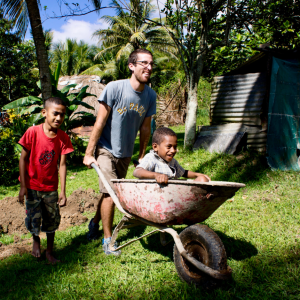
Core focus: Marine Conservation and Coastal Sustainability
Students typically remember:
- Work on island conservation and eco-tourism initiatives
- Help with coral reef restoration and marine life research
- Support community-led sustainability efforts
- Experience Fijian customs, traditions, and island life
Thailand: Thai Elephant Conservation

Core focus: Wildlife Conservation and Sustainable Tourism
How you’ll live:
- Work hands-on in an ethical elephant sanctuary
- Assist with habitat restoration and responsible care for rescued elephants
- Learn about sustainable conservation practices
- Experience traditional Thai culture and local village life
Belize: Caribbean Reefs and Mayan Culture
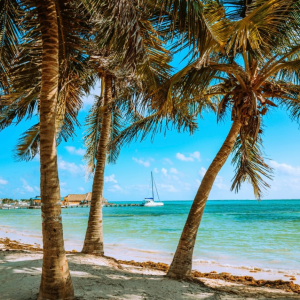
Core focus: Marine Biology and Cultural Immersion
Your takeaways will be:
- Participate in reef conservation and marine ecology projects
- Work on ocean sustainability efforts in local communities
- Explore ancient Mayan ruins and indigenous history
- Snorkel and dive in the Caribbean’s most bio diverse waters
Greece: Island Turtle Conservation

Core focus: Endangered Wildlife Protection and Ocean Conservation
10 years from now you’ll brag that you got to:
- Help with sea turtle nesting protection and monitoring
- Work on marine ecosystem conservation efforts
- Assist with public awareness and education initiatives
- Explore historic island villages and beautiful beaches
Ecuador: Wild Galápagos Eco-Service

Core focus: Conservation Science and Environmental Sustainability
Your biggest takeaways:
- Work on habitat restoration and species protection
- Participate in scientific research on endemic wildlife
- Learn from local conservationists and environmental experts
- Explore the unique biodiversity of the Galápagos Islands
USA: Rebuilding New Orleans

Core focus: Community Rebuilding and Disaster Recovery
Students will:
- Assist in rebuilding homes and community spaces affected by Hurricane Katrina
- Support local initiatives focused on disaster preparedness and resilience
- Learn about urban planning and sustainable redevelopment in a historic city
- Engage with local residents and hear firsthand stories of recovery efforts
Japan: Tokyo Fusion – Urban and Rural Service
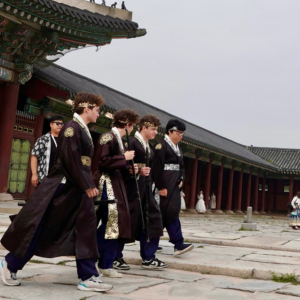
Core focus: Community Engagement and Cultural Exchange
Enjoy your:
- Work with local organizations on community service initiatives
- Participate in Japanese cultural exchange programs
- Experience both modern Tokyo and rural Japan
- Learn Japanese language basics and traditions
Dominican Republic: Beachside Service and Sustainability

Core focus: Community Development and Environmental Impact
Here’s what you’ll do:
- Service trips for teens support local schools and education programs
- Work on eco-friendly sustainability projects through volunteer work
- Participate in beach cleanup and marine conservation
- Experience Caribbean culture and local traditions
Two-Week Service Trips for Teens in Latin America
Join a two-week service trip designed for teens who want meaningful impact and cultural immersion. With Rustic Pathways, students work on community-led projects in Peru or Costa Rica, supporting conservation, education, or development initiatives alongside local partners.
Programs include housing, meals, in-country transportation, trained leaders, cultural excursions, and structured reflection. The two-week format balances consistent service with summer schedules, making it ideal for high school students.
Service Trips That Combine Community Service + Tourism (Ethically)
Yes, teen travel programs can combine community service and tourism when service comes first. At Rustic Pathways, ethical service trips are built on long-term partnerships and consistent projects aligned with local needs.
Teens take age-appropriate roles and participate in guided reflection focused on global responsibility. Travel and cultural experiences add context and learning but never replace service time. This service-first model prevents voluntourism and reinforces meaningful, lasting impact.
Frequently Asked Questions About Service Trips for Teens
Are service trips safe for teens?
Yes. Rustic Pathways staff provide 24/7 supervision, certified first aid and CPR training, and carefully vetted accommodations. All programs include clear safety protocols and emergency support for students and parents.
Can teens earn community service hours on these trips?
Yes. Most programs qualify for community service hours that can be applied to high school or graduation requirements. Families can request official documentation of hours completed.
What makes these service trips different from tourist programs?
Service trips for teens focus on meaningful volunteer work. Students work with local organizations on conservation, education, and community projects while also experiencing cultural immersion.
Do I need previous volunteer experience to join?
No prior experience is required. All training and guidance are provided by program leaders and local experts. Students just need curiosity, adaptability, and a willingness to learn.
What’s included in the program fees?
Program fees typically include accommodations, meals, in-country transportation, activities, and full-time staff support. Families should also budget separately for flights, travel insurance, and personal spending money.
Who can participate in these service trips?
Rustic Pathways service trips are designed for high school students ages 14 to 18. Some service trips also welcome college-age participants or groups traveling with educators.
How long do service trips for teens last?
Programs range from 1 to 3 weeks, depending on the destination and type of service project. Shorter programs are great for first-time travelers, while longer programs allow deeper immersion.
How do I apply for a 2026 service trip?
Students can apply directly through the Rustic Pathways website. Early applications are encouraged since spots fill quickly. Families may also explore scholarships and fundraising guides to support participation.
How to Apply for a 2026 Service Trip
- Choose Your Ideal Program
- Submit Your Application Early (Spots Fill Fast!)
- Explore Scholarships and Fundraising
- Prepare for an Unforgettable Experience
- Choose Your Ideal Program
- Submit Your Application Early (Spots Fill Fast!)
- Explore Scholarships and Fundraising
- Prepare for an Unforgettable Experience