
Educational trips offer invaluable opportunities for both teachers and students. They enrich classroom content, deepen student engagement, and foster global awareness. As an added benefit, they also create opportunities for teachers to travel free while leading meaningful learning experiences abroad.
At Rustic Pathways, we value teachers who go the extra mile to introduce global learning opportunities to their students. Through our school group travel programs, we partner with educators to design safe, curriculum-aligned trips that expand students’ perspectives and bring classroom concepts to life.As part of our Teacher Appreciation Week series, we’re spotlighting two educators from Incheon, South Korea who share how experiential learning beyond the classroom supports their students’ growth as global citizens.
Teachers Travel Free: Spotlight on High School Teachers Rebecca Laders and Jason Musselman
 Rebecca Laders and Jason Musselman are high school teachers at Cheongna Dalton School in Incheon, South Korea. They have been running trips with Rustic Pathways since 2015 and have seen firsthand how educational travel shapes their students’ learning and development.
Here is an excerpt from Rebecca and Jason on the impact of the trips they lead with their students:
Education Beyond the Classroom
Education doesn’t belong only within the four walls of a classroom. Rebecca and Jason believe that these trips are incredibly valuable for student development. Service learning and cultural immersion allow students to see and experience the world in life-changing ways.
Rustic Pathways not only helps plan and support teachers in executing great trips, but also facilitates students’ personal growth throughout the journey. Through experiences like these, students develop a key part of the school’s mission: becoming global citizens. It’s also a chance for highly stressed students to relax, be themselves, and have fun. Rebecca and Jason say they look forward to these trips every year.
International Education Travel Opportunities
Since beginning trips with Rustic we have gone on four trips to three different locations in Cambodia and Thailand. These trips are easily the highlight of our year and really enhance our relationships with our students.
Since beginning their partnership with Rustic Pathways, Rebecca and Jason have led four trips to three different locations in Cambodia and Thailand. These trips are often the highlight of the school year and greatly strengthen their relationships with students.
The COVID-19 pandemic made it harder to share in-person experiences, but the memories from their most recent trip, just a month before their campus closed, remain vivid. While much of the school year felt like a blur, the connections formed and lessons learned on that journey stand out clearly for both teachers and students.
Rebecca and Jason’s favorite part is presenting students with completely new experiences and watching them seize those opportunities with enthusiasm.

Students Participate in Service Learning
On a recent trip, students had the option to relax at the hotel pool or stay at the worksite and play with local children. About 90 percent chose to remain at the worksite.
Rebecca and Jason were inspired and impressed. The students’ decision went against what they expected and showed how deeply the group had connected with the community. Seeing students smile, play soccer, and spend time with the children they had been serving impacted not only the students but also how the teachers viewed their own students.
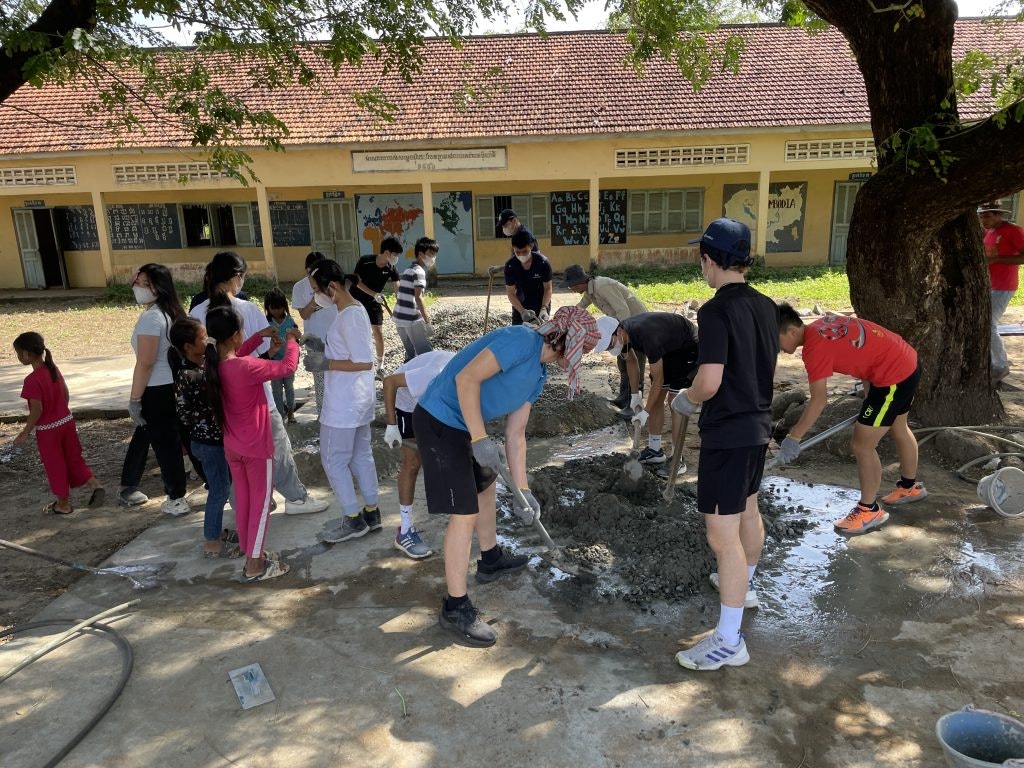
Students on the Cambodia: Village Service and Cultural Immersion program working at a local school.
Building Strong Connections with Students
These trips also provide space for teachers and students to build stronger relationships. During the school year, it can be difficult for teachers to find time to connect beyond assignments, grades, and routines.
On educational travel programs, Rebecca and Jason are reminded of the power of those connections: sharing laughter, inside jokes, and shared challenges that carry forward long after returning to “normal life.”
They’ve already begun planning for next year, hoping to offer two trips for students. In conversations with student leaders, they’ve discussed how smaller group sizes might improve organization and deepen the service experience.
Inviting students into the planning process has been key. Elevating student voice and building leadership has helped make this trip a lasting tradition at Dalton. Some students are even looking forward to their third Rustic Pathways trip.
“We are honored to be recognized by Rustic Pathways in this spotlight and hope other teachers and fellow educators take advantage of these incredible travel opportunities for their students!”
-Rebecca Laders and Jason Musselman
Teacher Travel Opportunities and Planning FAQ

Is it possible to travel for free as a teacher?
Yes, it is possible to travel for free as a teacher. Educators who accompany students on a Rustic Pathways school group travel program not only travel free with no registration costs, but also receive free room and board. You and your students can participate in multiple trips over the years.
Which countries offer free flights for teachers?
Countries listed in our school group travel programs offer teachers free flights when they travel with their students.
Is it cheaper to travel with a tour group?
Yes, it is generally cheaper to travel with a tour group. Group travel tours help reduce costs and save time on planning. Rustic Pathways school group travel programs include many on-the-ground services, so teachers don’t have to coordinate every detail themselves.
We recommend reviewing program-specific itineraries and included services to understand what is covered and how we support your group.
We’re also continually exploring ways to make travel more accessible for students and schools.
Are group travel tours worth it?
Yes, group travel tours are often worth it for both students and teachers. They offer a convenient, structured, and stress-reduced way to explore new places while focusing on learning and connection.
In our school group travel programs, teachers are not responsible for leading daily activities on their own. You and your students save time and effort in planning, while benefiting from in-country staff and support.
How do I plan an international trip with a group?
Request our free program catalog and contact Rustic Pathways today! Our team will help your school identify the best programs based on your goals, timeline, and student needs.
For more information about creating a customized trip for your students, visit Rustic Pathways Group Travel.
How to travel over the summer as a teacher?
Contact our team and volunteer to be a flight leader for your school’s group travel program. Travel alongside your students as they embark on their global adventure.
Educational Trips and Programs FAQ
What is an educational trip?
An educational trip is a journey taken by teachers and students to deepen learning outside traditional classroom settings. It often includes visits to museums, historical sites, service projects, study tours, and hands-on activities that connect directly to academic subjects.
These experiences provide real-world context, foster personal growth, and build skills such as independence, communication, and cultural awareness. Explore more study tours.
Which place is best for an educational trip?
The best destination for an educational trip depends on your students’ interests and your learning goals.
Whether it’s discovering the ancient ruins of Delphi, Greece or patrolling Costa Rica’s beaches to safeguard turtle nests, educational trips turn the world into a dynamic classroom.
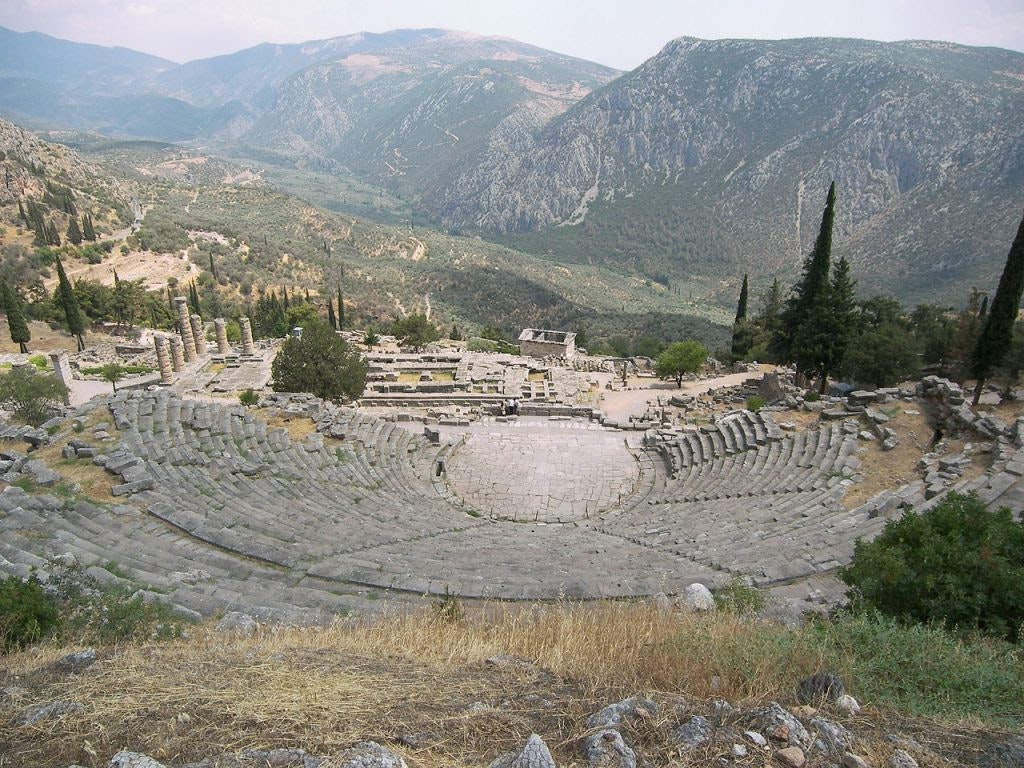
Ancient ruins in Greece
Are international school trips worth it?
International school trips can be highly valuable for all participants. For students, every corner of the globe offers opportunities for discovery, from environmental issues like climate change to insights into geography, culture, and history.
For teachers, international school trips provide powerful professional development. They support curriculum development, create space to connect with students outside the classroom, and build stronger teacher-student relationships based on shared experiences, trust, and mutual respect.