School Trips to Zion–Bryce

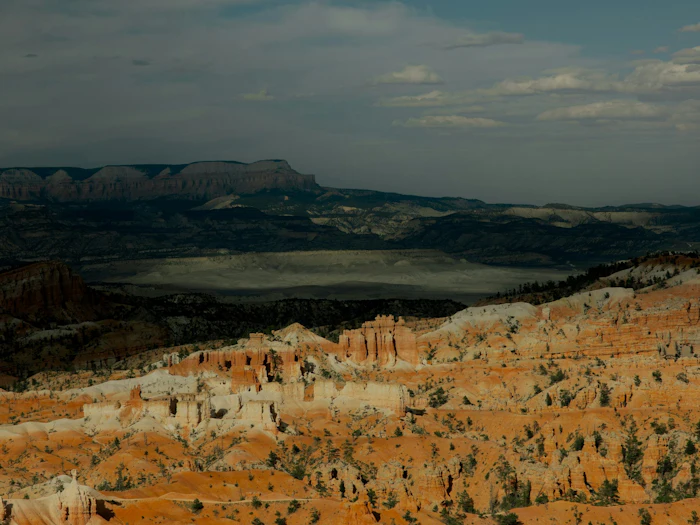
School trips to Zion and Bryce Canyon compare sandstone cliffs, limestone hoodoos, and the ways water shapes Southern Utah.
Choose seven days of field science at $2,720 per student, or eight days with high-elevation ecology and Pipe Spring history. The eight-day route is $3,255 per student; airfare is excluded.
In 2026, Rustic Pathways programs to Zion–Bryce priced from $2,720 to $3,255 per student, excluding airfare, on itineraries of 7 days.
No commitment, and no sales call unless you ask for one.
4.9on Trustpilot and Google
- $2,720–$3,255
- 7-day price per student
- 7 or 8 days
- two programs
- Custom school trips
- built around your dates, curriculum, and budget
- 1 free teacher spot
- for every 8 paying students
- 321 schools
- have partnered since 2012, each counted once

Compare school trips to Zion and Bryce Canyon
Choose the seven-day Utah Parks and Field Science route, or the eight-day Canyon Ecology and Paiute History route, which adds a day among Bryce’s high-elevation forests and a Pipe Spring history visit to the same core.
Compare the two programs
| Compare | Utah Parks and Field Science | Canyon Ecology and Paiute History |
|---|---|---|
| Length | 7 days | 8 days |
| Price per student | $2,720; excluding airfare | $3,255; excluding airfare |
| Best for | Canyon and hoodoo geology | Geology, high-elevation ecology, and Kaibab Paiute history |
| Overnight bases | Las Vegas 2 nights; Springdale 2; Bryce Canyon City 2 | Las Vegas 2 nights; Springdale 2; Bryce Canyon City 3 |
| Added field time | Two park field days plus short transfer-day rim visits | A full southern-plateau day and Pipe Spring museum/grounds visit |
| Walking | Moderate; lower-demand valley and rim choices | Moderate; extra high-elevation forest walk and longer return day |

Utah Parks and Field Science
Read Zion’s sandstone canyons and Bryce’s limestone hoodoos through guided walks and field notebooks.
Choose this program- Las Vegas1 night
- Springdale2 nights
- Bryce Canyon City2 nights
- Las Vegas1 night
Your 7-day itinerary
- Day 1
Arrive in Las Vegas
Meet the Program Leaders at Harry Reid International Airport (LAS) and settle into Las Vegas before the drive into Utah.
MorningArrival flights and airport welcome; the day follows the school’s flight schedule.AfternoonTransfer to the hotel and rest. No park visit depends on arrival time.EveningGroup dinner and a map introduction to the Colorado Plateau, its watersheds, and sedimentary rock layers.- Route
- LAS → Las Vegas
- Travel
- Airport transfer
- Overnight
- Las Vegas; individual student beds in shared rooms and private teacher rooms.
- Meals
- Meals and drinking water are included; arrival and departure meals follow flight times.
- Physical demand
- Low effort: airport walking and hotel arrival.
- Day 2
The Virgin River and Zion’s canyon floor
Travel to Springdale and enter Zion from the south for a bank-based river investigation.
MorningAllow 3–4 hours of road travel from Las Vegas plus comfort stops, and account for Utah being one hour ahead of Nevada.AfternoonCheck conditions at Zion Canyon Visitor Center, then walk a suitable section of the Pa’rus Trail. Compare visible sediment sizes and channel shape with published Virgin River flow data; remain on the trail and do not enter the water or collect specimens.EveningDinner in Springdale and field notes: how can a river cut a canyon through a desert?- Route
- Las Vegas → Springdale → Zion south entrance
- Travel
- Coach and paved trail
- Overnight
- Springdale; individual student beds in shared rooms and private teacher rooms.
- Meals
- Meals and drinking water are included; arrival and departure meals follow flight times.
- Physical demand
- Moderate effort: a short section of paved Pa’rus Trail, shortened for heat and group needs.
- Day 3
Sandstone, hanging gardens, and human history
Study Navajo Sandstone and groundwater-fed plants at Lower Emerald Pools, then connect water access with human history.
MorningBoard the public Zion Canyon shuttle at the visitor center and use the Lower Emerald Pools Trail from the Zion Lodge bridge. The route depends on open trails and the guide’s park authorization; larger commercial groups use separate guided units of no more than 15 on permitted trails.AfternoonVisit the seasonal Zion Human History Museum for exhibits on Native American heritage, settlement, and water. Compare desert scrub with riparian plants and watch from a distance for mule deer, bighorn sheep, and birds; ranger activities depend on the published schedule.EveningDinner and notebook comparison of erosion, groundwater seeps, and plant adaptations. Angels Landing chain hiking and Narrows water travel are excluded.- Route
- Springdale → Zion Canyon → Springdale
- Travel
- Public park shuttle and walking
- Overnight
- Springdale; individual student beds in shared rooms and private teacher rooms.
- Meals
- Meals and drinking water are included; arrival and departure meals follow flight times.
- Physical demand
- Moderate effort: Lower Emerald Pools is about 1.2 miles round trip, with slopes, wet surfaces, and drop-offs; use a shorter permitted valley walk if conditions require.
- Day 4
From Zion sandstone to Bryce hoodoos
Cross the Grand Staircase region and compare changes in rock layers and elevation before a short Bryce rim visit.
MorningThe coach uses the western route via I-15, UT-20, US-89, UT-12, and UT-63. Allow 3–4 hours with stops; vehicles above park size or weight limits cannot use any of the Zion–Mount Carmel Highway between Canyon Junction and the East Entrance.AfternoonReach Bryce Canyon City, then make short stops at Bryce Point, Inspiration Point, and Sunset Point as access allows. Sketch the Bryce Amphitheater and Claron Formation hoodoos, with time to adjust to the elevation.EveningDinner and weather-dependent sky observation. Join a public ranger astronomy program if its schedule and capacity fit; a private telescope session is not included.- Route
- Springdale → UT-20 → Bryce Canyon City
- Travel
- Coach and short rim walks
- Overnight
- Bryce Canyon City; individual student beds in shared rooms and private teacher rooms.
- Meals
- Meals and drinking water are included; arrival and departure meals follow flight times.
- Physical demand
- Moderate effort: short rim walks at roughly 8,000 feet; cold, lightning, or altitude symptoms can shorten the visit.
- Day 5
Queens Garden, Navajo Loop, and weathering
Compare freeze-thaw weathering and limestone dissolution with the river erosion recorded at Zion.
MorningChoose the walk before setting out: descend from Sunrise Point on Queens Garden Trail and return up the Two Bridges side of Navajo Loop, or use the level Sunrise–Sunset rim section when snow, ice, exertion, or support needs rule out a descent. The 2.9-mile combination usually takes 2–3 hours; allow extra group and climbing time. Guided below-rim walking requires hiking authorization, separate from a road-tour permit.AfternoonAfter lunch, use Bryce Canyon Visitor Center exhibits to compare the morning’s hoodoo sketches with evidence of deposition, uplift, and weathering. Assemble field notes from either walking route into a shared geological sequence.EveningA group dinner, with pizza, buffet, or western-style choices requested to suit dietary needs, followed by geology journals. No named restaurant is included before booking.- Route
- Bryce Canyon City → Bryce Amphitheater → Bryce Canyon City
- Travel
- Local transport and hiking
- Overnight
- Bryce Canyon City; individual student beds in shared rooms and private teacher rooms.
- Meals
- Meals and drinking water are included; arrival and departure meals follow flight times.
- Physical demand
- Moderate effort: 2.9 miles with about 625 feet of climbing at high elevation; a rim-only choice has lower demand.
- Day 6
Return to Las Vegas
Travel back in daylight with comfort stops and a gateway overnight before flying home.
MorningLeave the Bryce area for Las Vegas; allow 5–6 hours including comfort stops.AfternoonLunch en route and hotel check-in. Account for the clock moving back one hour on return to Nevada.EveningFarewell dinner and short student presentations: sediment, uplift, water, and ice, then canyon and hoodoo formation.- Route
- Bryce Canyon City → Las Vegas
- Travel
- Intercity coach
- Overnight
- Las Vegas; individual student beds in shared rooms and private teacher rooms.
- Meals
- Meals and drinking water are included; arrival and departure meals follow flight times.
- Physical demand
- Long travel day: extended coach time with walking and meal breaks.
- Day 7
Departure from Las Vegas
Breakfast, packing, and airport transfer follow the group’s flight time.
MorningBreakfast and check-out.AfternoonTransfer to Harry Reid International Airport; meals follow the departure schedule.EveningNo scheduled program after departure.- Route
- Las Vegas → LAS
- Travel
- Airport transfer
- Overnight
- No overnight: departure day.
- Meals
- Meals and drinking water are included; arrival and departure meals follow flight times.
- Physical demand
- Low effort: hotel check-out and airport walking.

Canyon Ecology and Paiute History
Compare both parks, add Bryce’s southern forests, and investigate water and Kaibab Paiute history at Pipe Spring.
Choose this program- Las Vegas1 night
- Springdale2 nights
- Bryce Canyon City3 nights
- Las Vegas1 night
Your 8-day itinerary
- Day 1
Las Vegas arrival and the drive toward Zion
Meet the Program Leaders at Harry Reid International Airport (LAS) and settle into Las Vegas before the drive into Utah.
MorningArrival flights and airport welcome; the day follows the school’s flight schedule.AfternoonTransfer to the hotel and rest. No park visit depends on arrival time.EveningGroup dinner and a map introduction to the Colorado Plateau, its watersheds, and sedimentary rock layers.- Route
- LAS → Las Vegas
- Travel
- Airport transfer
- Overnight
- Las Vegas; individual student beds in shared rooms and private teacher rooms.
- Meals
- Meals and drinking water are included; arrival and departure meals follow flight times.
- Physical demand
- Low effort: airport walking and hotel arrival.
- Day 2
Bank-based river study on the Virgin
Travel to Springdale and enter Zion from the south for a bank-based river investigation.
MorningAllow 3–4 hours of road travel from Las Vegas plus comfort stops, and account for Utah being one hour ahead of Nevada.AfternoonCheck conditions at Zion Canyon Visitor Center, then walk a suitable section of the Pa’rus Trail. Compare visible sediment sizes and channel shape with published Virgin River flow data; remain on the trail and do not enter the water or collect specimens.EveningDinner in Springdale and field notes: how can a river cut a canyon through a desert?- Route
- Las Vegas → Springdale → Zion south entrance
- Travel
- Coach and paved trail
- Overnight
- Springdale; individual student beds in shared rooms and private teacher rooms.
- Meals
- Meals and drinking water are included; arrival and departure meals follow flight times.
- Physical demand
- Moderate effort: a short section of paved Pa’rus Trail, shortened for heat and group needs.
- Day 3
Lower Emerald Pools: sandstone and groundwater
Study Navajo Sandstone and groundwater-fed plants at Lower Emerald Pools, then connect water access with human history.
MorningBoard the public Zion Canyon shuttle at the visitor center and use the Lower Emerald Pools Trail from the Zion Lodge bridge. The route depends on open trails and the guide’s park authorization; larger commercial groups use separate guided units of no more than 15 on permitted trails.AfternoonVisit the seasonal Zion Human History Museum for exhibits on Native American heritage, settlement, and water. Compare desert scrub with riparian plants and watch from a distance for mule deer, bighorn sheep, and birds; ranger activities depend on the published schedule.EveningDinner and notebook comparison of erosion, groundwater seeps, and plant adaptations. Angels Landing chain hiking and Narrows water travel are excluded.- Route
- Springdale → Zion Canyon → Springdale
- Travel
- Public park shuttle and walking
- Overnight
- Springdale; individual student beds in shared rooms and private teacher rooms.
- Meals
- Meals and drinking water are included; arrival and departure meals follow flight times.
- Physical demand
- Moderate effort: Lower Emerald Pools is about 1.2 miles round trip, with slopes, wet surfaces, and drop-offs; use a shorter permitted valley walk if conditions require.
- Day 4
Across the Grand Staircase to Bryce
Cross the Grand Staircase region and compare changes in rock layers and elevation before a short Bryce rim visit.
MorningThe coach uses the western route via I-15, UT-20, US-89, UT-12, and UT-63. Allow 3–4 hours with stops; vehicles above park size or weight limits cannot use any of the Zion–Mount Carmel Highway between Canyon Junction and the East Entrance.AfternoonReach Bryce Canyon City, then make short stops at Bryce Point, Inspiration Point, and Sunset Point as access allows. Sketch the Bryce Amphitheater and Claron Formation hoodoos, with time to adjust to the elevation.EveningDinner and weather-dependent sky observation. Join a public ranger astronomy program if its schedule and capacity fit; a private telescope session is not included.- Route
- Springdale → UT-20 → Bryce Canyon City
- Travel
- Coach and short rim walks
- Overnight
- Bryce Canyon City; individual student beds in shared rooms and private teacher rooms.
- Meals
- Meals and drinking water are included; arrival and departure meals follow flight times.
- Physical demand
- Moderate effort: short rim walks at roughly 8,000 feet; cold, lightning, or altitude symptoms can shorten the visit.
- Day 5
Freeze-thaw and dissolution on the Navajo Loop
Compare freeze-thaw weathering and limestone dissolution with the river erosion recorded at Zion.
MorningChoose the walk before setting out: descend from Sunrise Point on Queens Garden Trail and return up the Two Bridges side of Navajo Loop, or use the level Sunrise–Sunset rim section when snow, ice, exertion, or support needs rule out a descent. The 2.9-mile combination usually takes 2–3 hours; allow extra group and climbing time. Guided below-rim walking requires hiking authorization, separate from a road-tour permit.AfternoonAfter lunch, use Bryce Canyon Visitor Center exhibits to compare the morning’s hoodoo sketches with evidence of deposition, uplift, and weathering. Assemble field notes from either walking route into a shared geological sequence.EveningA group dinner, with pizza, buffet, or western-style choices requested to suit dietary needs, followed by geology journals. No named restaurant is included before booking.- Route
- Bryce Canyon City → Bryce Amphitheater → Bryce Canyon City
- Travel
- Local transport and hiking
- Overnight
- Bryce Canyon City; individual student beds in shared rooms and private teacher rooms.
- Meals
- Meals and drinking water are included; arrival and departure meals follow flight times.
- Physical demand
- Moderate effort: 2.9 miles with about 625 feet of climbing at high elevation; a rim-only choice has lower demand.
- Day 6
Rainbow Point and high-elevation ecosystems
Follow Bryce’s southern scenic drive to compare forests, rock arches, and meadow habitat with Zion’s warmer canyon floor.
MorningUse dedicated transport to Rainbow Point, beyond the public amphitheater shuttle route. Walk the one-mile Bristlecone Loop when snow-free, studying the upper forest and bristlecone pines on exposed limestone. Use waysides to investigate tree longevity.AfternoonStop at Natural Bridge, then use a vegetation map at a lower stop to compare the upper fir–spruce–aspen forest with the middle-elevation ponderosa pine zone. Return toward the visitor-center meadows for distant Utah prairie dog observations and discuss this federally threatened species’ recovery; no sightings, animal handling, or monitoring-project participation are promised.EveningCompare forest and desert adaptations in field notebooks, including winter climate, biodiversity, and water availability. Stargazing near lodging depends on weather.- Route
- Bryce Canyon City → Rainbow Point → Natural Bridge → Bryce Canyon City
- Travel
- Southern scenic drive and trail
- Overnight
- Bryce Canyon City; individual student beds in shared rooms and private teacher rooms.
- Meals
- Meals and drinking water are included; arrival and departure meals follow flight times.
- Physical demand
- Moderate effort: a one-mile trail near 9,100 feet, plus viewpoint walks; deep snow or altitude concerns require a lower-elevation substitute.
- Day 7
Pipe Spring: water and Southern Paiute history
Visit Pipe Spring National Monument in Arizona to study how water shaped Kaibab Paiute life and later Mormon settlement.
MorningLeave Bryce early via US-89, Kanab, and Fredonia; allow about 2–2.5 hours with a break. Spend about two hours in the Kaibab Paiute museum and monument grounds, including views of Winsor Castle and the garden.AfternoonUse exhibit evidence to draw a water-source and resource-use map. This teacher-led activity covers water harvesting and desert agriculture; a ranger-led school session or Indigenous-led workshop needs a separately confirmed host, date, and booking. Continue via Hurricane to Las Vegas, allowing 3–4 hours with stops.EveningGateway hotel and farewell dinner. Present a comparison of geology, ecology, and the decisions communities make about scarce water.- Route
- Bryce Canyon City → Pipe Spring → Las Vegas
- Travel
- Coach via Pipe Spring
- Overnight
- Las Vegas; individual student beds in shared rooms and private teacher rooms.
- Meals
- Meals and drinking water are included; arrival and departure meals follow flight times.
- Physical demand
- Long travel day: approximately 5–6.5 hours driving plus the two-hour museum/grounds visit; no same-day flight. Pipe Spring uses Arizona time year-round.
- Day 8
Packing and the Las Vegas transfer
Breakfast, packing, and airport transfer follow the group’s flight time.
MorningBreakfast and check-out.AfternoonTransfer to Harry Reid International Airport; meals follow the departure schedule.EveningNo scheduled program after departure.- Route
- Las Vegas → LAS
- Travel
- Airport transfer
- Overnight
- No overnight: departure day.
- Meals
- Meals and drinking water are included; arrival and departure meals follow flight times.
- Physical demand
- Low effort: hotel check-out and airport walking.
More Zion–Bryce learning options
Riverside Walk and Weeping Rock for small groups
Replace the main Zion field day with Riverside Walk from Temple of Sinawava and the groundwater-fed hanging garden at Weeping Rock. Allow a full day with shuttle queues; Request pricing for the change.
This requires a genuinely eligible Level III commercial group of no more than 15 people including leaders, and open trails. A larger booking cannot split to use these routes; check Weeping Rock access with the park because its published notices differ. Study the mouth of the Narrows from dry ground; river hiking is not included.
Checkerboard Mesa and the tunnel’s engineering
Replace the direct Bryce transfer with a full day on the Zion–Mount Carmel Highway, studying ancient dune cross-bedding at Checkerboard Mesa and the tunnel’s engineering. Continue to Bryce for the evening; move the rim visit to the next day.
Request pricing for compliant smaller vehicles and authorized roadside interpretation. Size and weight restrictions cover the whole Canyon Junction–East Entrance segment; a legacy tunnel escort does not permit a full-size coach to use it.
A shorter trip through St. George
A four-day route through St. George Regional Airport (SGU) can focus on Zion’s lower valley and Bryce’s rim, with two Springdale nights and one Bryce Canyon City night. Reserve the last day for the drive to St. George and flight check-in; Request pricing and confirm suitable flight times before shortening the trip.
A six-day Las Vegas version requires an early arrival and a same-day drive to Springdale. Three days leave too little field time for this two-park flight itinerary; for grades 5–6, agree shorter walks before selecting a condensed route.
Leave through Salt Lake City
Change the final gateway to Salt Lake City after Bryce and allow a long transfer plus an airport-area overnight. Request pricing for this one-way route; it replaces the Las Vegas return and changes flight and vehicle arrangements.
Rooming and park access
- Students
- Individual beds in shared, gender-separated rooms.
- Teachers
- Private rooms.
- Park access
- Zion commercial hiking groups of 16–50, including leaders, use Level II trails; splitting does not unlock Level III routes. Bryce requires separate authorization for guided hiking, and commercial coaches use approved permit parking. Confirm operator authorization, vehicle size, and the full group count before booking.
How much does a school trip to Zion–Bryce cost?
Price: $2,720 per student for seven-day Utah Parks and Field Science. Eight-day Canyon Ecology and Paiute History is $3,255 per student.
Program Tuition includes lodging, meals, ground transport, scheduled activities, guides, and entrance fees, with one complimentary teacher place per eight paying students.
$2,720–$3,255
per student for seven days, excluding airfare.
7 or 8 days
two programs with different field time.
$3,255
for the eight-day route and changed gateways.
| Included | What it covers |
|---|---|
| Travel | Every program night's lodging, all meals and drinking water, airport transfers, coach transport throughout, scheduled activities, guides, and entrance fees. |
| Staff and support | At least two trained Program Leaders, including both a male and a female leader, pre-departure planning, and school documentation. |
| Chaperones | One complimentary Program Tuition place per eight paying students. Chaperone airfare, travel insurance and medical insurance are separate. |
Not included: Airfare and travel to the departure airport, travel insurance, medical insurance, and personal spending.
| Effect | Factor |
|---|---|
| raises | Peak school-trip weeks and holiday dates |
| raises | Named-experience bookings and paid facilitation |
| raises | Upgraded lodging |
| raises | Extra chaperones beyond the complimentary place |
| lowers | More students in the group means fixed costs split more ways. |
| raises | Shorter trips cost more per day, since fixed costs spread across fewer days. |
Payment and cancellation
The school can pay as a group, or families can enroll individually. Monthly installments require enrollment more than 90 days before departure and a deposit at enrollment; Group Travel enrollment terms set payment and cancellation conditions.
Cancellations after the initial 24-hour window can forfeit the deposit and ticketed airfare; charges increase closer to departure. Check the applicable refund schedule before enrollment.
What do students learn on a Zion and Bryce school trip?
Students compare rock, water, and living systems through field notes, maps, and short evidence-based presentations.
Geology and field methods
Compare Navajo Sandstone in Zion with Bryce’s Claron Formation. Trace deposition, tectonic uplift, river erosion, frost wedging, and chemical weathering using sketches, visible sediment, and published flow records.
Ecology across elevations
Compare riparian plants and desert scrub with Bryce’s pine forests and meadow habitat. Investigate groundwater seeps, tree longevity, prairie dog recovery, and the effect of altitude on climate.
Water, people, and night skies
Use museum evidence to connect scarce water with settlement and Southern Paiute history. The eight-day route adds Pipe Spring; Bryce evenings support astronomy and discussion of dark-sky conservation when weather allows.

What makes Rustic Pathways educational trips different?
A Rustic Pathways school trip is one private group on your school's own dates, one bed per student, and an itinerary built to your curriculum.
- 01No mixed groups. Just your school
- 02One student, one bed
- 03Your school picks the dates
- 04Monthly payment plans available
- 05No tipping; scheduled activities and park entrance fees included
- 06Aligned to your curriculum
How is safety managed on a school trip to Zion–Bryce?
Program Leaders manage local operations and safety procedures alongside school chaperones. Across 13 years of published incident data from every Rustic Pathways program worldwide, 87% of reports were GREEN, the minor tier where the group stays intact.
What the team plans for
- Trail and altitude choices
Match each walk to students’ needs; Bryce’s elevation and the climb out of the amphitheater add effort.
- Public park shuttles
Agree meeting points and headcounts; seats, queue priority, and an exclusive bus are not reserved.
- Park vehicle rules
Use the UT-20 bypass for large coaches; Bryce requires approved commercial parking and appropriate hiking authorization.
- Heat, floods, and river water
Check NPS alerts and the watershed forecast before walking. Avoid Narrows water travel; do not drink river water or collect field specimens.
- Cold and lightning
Carry warm layers for Bryce, use open trails only, and leave exposed viewpoints when thunderstorms threaten.
Controls built into every trip
Written risk plan. A score above 5 requires new controls, reassessment, or cancellation.
Two-Deep Leadership. A single staff member is never alone with students, and at least two trained Program Leaders, including both a male and a female leader, support each School Group Travel trip.
Assessed activity vendors. Every named vendor is reviewed before use, every one to two years, and on site when high risk.
Medical readiness. Dr. William R. Smith has served as Medical Director since 2015.
Is Rustic Pathways the right partner for your school trip to Zion and Bryce?
Travel as one school group on your dates, with a geology or ecology focus. Students stay with their teachers and classmates; individual travelers can explore teen travel programs in the United States.
A strong fit
- You have 10 or more students and can travel for seven or eight days.
- Your class wants field observations and a comparison of the two parks.
- Your group can use park shuttles and manage the selected valley and rim walks.
Talk with us first
- Share mobility, medical, sensory, mental-health, dietary, or religious support needs early.
- Groups above 50 people including leaders need a different Zion access plan; smaller-group trail options have stricter limits.
- For grades 5–6 or shorter trips, agree walking distances, flight timing, and supervision before booking.
Probably not a fit
- You want to join another school’s group or book an individual place.
- You want Angels Landing chain hiking or a Narrows river hike as the program’s main activity.
Questions about school trips to Zion–Bryce
What should schools budget for Zion and Bryce Canyon?
Schools should budget at least $2,720 per student for Zion National Park and Bryce Canyon. This includes the park program, transfers from Las Vegas, accommodation, and gear. Airfare, travel insurance, and medical insurance are extra. Additional parks or days require a revised quote.
The eight-day Canyon Ecology and Paiute History route is $3,255 per student.
What's the best time to visit Zion and Bryce?
The best time to visit Zion and Bryce is May or September. Bryce is much higher and colder, so snow can affect spring and autumn trails; Zion’s summer heat can shorten walks.

Have a question before you ask for a proposal?
Patrick Ziemnik answers Zion–Bryce school-trip questions with the school travel team.
Send your group size, dates, trip length, and what you want students to learn. I’ll reply within 1 business day and send you options within 48 hours, and no sales call unless you ask for one.
Get your Zion–Bryce school trip proposal
Start your Zion–Bryce trip proposal with your travel dates, group size, and learning goals. Receive a reply within 1 business day and customized trip options within 48 hours.
Or reach a person directly: +1 440-975-9691 or groups@rusticpathways.com
Need approval or funding first?
Certificate of insurance, risk management plans, and fundraising templates for families, on request.



Destinations related to Zion–Bryce
United StatesBrowse all school trip destinations- Rustic Pathways has operated student travel since 1983. Recent industry recognition:
- 2026 GoAbroad Innovation AwardsInnovation in Adventure-Based Programming · Global Adventure Learning Model
- 2025 International Travel AwardsBest Group Tour Operator
- 2024 Skift IDEA AwardsIndustry Innovators – Tour Operators
- 4x WYSETC Best Youth Tour Operator2015, 2017, 2018, 2019
- BBB A+ RatingBetter Business Bureau profile
- NESA Affiliate OrganizationNear East South Asia Council of Overseas Schools
- 2025 World Travel AwardsUnited States’ Leading Tour Operator