School Trips to Yosemite

School trips to Yosemite connect granite cliffs and snowmelt with giant sequoia forests, Indigenous histories, and national-park conservation.
Choose seven-day Yosemite Field Science at $3,420 per student, excluding airfare, or the nine-day Valley and High Country route at $4,400 per student. Both use Fresno and a Yosemite Valley or El Portal base.
No commitment, and no sales call unless you ask for one.
4.9on Trustpilot and Google
- $3,420–$4,400
- per student across the two routes, excluding airfare
- 7 or 9 days
- two field-science routes
- Your school group
- your teachers and classmates
- 1 free teacher spot
- for every 8 paying students
- 321 schools
- have partnered since 2012, each counted once

Compare school trips to Yosemite
Choose the seven-day Yosemite Field Science route, or the nine-day Valley and High Country route, which is the same seven days plus Glacier Point and Tioga Road and runs July to September when those roads are open.
Compare the two routes
| Decision | Yosemite Field Science | Yosemite Valley and High Country |
|---|---|---|
| Duration | 7 days / 6 nights | 9 days / 8 nights |
| Price per student | $3,420, excluding airfare | $4,400, excluding airfare |
| Field nights | 4 in Yosemite Valley or El Portal | 6 in Yosemite Valley or El Portal |
| Main field sites | Yosemite Valley, Mariposa Grove, and Wawona | Same core sites, plus Glacier Point, Tenaya Lake, and Tuolumne Meadows |
| Best timing | May–June or September–October; grove shuttle required | July–September; Tioga and Glacier Point roads must be open |
| Walking and access | Short valley and grove walks; up to 2 miles at Mirror Lake | Same core walks, plus high-elevation fieldwork and eligible Glacier Point vehicles |
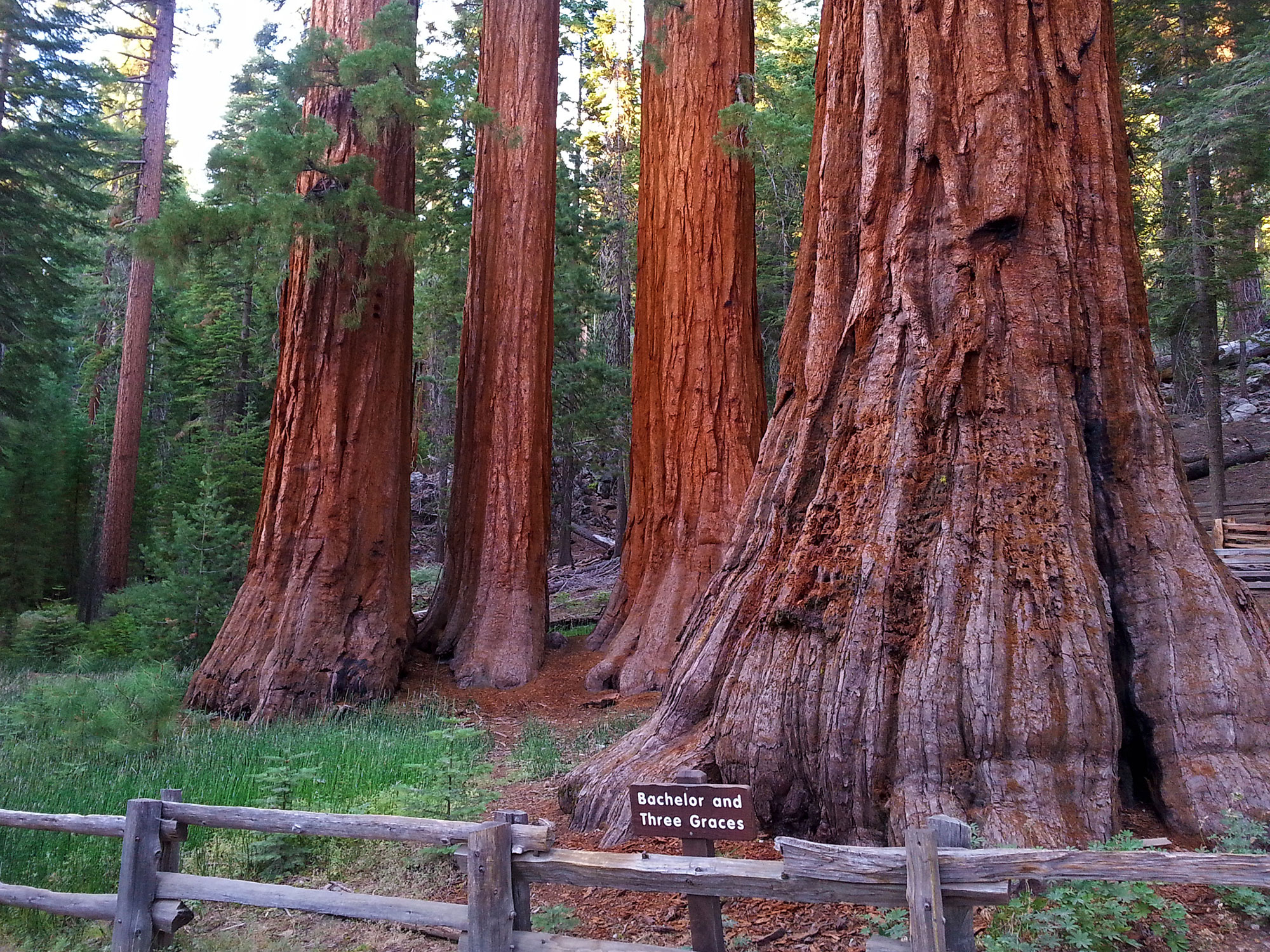
Yosemite Field Science
Seven days connect Yosemite Valley geology, Mariposa Grove fire ecology, and conservation history, with four nights in Yosemite Valley or El Portal and a Fresno night at each end.
Choose this program- Fresno1 night
- Yosemite Valley / El Portal4 nights
- Fresno1 night
Your 7-day itinerary
-
Day 1
Arrive in Fresno
Meet your Program Leaders in Fresno and map the Sierra Nevada watersheds you will study during the week.
MorningFly to Fresno Yosemite International Airport (FAT); arrival timing determines the first meal.AfternoonTransfer to the Fresno hotel, settle in, and rest.EveningGroup dinner and a short map activity connecting Yosemite’s elevations, rivers, and forests.- Route
- Fresno Yosemite International Airport to the Fresno hotel.
- Travel
- Airport transfer
- Overnight
- Fresno lodging; individual student beds and private teacher rooms.
- Meals
- Meals included according to flight timing, with drinking water.
- Physical demand
- Low effort; arrival and recovery day.
-
Day 2
Read a glacial valley
Use Tunnel View, Bridalveil Fall, and El Capitan Meadow to distinguish granite formation from the later work of glaciers.
MorningDrive from Fresno through the South Entrance on Highway 41, or the Arch Rock Entrance on Highway 140 when the lodging route calls for it. Allow 3–4 hours with stops and entrance queues.AfternoonSketch the U-shaped valley from Tunnel View, walk the 0.5-mile Bridalveil Fall trail, and observe El Capitan and Half Dome from established valley viewpoints.EveningSettle into the Yosemite Valley or El Portal base for four consecutive nights.- Route
- Fresno → Yosemite Valley viewpoints → Yosemite Valley or El Portal lodging.
- Travel
- Charter transport and short walks
- Overnight
- Yosemite Valley / El Portal lodging; individual student beds and private teacher rooms.
- Meals
- Breakfast, lunch, and dinner, with drinking water.
- Physical demand
- Moderate effort; short walks with wet surfaces near the falls. Observe granite joints, rockfall, and climbing activity from established viewpoints, away from cliff bases.
-
Day 3
Follow snowmelt through the valley
Compare waterfall runoff, river observations, and published water-quality data to trace Yosemite’s watershed.
MorningWalk the 1-mile Lower Yosemite Fall loop and visit the Yosemite Exploration Center, formerly the Valley Visitor Center, for geology and ecosystem exhibits.AfternoonFollow a short section of the Yosemite Valley Loop Trail and observe the Merced River from shore. Picnic at Sentinel Beach when space is available, then compare snowpack and runoff records with California’s downstream water demands.EveningLog any mule deer, birds, or black bears observed at a distance; discuss habitat protection and food storage.- Route
- Lower Yosemite Fall → Yosemite Exploration Center → valley trail and Sentinel Beach.
- Travel
- Local transport and walking
- Overnight
- Yosemite Valley / El Portal lodging; individual student beds and private teacher rooms.
- Meals
- Breakfast, lunch, and dinner, with drinking water.
- Physical demand
- Moderate effort; several short walks with planned breaks. No river entry or specimen collection; use supplied datasets for water chemistry. An optional ranger lesson requires grade, capacity, and date confirmation from the NPS Education Office; otherwise, the investigation runs independently.
-
Day 4
Giant sequoias, fire, and Wawona
Study giant sequoia adaptations in Mariposa Grove, then compare forest, meadow, and river evidence in Wawona.
MorningTake the seasonal shuttle to Mariposa Grove of Giant Sequoias and walk the 0.3-mile Big Trees Loop. Observe Sequoiadendron giganteum bark, fire scars, and canopy structure; compare fire suppression, prescribed fire, and drought using field notes.AfternoonVisit Yosemite History Center, formerly Pioneer Yosemite History Center, to examine timber buildings and transport history. Observe the South Fork of the Merced River from the covered bridge, then take a short meadow-edge walk at Wawona Meadow and compare supplied soil-moisture and pH data.EveningReturn to the same base for dinner and a field-journal discussion: when can fire help a forest?- Route
- Valley or El Portal → Mariposa Grove → Wawona → same lodging base.
- Travel
- Charter transport, grove shuttle, and short walks
- Overnight
- Yosemite Valley / El Portal lodging; individual student beds and private teacher rooms.
- Meals
- Breakfast, lunch, and dinner, with drinking water.
- Physical demand
- Moderate effort; allow a full day and 3–4 hours total road travel from El Portal, plus shuttle waiting. This day requires the grove shuttle; it does not include the longer Grizzly Giant or full Wawona Meadow loops.
-
Day 5
Conservation and living cultural history
Compare Yosemite’s conservation milestones with the histories of people who have lived in the valley.
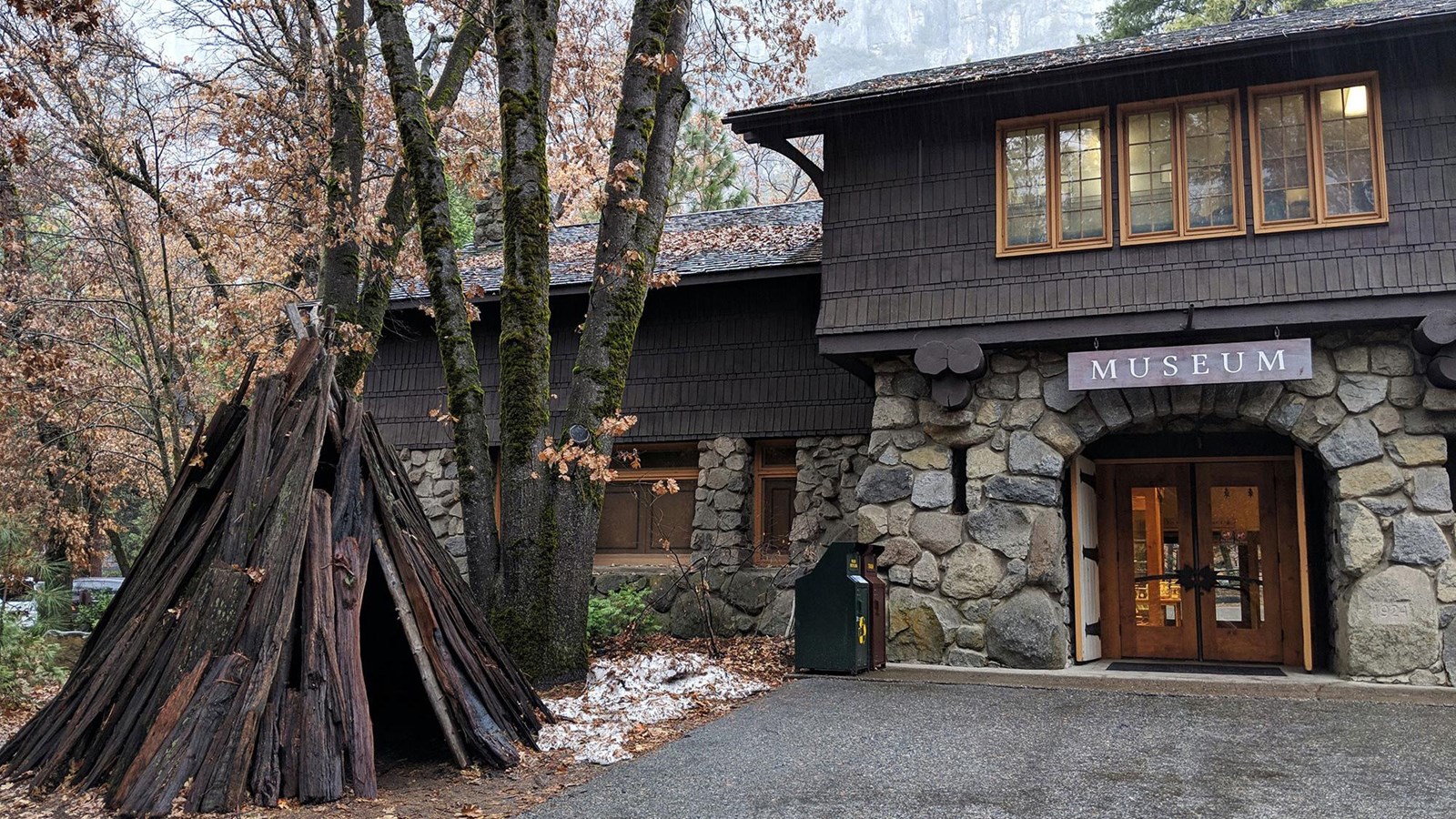
MorningVisit Yosemite Museum and the reconstructed Indian Village of Ahwahnee to study attributed Ahwahneechee, Miwok, and Paiute histories. Use the museum’s sequoia cross-section for tree-ring interpretation and supplied measurements for carbon-storage calculations.AfternoonStudy The Ahwahnee hotel’s exterior architecture and compare the visitor impacts of lodges and campgrounds. Its public history tour, limited to 30 participants, can replace the exterior study if space is confirmed. In Yosemite Village, use short source extracts to connect Abraham Lincoln’s 1864 Yosemite Grant, John Muir and Theodore Roosevelt’s 1903 visit, and the National Park Service’s creation in 1916.EveningKeep a sky journal with Program Leaders if skies are clear, then prepare an evidence-based conservation argument.- Route
- Yosemite Village museum district → The Ahwahnee exterior → lodging.
- Travel
- Local transport and walking
- Overnight
- Yosemite Valley / El Portal lodging; individual student beds and private teacher rooms.
- Meals
- Breakfast, lunch, and dinner, with drinking water.
- Physical demand
- Low effort; museum and developed-area walks. Ranger talks and cultural demonstrations depend on the published schedule; no private cultural program or campfire is promised.
-
Day 6
Mirror Lake and the return to Fresno
Use Mirror Lake’s seasonal water and meadow succession to finish the field investigation before returning to Fresno.
MorningUse the valley shuttle to reach Mirror Lake Trailhead, then walk the 2-mile out-and-back. Compare river deposition with glacial moraines and erratics using maps and observations, then present your granite → glaciers → water → forests explanation.AfternoonAfter lunch, transfer to Fresno with 3–4 hours allowed for roads, traffic, and loading.EveningClosing dinner in Fresno; the final night keeps the mountain transfer separate from departure-day flights.- Route
- Curry Village and Mirror Lake → Fresno hotel.
- Travel
- Charter road transfer and walking
- Overnight
- Fresno lodging; individual student beds and private teacher rooms.
- Meals
- Breakfast, lunch, and dinner, with drinking water.
- Physical demand
- Moderate effort; 2-mile out-and-back with about 100 feet of gain, starting at shuttle stop 17. If the shuttle is unavailable, allow for the extra approach from Curry Village or revise the walk. Mirror Lake may be dry in late summer.
-
Day 7
Depart from Fresno
Transfer to Fresno Yosemite International Airport for the journey home.
MorningBreakfast, packing, and check-out.AfternoonAirport transfer and departure; meals follow the booked flight schedule.EveningNo group program after departure.- Route
- Fresno hotel → Fresno Yosemite International Airport.
- Travel
- Airport transfer
- Overnight
- None; departure day.
- Meals
- Meals included according to flight timing, with drinking water.
- Physical demand
- Low effort; airport travel.
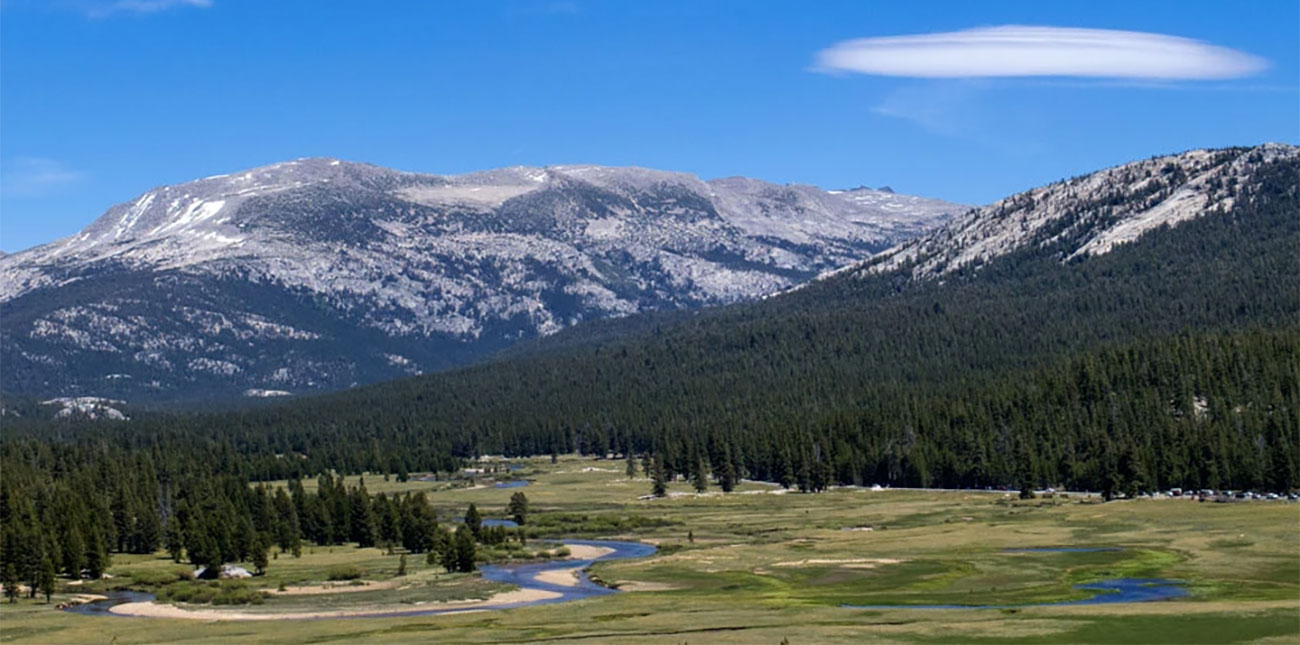
Yosemite Valley and High Country
Nine days include the valley and southern Yosemite fieldwork, plus separate days for Glacier Point and the Tenaya Lake–Tuolumne Meadows high country. Six field nights keep the same Yosemite Valley or El Portal base.
Choose this program- Fresno1 night
- Yosemite Valley / El Portal6 nights
- Fresno1 night
Your 9-day itinerary
-
Day 1
Fresno arrival and the watershed map
Meet your Program Leaders in Fresno and map the Sierra Nevada watersheds you will study during the week.
MorningFly to Fresno Yosemite International Airport (FAT); arrival timing determines the first meal.AfternoonTransfer to the Fresno hotel, settle in, and rest.EveningGroup dinner and a short map activity connecting Yosemite’s elevations, rivers, and forests.- Route
- Fresno Yosemite International Airport to the Fresno hotel.
- Travel
- Airport transfer
- Overnight
- Fresno lodging; individual student beds and private teacher rooms.
- Meals
- Meals included according to flight timing, with drinking water.
- Physical demand
- Low effort; arrival and recovery day.
-
Day 2
Tunnel View, Bridalveil, and El Capitan Meadow
Use Tunnel View, Bridalveil Fall, and El Capitan Meadow to distinguish granite formation from the later work of glaciers.
MorningDrive from Fresno through the South Entrance on Highway 41, or the Arch Rock Entrance on Highway 140 when the lodging route calls for it. Allow 3–4 hours with stops and entrance queues.AfternoonSketch the U-shaped valley from Tunnel View, walk the 0.5-mile Bridalveil Fall trail, and observe El Capitan and Half Dome from established valley viewpoints.EveningSettle into the Yosemite Valley or El Portal base for six consecutive nights.- Route
- Fresno → Yosemite Valley viewpoints → Yosemite Valley or El Portal lodging.
- Travel
- Charter transport and short walks
- Overnight
- Yosemite Valley / El Portal lodging; individual student beds and private teacher rooms.
- Meals
- Breakfast, lunch, and dinner, with drinking water.
- Physical demand
- Moderate effort; short walks with wet surfaces near the falls. Observe granite joints, rockfall, and climbing activity from established viewpoints, away from cliff bases.
-
Day 3
Snowmelt, runoff, and water-quality data
Compare waterfall runoff, river observations, and published water-quality data to trace Yosemite’s watershed.
MorningWalk the 1-mile Lower Yosemite Fall loop and visit the Yosemite Exploration Center, formerly the Valley Visitor Center, for geology and ecosystem exhibits.AfternoonFollow a short section of the Yosemite Valley Loop Trail and observe the Merced River from shore. Picnic at Sentinel Beach when space is available, then compare snowpack and runoff records with California’s downstream water demands.EveningLog any mule deer, birds, or black bears observed at a distance; discuss habitat protection and food storage.- Route
- Lower Yosemite Fall → Yosemite Exploration Center → valley trail and Sentinel Beach.
- Travel
- Local transport and walking
- Overnight
- Yosemite Valley / El Portal lodging; individual student beds and private teacher rooms.
- Meals
- Breakfast, lunch, and dinner, with drinking water.
- Physical demand
- Moderate effort; several short walks with planned breaks. No river entry or specimen collection; use supplied datasets for water chemistry. An optional ranger lesson requires grade, capacity, and date confirmation from the NPS Education Office; otherwise, the investigation runs independently.
-
Day 4
Mariposa Grove and the Wawona ecotones
Study giant sequoia adaptations in Mariposa Grove, then compare forest, meadow, and river evidence in Wawona.
MorningTake the seasonal shuttle to Mariposa Grove of Giant Sequoias and walk the 0.3-mile Big Trees Loop. Observe Sequoiadendron giganteum bark, fire scars, and canopy structure; compare fire suppression, prescribed fire, and drought using field notes.AfternoonVisit Yosemite History Center, formerly Pioneer Yosemite History Center, to examine timber buildings and transport history. Observe the South Fork of the Merced River from the covered bridge, then take a short meadow-edge walk at Wawona Meadow and compare supplied soil-moisture and pH data.EveningReturn to the same base for dinner and a field-journal discussion: when can fire help a forest?- Route
- Valley or El Portal → Mariposa Grove → Wawona → same lodging base.
- Travel
- Charter transport, grove shuttle, and short walks
- Overnight
- Yosemite Valley / El Portal lodging; individual student beds and private teacher rooms.
- Meals
- Breakfast, lunch, and dinner, with drinking water.
- Physical demand
- Moderate effort; allow a full day and 3–4 hours total road travel from El Portal, plus shuttle waiting. This day requires the grove shuttle; it does not include the longer Grizzly Giant or full Wawona Meadow loops.
-
Day 5
Conservation milestones and the people of the valley
Compare Yosemite’s conservation milestones with the histories of people who have lived in the valley.
MorningVisit Yosemite Museum and the reconstructed Indian Village of Ahwahnee to study attributed Ahwahneechee, Miwok, and Paiute histories. Use the museum’s sequoia cross-section for tree-ring interpretation and supplied measurements for carbon-storage calculations.AfternoonStudy The Ahwahnee hotel’s exterior architecture and compare the visitor impacts of lodges and campgrounds. Its public history tour, limited to 30 participants, can replace the exterior study if space is confirmed. In Yosemite Village, use short source extracts to connect Abraham Lincoln’s 1864 Yosemite Grant, John Muir and Theodore Roosevelt’s 1903 visit, and the National Park Service’s creation in 1916.EveningKeep a sky journal with Program Leaders if skies are clear, then prepare an evidence-based conservation argument.- Route
- Yosemite Village museum district → The Ahwahnee exterior → lodging.
- Travel
- Local transport and walking
- Overnight
- Yosemite Valley / El Portal lodging; individual student beds and private teacher rooms.
- Meals
- Breakfast, lunch, and dinner, with drinking water.
- Physical demand
- Low effort; museum and developed-area walks. Ranger talks and cultural demonstrations depend on the published schedule; no private cultural program or campfire is promised.
-
Day 6
Glacier Point and waterfall geometry
Compare the valley-floor sketches with elevated views of Half Dome and the Merced River canyon.
MorningTravel to Glacier Point in vehicles permitted on Glacier Point Road. Use the short paved overlook walk to map the relationship between granite domes and glacial valleys.AfternoonStop at Washburn Point for views of Vernal Fall and Nevada Fall, then use a map-and-sketch exercise to compare hanging valleys, uplift, and erosion.EveningReturn to the same lodging base before dark.- Route
- Yosemite Valley or El Portal → Glacier Point and Washburn Point → same base.
- Travel
- Eligible small vehicles and short walks
- Overnight
- Yosemite Valley / El Portal lodging; individual student beds and private teacher rooms.
- Meals
- Breakfast, lunch, and dinner, with drinking water.
- Physical demand
- Low walking effort with high-elevation exposure; allow 3–4 hours total road travel from El Portal, including loading and stops. Buses longer than 30 feet or designed for 26 or more passengers cannot travel beyond Badger Pass; matched vehicles must be arranged before booking.
-
Day 7
Tenaya Lake and Tuolumne Meadows
Compare a high-country lake with a subalpine meadow along Tioga Road.
MorningTravel to Tenaya Lake for shore-based freshwater observations, a lake-basin sketch, and lunch.AfternoonContinue to Tuolumne Meadows for a short walk on established paths, comparing meadow water movement, plant cover, and bird observations with the valley dataset.EveningReturn to the valley or El Portal for dinner and a comparison of low- and high-elevation ecosystems.- Route
- Yosemite Valley or El Portal → Tenaya Lake → Tuolumne Meadows → same base.
- Travel
- Charter transport and short field walks
- Overnight
- Yosemite Valley / El Portal lodging; individual student beds and private teacher rooms.
- Meals
- Breakfast, lunch, and dinner, with drinking water.
- Physical demand
- Moderate effort at roughly 8,000–8,600 feet; allow 4–5 hours total road travel from El Portal with loading and stops. Tioga Road must be open; the route does not cross Tioga Pass or include swimming.
-
Day 8
Mirror Lake succession, then back to Fresno
Use Mirror Lake’s seasonal water and meadow succession to finish the field investigation before returning to Fresno.
MorningUse the valley shuttle to reach Mirror Lake Trailhead, then walk the 2-mile out-and-back. Compare river deposition with glacial moraines and erratics using maps and observations, then present your granite → glaciers → water → forests explanation.AfternoonAfter lunch, transfer to Fresno with 3–4 hours allowed for roads, traffic, and loading.EveningClosing dinner in Fresno; the final night keeps the mountain transfer separate from departure-day flights.- Route
- Curry Village and Mirror Lake → Fresno hotel.
- Travel
- Charter road transfer and walking
- Overnight
- Fresno lodging; individual student beds and private teacher rooms.
- Meals
- Breakfast, lunch, and dinner, with drinking water.
- Physical demand
- Moderate effort; 2-mile out-and-back with about 100 feet of gain, starting at shuttle stop 17. If the shuttle is unavailable, allow for the extra approach from Curry Village or revise the walk. Mirror Lake may be dry in late summer.
-
Day 9
Fly home from Fresno Yosemite
Transfer to Fresno Yosemite International Airport for the journey home.
MorningBreakfast, packing, and check-out.AfternoonAirport transfer and departure; meals follow the booked flight schedule.EveningNo group program after departure.- Route
- Fresno hotel → Fresno Yosemite International Airport.
- Travel
- Airport transfer
- Overnight
- None; departure day.
- Meals
- Meals included according to flight timing, with drinking water.
- Physical demand
- Low effort; airport travel.
Rooming and gateway alternatives
- Rooming
- Students share gender-separated rooms with individual beds; teachers have private rooms.
- Other gateways and bases
- Sacramento International Airport (SMF) can suit a Groveland approach, with about four hours from Sacramento to Yosemite Valley before stops. Mariposa and Groveland are about 75 minutes from the valley; Oakhurst is about 90 minutes via Highway 41. Changing gateway or base requires a revised route and price.
How much does a school trip to Yosemite cost?
Yosemite Field Science costs $3,420 per student for seven days, excluding airfare. The nine-day Valley and High Country route is $4,400 per student, reflecting its additional field nights and Glacier Point transport.
$3,420
7-day Field Science price per student, excluding airfare.
$4,400
9-day Valley and High Country price, excluding airfare.
7 or 9 days
A Fresno night at each end separates flights from mountain transfers.
| Included | What it covers |
|---|---|
| Travel | Every program night’s lodging, scheduled meals and drinking water, airport transfers, itinerary ground transport, listed field activities, guides, and entrance fees. |
| Staff and support | At least two trained Program Leaders, including both a male and a female leader, pre-departure planning, and school documentation. |
| Chaperones | One complimentary Program Tuition place per eight paying students. Chaperone airfare, travel insurance and medical insurance are separate. |
Not included: Airfare, home-to-airport travel, travel insurance, medical insurance, and personal spending.
| Effect | Factor |
|---|---|
| raises | Peak school-trip weeks and holiday dates |
| raises | Named-experience bookings and paid facilitation |
| raises | Upgraded lodging |
| raises | Extra chaperones beyond the complimentary place |
| lowers | More students in the group means fixed costs split more ways. |
| raises | Shorter trips cost more per day, since fixed costs spread across fewer days. |
Payment and cancellation
Schools can pay as a group, or eligible families can enroll with monthly installments by bank transfer. Monthly plans require enrollment more than 90 days before departure; the deposit and payment schedule appear in the Group Travel enrollment terms.
Cancellation penalties increase as departure approaches and can include deposits, ticketed airfare, and the full program cost. Read the applicable Group Travel cancellation schedule before enrollment.
What do students learn on a Yosemite school trip?
Students connect field observations with maps, published datasets, and historical sources, then explain how natural processes and human decisions shape Yosemite.
Granite, glaciers, and water
Map granite joints and glacial landforms, compare waterfall and river observations, and use snowpack and water-quality records to investigate the watershed.
Forests and field methods
Observe sequoia and meadow habitats, interpret tree rings, and use supplied measurements to test carbon-storage and soil-moisture questions without collecting specimens.
Conservation and cultural history
Compare Indigenous histories, the Yosemite Grant, and later park management. Use evidence from museums, historic buildings, and visitor-use observations to support a conservation argument.

What makes Rustic Pathways educational trips different?
A Rustic Pathways school trip is one private group on your school's own dates, one bed per student, and an itinerary built to your curriculum.
- 01No mixed groups. Just your school
- 02One student, one bed
- 03Your school picks the dates
- 04Monthly payment plans available
- 05No tipping; listed activities are included in Program Tuition
- 06Aligned to your curriculum
How is safety managed on a school trip to Yosemite?
Program Leaders manage local operations and safety procedures alongside school chaperones. Across 13 years of published incident data from Rustic Pathways programs worldwide, about 87% of reports were GREEN, the minor tier where the group stays intact.
What the team plans for
Trail sections
Short established trails with agreed distances and turnaround points; no summit climb. Discuss access needs before choosing the route.
Altitude and cold
The valley is near 4,000 feet; the expanded route reaches roughly 8,000–8,600 feet. Plan layers, hydration, and altitude suitability.
Wildlife distance
Bear-aware food storage and set observation distances, with the park's own rules enforced
Seasonal access
Road, shuttle, and trail openings control access. Snow, heat, or smoke may require a route change; high-country access cannot be guaranteed.
Long road transfers
Multi-hour coach legs from the gateway into the valley on mountain road
Controls built into every trip
Written risk plan. A score above 5 requires new controls, reassessment, or cancellation.
Two-Deep Leadership. A single staff member is never alone with students, and at least two trained Program Leaders, including both a male and a female leader, support each School Group Travel trip.
Assessed activity vendors. Every named vendor is reviewed before use, every one to two years, and on site when high risk.
Medical readiness. Dr. William R. Smith oversees medical protocols and emergency response planning as Medical Director.
Is Rustic Pathways the right partner for your school trip to Yosemite?
Yosemite programs suit one school group traveling with its teachers and classmates, with fieldwork connected to the school’s curriculum.
Students traveling individually can choose teen travel programs in the United States.
A strong fit
- Your group has 10 or more students and seven or nine days.
- You want geology, ecology, and conservation fieldwork.
- Short walks and mountain-road travel suit your group.
Talk with us first
- Discuss mobility, medical, sensory, mental-health, dietary, or religious needs early.
- Guided non-wilderness hikes allow at most 30 people overall in parties of 15 or fewer, including guides, with one guide per 14 clients. Larger schools need a route and authorized-provider review.
- The high-country route needs open roads, suitable vehicles, and an altitude plan.
Probably not a fit
- You are seeking an open-enrollment trip for one student.
- You want a Half Dome summit climb or a mixed-school departure.
Questions about school trips to Yosemite
What should schools budget for Yosemite?
Schools should budget $3,420 per student for seven-day Yosemite Field Science. Airfare, travel insurance, and medical insurance are extra.
The nine-day high-country route needs a separate quote for two additional field nights and suitable Glacier Point transport. Changing the gateway, lodging base, or activities also requires a revised quote.
When is the best time for a school trip to Yosemite?
The best time for a school trip to Yosemite is May–June for valley and waterfall studies; September–October is another window for the seven-day route while the Mariposa Grove shuttle operates.
Choose July–September for the nine-day high-country route, subject to Tioga and Glacier Point road openings. Heat, smoke, or early snow can change access; waterfalls may be low or dry later in the season.

Have a question before you ask for a proposal?
Patrick Ziemnik answers Yosemite school-trip questions with the school travel team.
Send your group size, dates, trip length, and what you want students to learn. I’ll reply within 1 business day and send you options within 48 hours, and no sales call unless you ask for one.
Plan your Yosemite school trip proposal
Start your Yosemite trip proposal with your travel dates, group size, and learning goals. Receive a reply within 1 business day and customized trip options within 48 hours.
Or reach a person directly: +1 440-975-9691 or groups@rusticpathways.com
Need approval or funding first?
Certificate of insurance, risk management plans, and fundraising templates for families, on request.
Destinations related to Yosemite
- Alaska
- Grand Canyon
- Los Angeles–Southern California
- Montana–Glacier
- Monterey
- Sacramento
- San Diego
- San Francisco
- South Dakota
- Yellowstone
- Zion–Bryce
- Rustic Pathways has operated student travel since 1983. Recent industry recognition:
- 2026 GoAbroad Innovation AwardsInnovation in Adventure-Based Programming · Global Adventure Learning Model
- 2025 International Travel AwardsBest Group Tour Operator
- 2024 Skift IDEA AwardsIndustry Innovators – Tour Operators
- 4x WYSETC Best Youth Tour Operator2015, 2017, 2018, 2019
- BBB A+ RatingBetter Business Bureau profile
- NESA Affiliate OrganizationNear East South Asia Council of Overseas Schools
- 2025 World Travel AwardsUnited States’ Leading Tour Operator