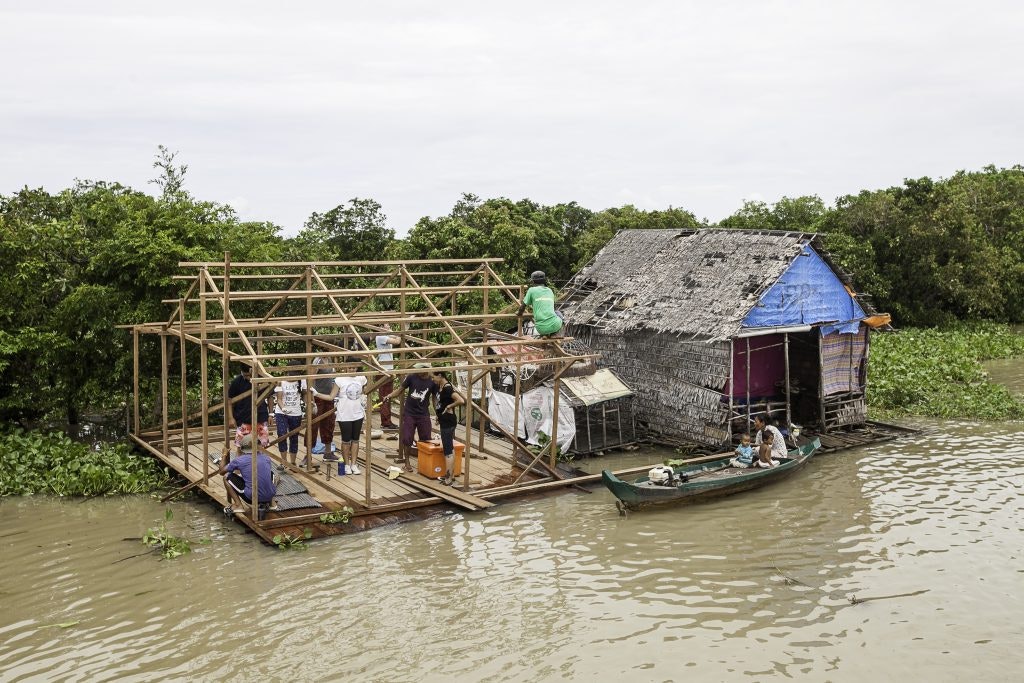
What is Rustic Pathways’ homestay vetting process?
Rustic Pathways’ homestay vetting process is the five-stage review a host family goes through before, during and after hosting Rustic Pathways students. Its core is a 26-point homestay assessment of the family’s home. Rustic Pathways has served 155,829 individual alumni since 1983 and operates Student Travel programs in 38 countries.
- Community selection. Local leaders confirm the community wants to host students.
- Home assessment. Staff visit each candidate home and complete the 26-point assessment.
- Host briefing. The family learns the house rules, emergency contacts and each student’s health needs.
- Supervision during the stay. The briefed family supervises under Rustic Pathways policies, and students carry an emergency card.
- Review after the program. Student and family feedback, plus any incident report, decide whether the partnership continues.
Rustic Pathways places students in homestays on selected Rustic Pathways teen travel programs, where daily life with the family is part of the learning.
Vetting the home first is an application of Safety as Architecture: safety is built in before a program begins. That work starts with the community, before any family is considered.

How does Rustic Pathways choose a host community?
Rustic Pathways chooses a host community before it chooses a host family. Staff research each destination and meet community leaders to confirm real interest in hosting students.
Only then are individual families considered. Each candidate home gets a site visit and the 26-point assessment, and every adult in the household passes the national police check of their country, such as the Police Clearance Certificate issued by the Royal Thai Police in Thailand or the official criminal background check (범죄·수사경력 회보서) in South Korea.
What does the 26-point homestay assessment check?
Rustic Pathways’ 26-point homestay assessment checks five categories of a host family’s home: property, security, safety systems, sanitation and policy compliance.
| Category | What It Covers | Sample Checkpoints |
|---|---|---|
| Property | Physical environment and emergency access | Insurance verification, emergency response distances, property layout |
| Security | Student sleeping and privacy areas | Locking doors, bed arrangements, bathroom privacy |
| Safety Systems | Fire and gas safety | Smoke detectors, CO detectors, fire extinguishers, balcony safety |
| Sanitation | Environment and food safety | Property fencing, security patrol, clean drinking water, food hygiene |
| Policy Compliance | Understanding of Rustic Pathways expectations | Supervision rules, visitor policies, curfew, emergency contact procedures |
Rustic Pathways ends the homestay partnership when the assessment is not completed or identified concerns are not addressed.
The assessment sits inside the three-tier risk categorization Rustic Pathways applies to every vendor.
Dave Dennis, Vice President of Safety & Risk Management at Rustic Pathways, says the assessment exists “to make sure we’re delivering greatness to our students and families.”
A home that passes the assessment must still meet six household standards.
What must a host family home provide?
A Rustic Pathways host family home must give each student a private sleeping area, an individual bed, clean water and a clean toilet with a handwashing station.
- A private area for students, separated from the rest of the home by a door or divider
- An individual bed for every student
- A clean toilet and handwashing station in or near the student area
- Filtered or bottled water for drinking and cooking
- Home-cooked meals that let students experience daily life in the country
- No signs of animal or insect infestation, and basic cleanliness throughout
Once a home meets these standards, the family is briefed before students arrive.

How are host families briefed before students arrive?
Before students arrive, each host family gets a briefing on emergency contacts, each student’s allergies and health needs, and the household rules students follow.
Food allergies get the most detail, following how Rustic Pathways manages food allergies on programs. The family agrees to the visitor, curfew and supervision rules in the assessment’s policy-compliance section. Students make a matching set of commitments before they move in.
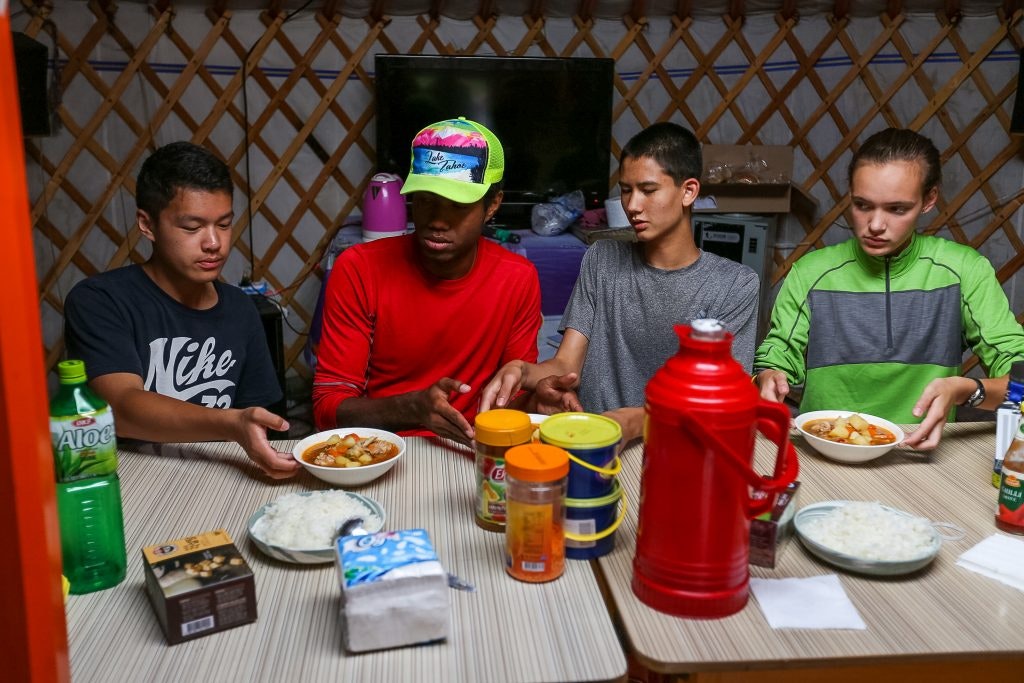
What do students agree to during a homestay?
Students in a Rustic Pathways homestay agree to six rules before they move in.
- Follow the program curfew
- Ask the host family before inviting a visitor; no visitor stays overnight
- Carry the emergency card at all times
- Report any illness right away
- Report any concern to a Program Leader immediately
- Follow the family’s own household rules
Students never need to bring money to give away because Rustic Pathways pays tips, host-family and community contributions, and site donations on their behalf.
These sit alongside the student conduct rules that apply on every Rustic Pathways program.
Host families are co-educators under the Shared Humanity Model, so respect for the household is part of the learning. Once students move in, the briefed host family takes over day-to-day supervision.

Who supervises students during a homestay?
During a homestay, briefed host families supervise students under Rustic Pathways policies. Rustic Pathways calls this indirect supervision, one of its three supervision tiers.
Every student receives an emergency card at Day One Orientation naming in-country staff contacts and local emergency numbers, with a help request translated into the local language. Each student receives an individual one-to-one check-in within 24 hours of Day One Orientation. At night, students sleep in the host family’s home, and Program Leaders stay in the homestay too.
A student or family can report a safeguarding concern at any point in the stay.
What happens when a student reports a concern?
When a student reports a concern about a host family, Rustic Pathways opens an incident report and follows up. Every incident is classified GREEN, YELLOW, RED, or BLACK under written definitions, and parent notification is recorded on the incident record.
Across incidents that require parent notification, Rustic Pathways reports an average of 27 minutes from when an incident is assessed to when parents are notified. It is an average, and individual cases can take longer. Serious cases move into the 3-Tier Global Crisis Response Model. Each program then closes with a review of the family and the stay.
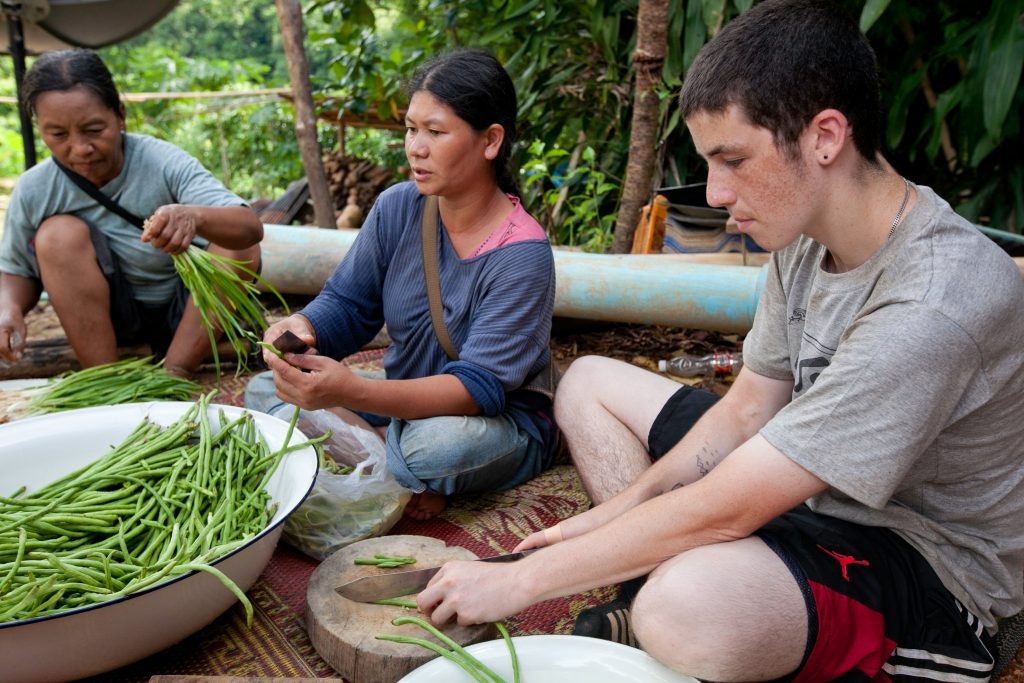
How are host families reviewed after a program?
After each Rustic Pathways program, students and host families give feedback, and any comfort or safety concern triggers an incident report. Every program closes with a staff safety debrief, and its findings feed the next season’s risk plan. Each year Rustic Pathways recertifies all of its 20 to 30 host homes against the 26-point assessment. Parents comparing providers can test any homestay program against the same stages.
What should parents ask any homestay program?
Parents can vet any homestay program with five questions before booking.
- Which adults in the household are background-checked, and what check is used abroad?
- Does program staff visit and inspect the home before a student is placed?
- What written standard must the home meet, and how many points does it cover?
- Who supervises the student at night, and who answers an emergency call?
- How fast are parents notified when a student reports a concern?
These extend the questions to ask before booking any teen travel program.
Every Rustic Pathways teen program that includes a homestay is listed in one place.