

Finding the best teen medical tours starts with understanding what’s appropriate for high school students exploring the medical field. Medical professionals and university pre-health advisors agree that teens should never perform clinical tasks, shadow doctors, or interact with patients. Instead, responsible programs focus on public health education, preventative care, environmental health, and the broader systems that shape community well-being.
Rustic Pathways follows this ethical model. Our programs give students a safe, age-appropriate introduction to global health through structured learning, community-led projects, and guidance from trained full-time staff working with long-term local partners.
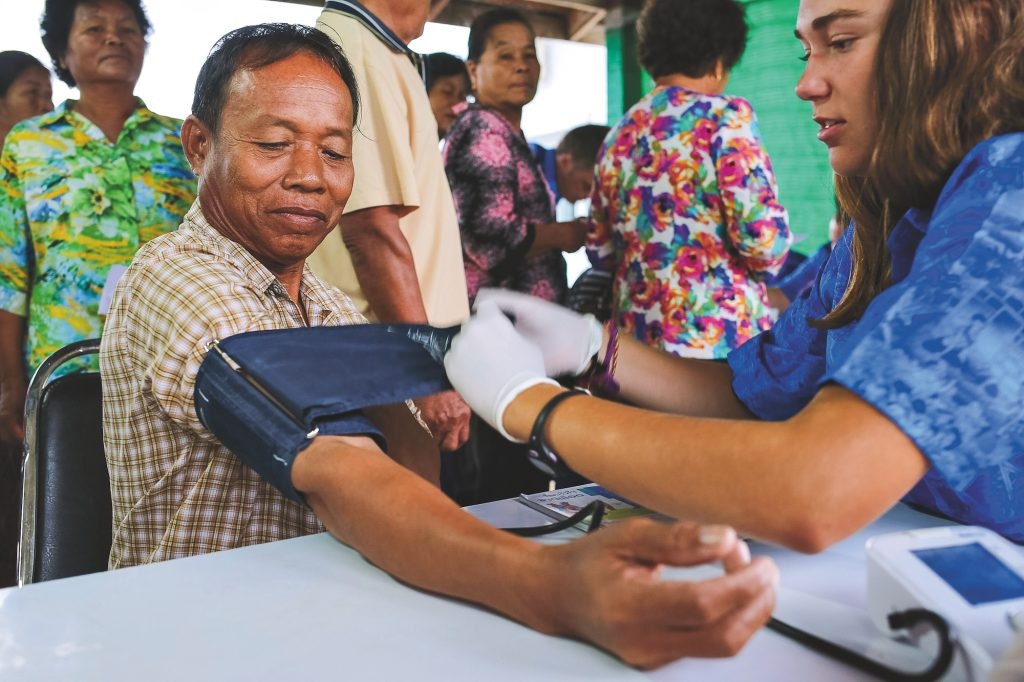
How We Chose the Best Teen Medical Tours For High School Students
To evaluate the strongest teen medical and public health programs, we reviewed the criteria families and universities consider essential:
- Ethical Standards
No unqualified clinical activity. No shadowing or patient interaction. No procedures. Only safe, educational activities aligned with global health ethics. - Public Health Relevance
Programs must focus on real global health foundations such as hygiene education, preventative care, environmental health, and health equity. - Educational Value
Meaningful exposure to the social determinants of health, global health systems, and the challenges communities face. - Safety & Supervision
Full-time staff, established safety protocols, structured group travel, and predictable environments. - Cultural Integration
Programs built around local partnerships, community participation, and long-term collaboration. - College and Career Alignment
Programs that support future exploration in public health, global health, community health, and medically adjacent fields without clinical claims.
Based on these factors, these are the best and most ethical teen medical tours available today.

Ethical Teen Medical Tours vs. Unethical Clinical Programs
The key difference in teen medical programs is not destination, it is student role. Below is the parent-facing comparison universities want you to understand.
| Activity Category | Rustic Pathways (Ethical) | Competitor Programs (Unethical) | Why Rustic Is the Ethical Choice |
|---|---|---|---|
| Student Role | Public health education, hygiene initiatives, preventative health support, community-led projects. | Shadowing clinicians, taking vitals, interacting with patients, or assisting in medical tasks. | Protects teens and communities. Avoids unethical or unsafe clinical involvement. |
| Educational Value | Health systems, social determinants of health, environmental health, community well-being. | Narrow clinical observation with no broader context. | Demonstrates holistic pre-health understanding valued by admissions. |
| Program Leadership | Full-time global health–trained staff operating under clear ethical guidelines. | Short-term contracted clinicians or untrained volunteers. | Ensures accurate, safe, developmentally appropriate instruction. |
The 5 Best Teen Medical and Public Health Programs
Each program below provides meaningful exposure to global health while maintaining strict ethical boundaries.
1. Bali: Public Health and Island Wellness
Best for: Students eager to explore global health challenges through hands-on learning and cultural immersion.
Program Focus:
- Public health education workshops
- Hygiene instruction
- Environmental well-being initiatives
- Cultural exchange with local leaders
Why It Ranks First:
This is Rustic’s most comprehensive public health program, offering students deep insight into how social, environmental, and cultural factors shape health outcomes.
2. Dominican Republic: Community Health Service
Best for: Students interested in understanding health equity and the challenges faced by Caribbean communities.
Program Focus:
- Community-identified health projects
- Health education campaigns
- Environmental and infrastructure support
- Long-term partner collaboration
Why It’s a Top Pick:
Students learn how public health strategies are shaped by social and economic context.
Explore Dominican Republic Community Health
3. Public Health in the Caribbean
Best for: Students exploring global health policy, infrastructure, and preventative care through comparative analysis.
Program Focus:
- Island-to-island public health comparisons
- Environmental health
- Field learning with local partners
- Community awareness activities
Why It Ranks High:
Provides structured insight into regional health systems without clinical implications.
Explore Public Health in the Caribbean
4. Tanzania: Wildlife, Community and Health
Best for: Students fascinated by the intersection of environment, animals, and public health.
Program Focus:
- Zoonotic disease education
- Environmental health
- Community health awareness
- Conservation-focused learning
Why It Stands Out:
Teens see how ecology affects community health, a growing field in global health education.
Explore Tanzania Health & Wildlife
5. Amazon and Andes Initiative (Health Infrastructure Track)
Best for: Students motivated by service, sustainability, and understanding the foundations of community health.
Program Focus:
- Water sanitation
- Education infrastructure
- Health-related community projects
- Regional cultural learning
Why It Makes the List:
Offers high verified service hours (50–80+) and strong educational alignment with the social foundations of global health.
Explore Amazon & Andes Health Track
Teen Pre Med Medical Tour Cost and Packages
| Program Duration | Typical All-Inclusive Cost | What’s Included |
|---|---|---|
| 10–14 Days | $4,000 to $6,000 | Lodging, meals, local transportation, activities, program materials, and full-time staff |
| 3+ Weeks | $6,500 to $9,500 | Expanded immersion, public health projects, cultural integration, staff-led workshops |
Not Included:
International airfare.
Never Included:
Clinical activity, patient interaction, or medical procedures.
