School Trips to IndiaDelhi, Agra, Ladakh & Kerala
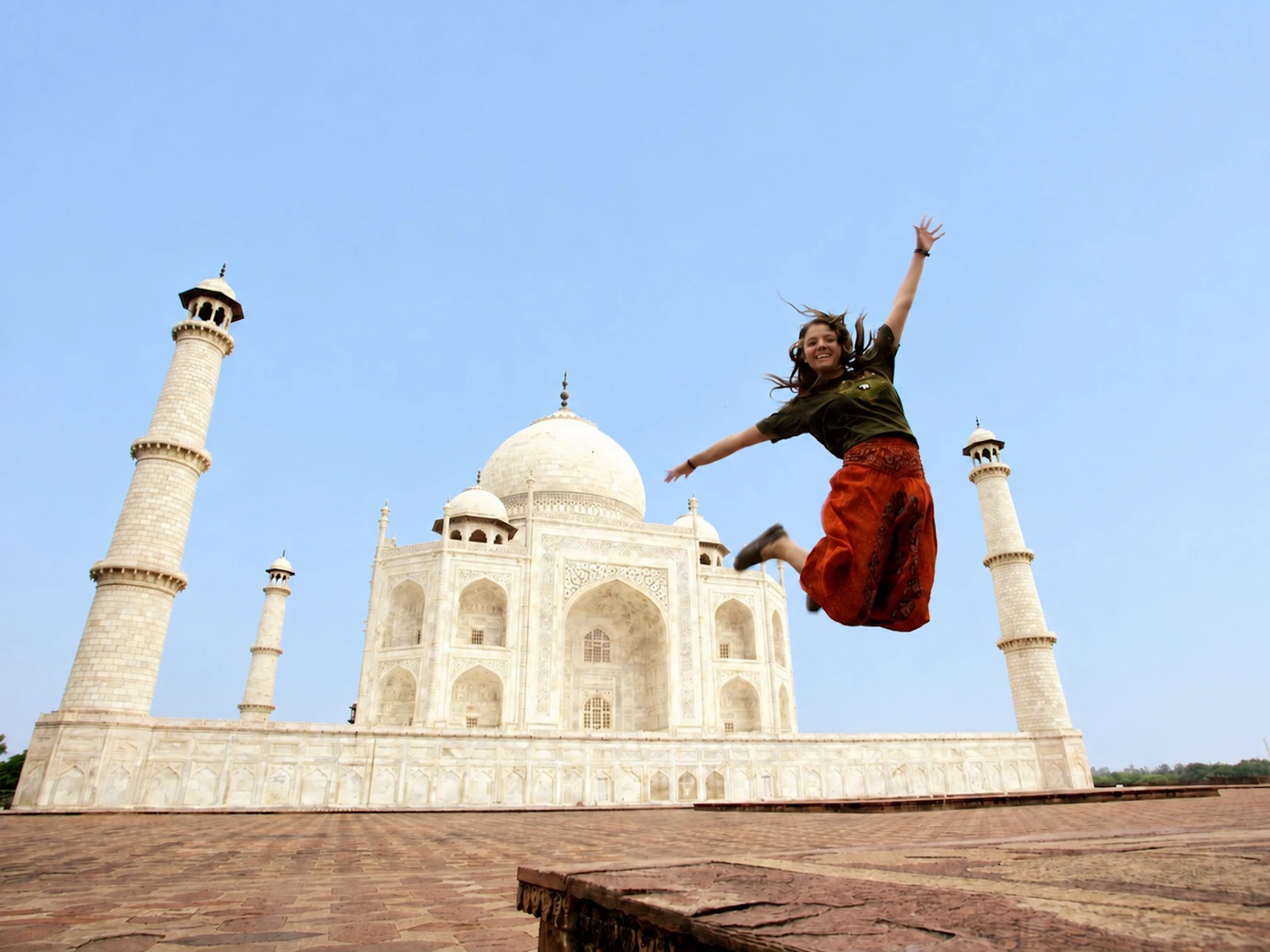
School trips to India introduce students to Mughal monuments, Himalayan landscapes, conservation, and community service. In 2026, Rustic Pathways school trips to India cost $2,555 to $3,845 per student for 8- to 14-day itineraries, excluding international airfare.
No commitment, and no sales call unless you ask for one.
4.9on Trustpilot and Google

India School Travel Itineraries
The three India school travel itineraries are Himalayan Photography Expedition, Kerala Houseboat Service Adventure, and Wildlife Conservation. Himalayan Photography Expedition starts at $3,845 for 14 days, Kerala Houseboat Service Adventure starts at $2,625 for 8 days, and Wildlife Conservation starts at $2,555 for 8 days.
Compare the three itineraries side by side
| Itinerary | Himalayan Photography Expedition | Kerala Houseboat Service Adventure | Wildlife Conservation |
|---|---|---|---|
| Length | 14 days | 8 days | 8 days |
| Starting price | From $3,845 | From $2,625 | From $2,555 |
| Learning focus | Photography · Geography · Cultural studies · Homestay | Service learning · Education · Geography · Cultural studies | Biology · Environmental science · Animal welfare · Service learning |
| Route | Delhi · Leh · Alchi · Themisgam · Hemis · Chang Tang · Lake Tso Moriri · Agra | Delhi · Cochin · Alleppey · Vembanad Lake | New Delhi · Agra · Agra Bear Rescue Facility · Yamuna · Sapera village · Taj Mahal · Agra Fort |
| Overnight bases | Delhi (2) · Leh (2) · Village homestay, Themisgam (2) · Village homestay, Hemis (1) · Leh (1) · Yurt, Chang Tang plateau (2) · Leh (1) · Agra (1) · Delhi (1) · In transit (1) | Delhi (1) · Houseboat, Alleppey (5) · Delhi (1) · In transit (1) | New Delhi (1) · Base house, Agra (5) · New Delhi (1) · In transit (1) |
| Physical profile | low: 7 days · moderate: 6 days · high: 1 day | low: 4 days · moderate: 4 days | low: 3 days · moderate: 3 days · high: 2 days |
| On-program flights | Two. Both included in Program Tuition: Delhi to Leh on day 3, and Leh back to Delhi on day 12 before the road to Agra | Two. Both included in Program Tuition: Delhi to Cochin on day 2, and Cochin back to Delhi on day 7 | None. The group arrives and departs Delhi and travels to Agra by road |
| Highest altitude | Over 4,500 m at Lake Tso Moriri | Sea level, on the Kerala backwaters | The northern plains; no high altitude on the route |
| Best for | Art, photography, or geography departments that want school students working to a daily brief. | Service-learning and education departments that want students planning and teaching their own lessons to local students, and working with the elderly. | Biology and environmental science departments that want students contributing to wildlife conservation and animal welfare projects. |
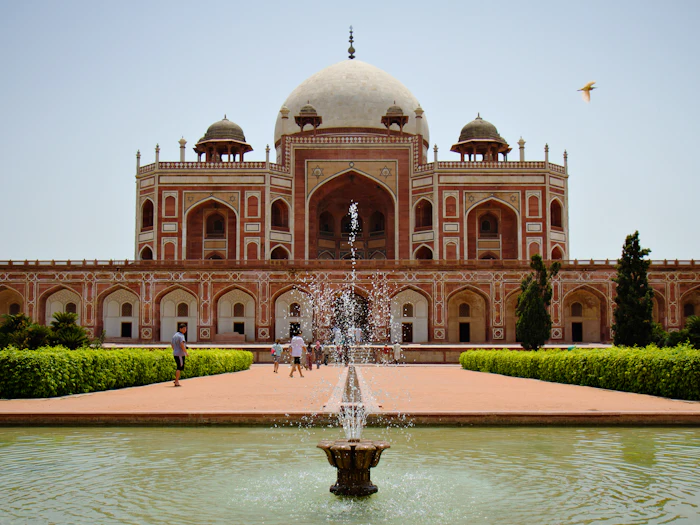
- Delhi · Program arrival and departure. Explore remains of the Mughal Empire
- Leh · Photo lessons and monastery photo assignments
- Themisgam · Homestay in the Indus valley, with Alchi on the way and the walk to Hemis after
- Lake Tso Moriri · Two nights in yurts with the Changpa on the Chang Tang plateau
- Agra · The Taj Mahal on day 12, then back to Delhi
- Delhi · Arrive and depart; one night at each end
- Alleppey · Five nights on the houseboat; the school, the two homes and Vembanad Lake
- New Delhi · Arrive and depart; the bazaars on the way back through
- Agra · Six days at one base: the bear and elephant facilities, the Yamuna, Sapera village, the Taj Mahal, and Agra Fort
 India · Delhi, Ladakh homestays, and the Taj Mahal
14 days · From $3,845
India · Delhi, Ladakh homestays, and the Taj Mahal
14 days · From $3,845
Himalayan Photography Expedition
The photography tour travels from Delhi across the Himalaya to Leh, where students photograph Ladakhi monasteries and stay in homestays in Themisgam, Hemis, and with the semi-nomadic Changpa. The 14-day expedition returns via the Taj Mahal in Agra before finishing in Delhi.
Choose this programThe route connects Delhi, Leh, Alchi, Themisgam, Hemis, Chang Tang, Lake Tso Moriri, and Agra.
- Delhi2 nights
- Leh2 nights
- Village homestay, Themisgam2 nights
- Village homestay, Hemis1 night
- Leh1 night
- Yurt, Chang Tang plateau2 nights
- Leh1 night
- Agra1 night
- Delhi1 night
- Flight home1 night
Your fourteen-day itinerary
-
Day 1
Arrive in Delhi
The group lands in Delhi, meets the Program Leaders who stay for the whole program, and settles in before the orientation.
MorningArrival at Indira Gandhi International and the transfer to the hotel.AfternoonSettle in and rest after the flight.EveningOrientation: Ground rules, group introductions, and program overview.- Route
- Delhi airport to the hotel.
- Travel
- Private airport transfer; approximately forty-five minutes.
- Overnight
- Shared rooms in an approved hotel in Delhi.
- Meals
- Dinner included; earlier meals depend on arrival time.
- Physical demand
- Low effort: transfer and a short walk.
- Customization
- Late arrival pushes the orientation to the next morning.
-
Day 2
Old Delhi and New Delhi
A full day across the two Delhis, shooting all of it: the Mughal city, the Sikh gurudwara, and the medieval ruins now inside a park.
MorningOld Delhi and the walls of the Red Fort, on Shah Jahan's city.AfternoonThe Bangla Sahib Gurudwara, then the ruins at Hauz Khas in New Delhi.EveningBack to the hotel for dinner and the first look at the day's frames.- Route
- Old Delhi and the Red Fort, the Bangla Sahib Gurudwara, and Hauz Khas.
- Travel
- Private coach between sites, about two hours across the day.
- Overnight
- Program-approved hotel in Delhi, shared rooms.
- Meals
- Breakfast, lunch, and dinner included.
- Physical demand
- Moderate effort; several kilometers on foot on city streets.
- Learning outcome
- Students shoot the same city under two names and say what changes between the frames.
- Customization
- History departments can add Mahatma Gandhi's memorial at Raj Ghat in place of Hauz Khas.
-
Day 3
Fly north to Leh
A morning flight straight over the Himalaya to Leh, then a day built entirely around arriving at altitude.
MorningThe flight to Leh, with the range below the whole way.AfternoonInto the guesthouse to eat, hydrate and rest; the leaders run the itinerary briefing and the first photography lessons indoors.EveningA short walk out for a photo lesson and sunset from the Royal Palace, then thukpa and momos.- Route
- Delhi to Leh by air, then the guesthouse and a short walk to the Royal Palace.
- Travel
- Domestic flight, about an hour and a quarter, included in the program.
- Overnight
- Guesthouse in Leh, shared rooms.
- Meals
- Breakfast, lunch, and dinner included.
- Physical demand
- Low effort by design. The day is an acclimatization day and the schedule is deliberately light.
- Customization
- Fixed. The rest day cannot be traded for activity; everything after it depends on it.
-
Day 4
Monastery assignments around Leh
A second day at altitude, spent on the monasteries Ladakh is known for and the assignments the leaders set against them.
MorningBreakfast and chai, then out to the first of the monasteries.AfternoonMore of them, each with its own photographic brief.EveningBack to the guesthouse for dinner and the mid-trip discussion on what the group has seen so far.- Route
- Leh and the monasteries around it.
- Travel
- Private coach, about two hours across the day.
- Overnight
- Guesthouse in Leh, shared rooms.
- Meals
- Breakfast, lunch, and dinner included.
- Physical demand
- Moderate effort; walking and steps at altitude on a second day up.
- Learning outcome
- Students work out what a photograph of a working religious building may and may not show.
-
Day 5
Indus valley to Themisgam
West down the Indus valley to a homestay at Themisgam, stopping at the eleventh-century monastery at Alchi on the way.
MorningThe drive out of Leh and down the Indus River Valley.AfternoonAlchi and its murals, and apricots off the tree if they are in season.EveningInto the Themisgam homestay and dinner with the host families.- Route
- Leh west along the Indus River Valley, Alchi, then Themisgam.
- Travel
- Private coach, about three hours with the Alchi stop.
- Overnight
- Group homestay in Themisgam, with host families.
- Meals
- Breakfast, lunch, and dinner included; dinner is with the host family.
- Physical demand
- Low effort; a driving day with short walks at the stops.
- Learning outcome
- Students photograph an eleventh-century interior and a working household on the same day and compare what each one lets them take.
-
Day 6
Scavenger hunt in the village
A full day in Themisgam: a skills scavenger hunt, the village school, and making momos with the host family.
MorningBreakfast with the host family, then the photography scavenger hunt.AfternoonThe local school, and a volleyball game with the students if there is one going.EveningMaking momos with the family and talking about how the village sustains itself.- Route
- Themisgam village and its school, on foot.
- Travel
- None; the day is walked.
- Overnight
- Group homestay in Themisgam, with host families.
- Meals
- Breakfast, lunch, and dinner included; dinner is cooked with the family.
- Physical demand
- Moderate effort; a day on foot around a village at altitude.
- Learning outcome
- Students ask a household how it feeds itself and check the answer against what they photographed that morning.
- Customization
- Geography departments can turn the evening conversation into a structured interview on water and food supply.
-
Day 7
Walk to Hemis
Goodbye to the first host family and a morning walk to Hemis, then portraits and a day-in-the-life brief in the village.
MorningLeaving the homestay and the walk in to Hemis.AfternoonExplore the village and its monastery, and the assignment: portraits, or a day in the life of one resident.EveningA second group homestay, with Ladakhi dishes cooked by the family.- Route
- Themisgam to Hemis on foot, then the village and the monastery.
- Travel
- Walked, with luggage carried separately.
- Overnight
- Group homestay in Hemis, with host families.
- Meals
- Breakfast, lunch, and dinner included; dinner is with the family.
- Physical demand
- High effort; a morning's walk at altitude, the hardest day of the route.
- Learning outcome
- Students ask permission for a portrait and record what they agreed to before they take it.
-
Day 8
Photo review back in Leh
Back to Leh after several days without Western amenities, for a full review of the work and the briefing for the plateau.
MorningThe drive back into Leh and time to recharge.AfternoonA full photo review of everything shot since day 3.EveningThe next lesson and assignment, and preparation for the days east with the Changpa.- Route
- Hemis back to Leh.
- Travel
- Private coach, about three hours.
- Overnight
- Guesthouse in Leh, shared rooms.
- Meals
- Breakfast, lunch, and dinner included.
- Physical demand
- Low effort; a driving day and a seated review.
- Learning outcome
- Students defend a selection from five days of frames and hear why the others were cut.
-
Day 9
Yurts on the Chang Tang
East out of Leh to the high alpine desert of the Chang Tang, and into yurts with a semi-nomadic Changpa community.
MorningThe drive east from Leh, climbing onto the plateau.AfternoonArriving at the Changpa camp and settling into the yurts.EveningThe first evening with the community, and a briefing on the two days ahead.- Route
- Leh east onto the Chang Tang plateau.
- Travel
- Private four-wheel-drive vehicles, about six hours on mountain roads.
- Overnight
- Yurt homestay with a Changpa family.
- Meals
- Breakfast, lunch, and dinner included.
- Physical demand
- Moderate effort; a long road day, and the group sleeps higher than it has all trip.
- Sleeping elevation
- Over 4,500 m
- Customization
- Fixed. The plateau nights are arranged with the community and cannot be shortened at short notice.
-
Day 10
Lake Tso Moriri
An excursion to Lake Tso Moriri in the Rupshu Valley for landscape and wildlife work, then back to the yurts.
MorningThe drive to Tso Moriri, with the Himalaya behind the water.AfternoonLandscape and wildlife assignments; herds of pashmina goats, and foxes, marmots, and kiang on the plain.EveningBack to the Changpa camp for a second night in the yurt.- Route
- The Chang Tang camp to Lake Tso Moriri in the Rupshu Valley, and back.
- Travel
- Private four-wheel-drive vehicles, about four hours across the day.
- Overnight
- Yurt homestay with a Changpa family.
- Meals
- Breakfast, lunch, and dinner included.
- Physical demand
- Moderate effort; walking on open ground at the highest point of the route.
- Sleeping elevation
- Over 4,500 m
- Learning outcome
- Students shoot a landscape that is also a working pasture and say which of the two their frame is about.
-
Day 11
Down from the plateau
Goodbye to the Changpa family, the drive back through the mountains to Leh, and the last Himalayan sunset of the trip.
MorningLeaving the camp and the drive west off the plateau.AfternoonBack in Leh, with time to shop before the early start.EveningSunset over the mountains, a Ladakhi meal, and an early night before the flight.- Route
- The Chang Tang plateau back to Leh.
- Travel
- Private four-wheel-drive vehicles, about six hours.
- Overnight
- Guesthouse in Leh, shared rooms.
- Meals
- Breakfast, lunch, and dinner included.
- Physical demand
- Low effort; a long seated day.
- Customization
- A group that wants a second Leh evening can move the departure flight to day 13.
-
Day 12
The Taj Mahal at Agra
An early flight south and the road to Agra, for the Taj Mahal with eleven days of practice behind the camera.
MorningThe flight from Leh to Delhi and the road on to Agra.AfternoonThe Taj Mahal, Shah Jahan's seventeenth-century monument.EveningOvernight in Agra with a photo review of the day.- Route
- Leh to Delhi by air, then by road to Agra and the Taj Mahal.
- Travel
- Domestic flight and a coach transfer, about eight hours in total.
- Overnight
- Program-approved hotel in Agra, shared rooms.
- Meals
- Breakfast, lunch, and dinner included.
- Physical demand
- Moderate effort; a long travel day with several hours on foot at the end of it.
- Learning outcome
- Students photograph the most photographed building in the country and have to find a frame that is theirs.
-
Day 13
Delhi markets and the closing review
Back to Delhi for the last full day: the markets, a Bollywood film, the final photo review, and the closing discussion.
MorningThe road back to Delhi.AfternoonOne of the city's markets, then a Bollywood film.EveningThe final photo review, the closing discussion, and Rustic Ties, then a celebration meal.- Route
- Agra back to Delhi, then the markets.
- Travel
- Private coach, about four hours.
- Overnight
- Program-approved hotel in Delhi, shared rooms.
- Meals
- Breakfast, lunch, and dinner included.
- Physical demand
- Low effort; a driving day and an evening indoors.
- Learning outcome
- Students set out the body of work the fortnight produced and say what they would take differently.
-
Day 14
Depart from Delhi
A last morning of shopping, a resort afternoon in South Delhi, and the transfer to the airport.
MorningLast souvenirs, and bargaining for them.AfternoonA South Delhi resort, a pool, and a final meal.EveningThe transfer to the airport and departure.- Route
- Delhi, then South Delhi, then the airport.
- Travel
- Private transfer, about forty-five minutes to the airport.
- Overnight
- In transit.
- Meals
- Breakfast and a final meal included; later meals depend on flight time.
- Physical demand
- Low effort.
- Customization
- A late departure adds a further afternoon in the city.
 India · a kettuvallam on the Alleppey backwaters
8 days · From $2,625
India · a kettuvallam on the Alleppey backwaters
8 days · From $2,625
Kerala Houseboat Service Adventure
After one night in Delhi, students fly to Cochin and travel to Alleppey, where a traditional kettuvallam houseboat serves as their accommodation and transport for five nights. They teach at a local school, complete a community construction project, and volunteer at homes for people with intellectual disabilities and older residents before returning to Delhi.
Choose this programThe route connects Delhi, Cochin, Alleppey, and Vembanad Lake.
- Delhi1 night
- Houseboat, Alleppey5 nights
- Delhi1 night
- Flight home1 night
Your eight-day itinerary
-
Day 1
One night in Delhi
A single night in the capital before the flight south: the group meets its Program Leaders and hears what the week's placements involve before it reaches them.
MorningArrival at Indira Gandhi International and the transfer to the hotel.AfternoonRest, and time to sort kit for a week where the luggage stays on a boat.EveningOrientation over dinner: the school, the two care homes, and what the group will be asked to do at each.- Route
- Delhi airport to the hotel.
- Travel
- Private transfer, about forty-five minutes.
- Overnight
- Program-approved hotel in Delhi, shared rooms.
- Meals
- Dinner included; earlier meals depend on arrival time.
- Physical demand
- Low effort; a transfer and a short walk.
- Learning outcome
- Students hear what the placements have asked for before they design a single lesson.
- Customization
- A group landing late takes the orientation on the flight day instead.
-
Day 2
Fly south and board the houseboat
A flight the length of the country to Cochin, straight on to Alleppey and onto the boat, and the first afternoon of teaching before the sun goes down.
MorningThe flight from Delhi to Cochin and the transfer to Alleppey.AfternoonOnto the kettuvallam, then small groups plan lessons with local staff and take them to the nearby school.EveningA canoe race, a walk through the paddy fields, and the first reflection: how the group defines service.- Route
- Delhi to Cochin by air, road to Alleppey, then the school.
- Travel
- Domestic flight and a coach transfer, about six hours in total, both included in the program.
- Overnight
- Traditional kettuvallam houseboat on the Alleppey backwaters.
- Meals
- Breakfast, lunch, and dinner included.
- Physical demand
- Moderate effort; a long travel day with an afternoon of teaching at the end of it.
- Learning outcome
- Students say what they think service is on the evening of the day they first do any, and the group writes it down to come back to.
-
Day 3
Teaching and a construction project
A full day split between the classroom and a small build agreed with the principal, then an afternoon at a home for students with intellectual disabilities.
MorningTeaching at the school, with the construction project running alongside it.AfternoonBy rickshaw to a residential home for students with intellectual disabilities; introductions and stories over afternoon tea.EveningA swim from the deck, then the post-service debrief.- Route
- The Alleppey school, then the residential home, then back to the boat.
- Travel
- Rickshaws between the placements, about an hour across the day.
- Overnight
- Traditional kettuvallam houseboat on the Alleppey backwaters.
- Meals
- Breakfast, lunch, and dinner included.
- Physical demand
- Moderate effort; a teaching morning and manual work on the project.
- Learning outcome
- Students find out what the school asked for, rather than what they arrived planning to give.
-
Day 4
A second morning at the school
Back to the same classroom and the same residential home, which is the point: the second visit is the one the placement is built on.
MorningAnother teaching session at the school, building on the first.AfternoonBack to the residential home to continue the previous day's activities.EveningAn optional trip to the beach, then a sadya dinner on the boat and time to write.- Route
- The school, the residential home, and an optional evening at the beach.
- Travel
- Rickshaws between the placements, about an hour across the day.
- Overnight
- Traditional kettuvallam houseboat on the Alleppey backwaters.
- Meals
- Breakfast, lunch, and dinner included; dinner is a sadya served on the boat.
- Physical demand
- Moderate effort; a second full day on the placements.
- Learning outcome
- Students see what a second session with the same children makes possible that a first one does not.
- Customization
- The beach evening is optional and can be dropped for an earlier reflection session.
-
Day 5
A home for the elderly, then Vembanad Lake
A third teaching morning, an afternoon at a home for the elderly building a vegetable garden, and country boats through the quiet waterways at dusk.
MorningTeaching at the school.AfternoonA residential home for the elderly: time with the residents, building a vegetable garden, harvesting tapioca.EveningPaddling traditional country boats through the secluded channels of Vembanad Lake, past the villages along them.- Route
- The school, the elderly home, then Vembanad Lake by country boat.
- Travel
- Rickshaws to the placements and paddled boats in the evening, about two hours on the water.
- Overnight
- Traditional kettuvallam houseboat on the Alleppey backwaters.
- Meals
- Breakfast, lunch, and dinner included.
- Physical demand
- Moderate effort; garden work in the afternoon and paddling in the evening.
- Learning outcome
- Students read how the villages along the lake are organized around the water, immediately after spending a day working beside it.
-
Day 6
Onam on the deck
A cultural day on the boat: a mock Onam festival, flower patterns laid out on the deck, a feast on banana leaves, and the last sunset cruise.
MorningLaying out floral patterns on the deck from freshly picked flowers, and dressing for the festival.AfternoonThe mock Onam feast, served on banana leaves, and the option of an Ayurvedic massage in the place it comes from.EveningThe last sunset cruise through the backwater canals, lakes, and rivers.- Route
- The backwater canals, lakes, and rivers around Alleppey, from the boat.
- Travel
- The houseboat itself, about three hours cruising.
- Overnight
- Traditional kettuvallam houseboat on the Alleppey backwaters.
- Meals
- Breakfast, lunch, and dinner included; lunch is the festival feast.
- Physical demand
- Low effort; a day on the boat.
- Learning outcome
- Students take part in a harvest festival staged out of season and say what a re-enactment can and cannot carry.
- Customization
- Cultural studies departments can turn the festival into a comparison exercise against a harvest festival the school already teaches.
-
Day 7
Back to Delhi and the bazaars
Off the boat, the flight north, and a last evening in Delhi with the closing discussion.
MorningLeaving the houseboat and the transfer to Cochin for the flight.AfternoonInto Delhi, freshen up at the hotel, then the local bazaars.EveningA final meal at a Delhi restaurant, the closing discussion, and Rustic Ties.- Route
- Alleppey to Cochin, Cochin to Delhi by air, then the bazaars.
- Travel
- A coach transfer and a domestic flight, about six hours in total, included in the program.
- Overnight
- Program-approved hotel in Delhi, shared rooms.
- Meals
- Breakfast, lunch, and dinner included.
- Physical demand
- Low effort; a travel day and an evening on foot.
- Learning outcome
- Students come back to the definition of service they wrote on day 2 and say what they would change in it.
-
Day 8
Fly home from Delhi
Bargaining practice on the last souvenirs, an afternoon by a pool in South Delhi, and the transfer out.
MorningThe last of the shopping, and the bargaining that goes with it.AfternoonA South Delhi resort, a pool, and the final meal together.EveningThe transfer to the airport and departure.- Route
- Delhi, then South Delhi, then the airport.
- Travel
- Private transfer, about forty-five minutes to the airport.
- Overnight
- In transit.
- Meals
- Breakfast and a final meal included; later meals depend on flight time.
- Physical demand
- Low effort.
- Customization
- A late flight adds a further afternoon in the city.
 India · a week on a rescue facility outside Agra
8 days · From $2,555
India · a week on a rescue facility outside Agra
8 days · From $2,555
Wildlife Conservation
Six days at the Agra Bear Rescue Facility give students hands-on experience caring for rescued bears and elephants alongside Wildlife SOS staff. The program also includes bird surveys on the Yamuna, a visit to the snake-rescue community at Sapera village, and the Taj Mahal.
Choose this programThe route connects New Delhi, Agra, Agra Bear Rescue Facility, Yamuna, Sapera village, Taj Mahal, and Agra Fort.
- New Delhi1 night
- Base house, Agra5 nights
- New Delhi1 night
- Flight home1 night
Your eight-day itinerary
-
Day 1
Arrive in New Delhi
The group lands in New Delhi, meets the Program Leaders, and spends the first evening on what the week's work will involve.
MorningArrival and the transfer to the hotel.AfternoonSettling in, and a first look at the city.EveningOrientation over dinner: the route, the ground rules, and the facility routine the group is joining.- Route
- Delhi airport to the hotel.
- Travel
- Private transfer, about forty-five minutes.
- Overnight
- Program-approved hotel in New Delhi, shared rooms.
- Meals
- Dinner included; earlier meals depend on arrival time.
- Physical demand
- Low effort; a transfer and a short walk.
- Customization
- A group landing late moves the orientation to the next morning.
-
Day 2
Drive to the rescue facility
South-east to Agra and a first day at the Agra Bear Rescue Facility, learning what the group is about to be responsible for.
MorningThe drive from New Delhi to Agra.AfternoonSettling in, meeting the Wildlife SOS team, and a documentary on the history of dancing bears and the work with the sloth bears and the Kalandar community.EveningChai and the briefing on the group's responsibilities, then a walk round the bear and elephant enclosures.- Route
- New Delhi to Agra by road, then the Agra Bear Rescue Facility.
- Travel
- Private coach, about four hours.
- Overnight
- Program base house near Agra, shared rooms.
- Meals
- Breakfast, lunch, and dinner included.
- Physical demand
- Low effort; a driving day and a walk round the site.
- Learning outcome
- Students learn why the bears are here before they meet them, and what the community that once kept them does now.
-
Day 3
First day on the bear routine
The working routine starts: behavior monitoring, food preparation, feeding and den cleaning, and the first sketches for an enrichment structure.
MorningMonitoring bear behavior, washing and preparing food, feeding, and cleaning dens.AfternoonLunch and a midday break, then the evening bear routine and the orientation at the elephant facility.EveningA stop at a local fruit stand on the way back, dinner, and making bear popsicles from the fruit.- Route
- The bear facility, the elephant facility, and a local fruit stand.
- Travel
- Short local transfers, about an hour across the day.
- Overnight
- Program base house near Agra, shared rooms.
- Meals
- Breakfast, lunch, and dinner included; lunch is a vegetarian spread served at the facility.
- Physical demand
- High effort; a full working day, most of it standing, lifting, and cleaning.
- Learning outcome
- Students record bear behavior before they have any opinion about it, and find out how much of the day is unglamorous.
-
Day 4
Walking the elephants
An early start with the elephants, each student paired with one to walk and feed, then bathing them, and the evening bear routine.
MorningWalking and feeding the elephants, one student to each, and learning what each animal was rescued from.AfternoonFeeding and bathing, then lunch and the evening bear routine.EveningBack to the base house for dinner and a film.- Route
- The elephant facility and the bear facility.
- Travel
- Short local transfers, about an hour across the day.
- Overnight
- Program base house near Agra, shared rooms.
- Meals
- Breakfast, lunch, and dinner included.
- Physical demand
- High effort; an early start, a walk with the animals, and bathing work.
- Learning outcome
- Students hear one animal's history while doing that animal's daily care, and connect the two.
-
Day 5
Yamuna birds and the enrichment build
A bird survey from a boat on the Yamuna and a safari drive in the morning, then the enrichment structure gets built inside an enclosure.
MorningA boat on the Yamuna for the bird survey, then a safari vehicle out for antelope, hyena, porcupine, and deer.AfternoonFinal adjustments to the enrichment design, then building it in a bear enclosure with Wildlife SOS staff.EveningA marble workshop, the local market, and dinner out in Agra.- Route
- The Yamuna by boat, a safari drive, then back to the facility, and Agra in the evening.
- Travel
- A boat, a safari vehicle, and a coach, about three hours across the day.
- Overnight
- Program base house near Agra, shared rooms.
- Meals
- Breakfast, lunch, and dinner included; dinner is out in Agra.
- Physical demand
- Moderate effort; a seated morning and a build in the afternoon.
- Learning outcome
- Students watch the animals use something they designed, which is the only test the design gets.
-
Day 6
Last shift, then Sapera village
The last day of work, a tour of the facility hospital, and an evening at Sapera village with a community that changed what it does for a living.
MorningThe last time with the elephants.AfternoonThe facility hospital and the last bear routine.EveningSapera village, where a community that once worked as snake charmers, a practice now banned, works in snake rescue instead.- Route
- The elephant and bear facilities, the facility hospital, and Sapera village.
- Travel
- Private coach, about two hours across the day.
- Overnight
- Program base house near Agra, shared rooms.
- Meals
- Breakfast, lunch, and dinner included.
- Physical demand
- Moderate effort; a working morning and an evening visit.
- Learning outcome
- Students meet a community whose livelihood a conservation law removed, and ask what replaced it.
-
Day 7
The Taj Mahal at sunrise
An early start for the Taj Mahal at first light, then Agra Fort and the Mughal history behind both, and the road back to New Delhi.
MorningThe Taj Mahal at sunrise, then Agra Fort and the emperor who built the Taj.AfternoonThe drive back to New Delhi.EveningThe bazaars one last time, then a farewell dinner.- Route
- The Taj Mahal, Agra Fort, then Agra back to New Delhi and the bazaars.
- Travel
- Private coach, about four hours.
- Overnight
- Program-approved hotel in New Delhi, shared rooms.
- Meals
- Breakfast, lunch, and dinner included.
- Physical demand
- Moderate effort; an early start and several hours on foot before a long drive.
- Learning outcome
- Students see the monument last, after a week on the working end of the same landscape.
- Customization
- History departments can add a second Mughal site in Delhi on the way back in.
-
Day 8
Depart from New Delhi
Goodbyes to the Rustic Pathways team and the transfer to the airport.
MorningBreakfast and packing.AfternoonGoodbyes to the team.EveningThe transfer to the airport and departure.- Route
- The hotel to Delhi airport.
- Travel
- Private transfer, about forty-five minutes.
- Overnight
- In transit.
- Meals
- Breakfast included; later meals depend on flight time.
- Physical demand
- Low effort.
- Customization
- A late departure adds an afternoon in the city.
What applies across every itinerary
- Groups and teachers
- Groups start at 10 students; smaller groups are considered on a case-by-case basis. One teacher receives free Program Tuition per eight paying students.
- Rooming
- Students share gender-separated rooms with individual beds; teachers have private rooms. Rooming arrangements for the village homestays, yurt nights, and houseboat, are confirmed in your school's pre-trip preperation.
- Excluded
- Program Tuition does not include flights to and from the program, travel insurance, medical insurance, and personal spending. Domestic on-program flights are included.
- Flights and documents
- Schools book international flights or ask Rustic Pathways to arrange them. Families handle passports and visas with Rustic Pathways guidance.
- Supervision
- Program Leaders lead scheduled activities, stay on site and are available overnight. The approved itinerary specifies any free time, and Program Leaders are present during it.
- Effort
- Low is limited walking, moderate is a full day on foot or a long transfer day, and high is a day of walking at altitude or a full day working on service projects.
- Flexibility
- Fixed days cannot move independently, linked days move only with connected flight or facility bookings, and adjustable days can change without restructuring the entire program.
How much does a school trip to India cost?
A school trip to India costs $2,555 to $3,845 per student, or about $275 to $328 per day, excluding international airfare. Program Tuition covers lodging, meals, airport transfers, in-country transport and flights, activities, guides, and entrance fees. Schools receive one complimentary Program Tuition place for every eight paying students.
$2,555 to $3,845
per student across the sample itineraries, excluding international airfare.
8 to 14 days
program length across the itineraries Rustic Pathways runs in India.
Group quote
every school receives its own, built on dates, group size, and route.
| Included | What it covers |
|---|---|
| Travel | Accommodation for every program night, all meals and drinking water, airport transfers, in-country coach transport and the domestic flights, scheduled activities, guides, and entrance fees. |
| Staff and support | At least two trained Program Leaders, including both a male and a female leader, pre-departure planning, and school documentation. Enrolled families receive a 24/7 emergency number for use during programs and travel days. |
| Community donations | Required by a service project, paid by Rustic Pathways and never collected from students. |
| Chaperones | One complimentary Program Tuition place per eight paying students. Chaperone airfare, travel insurance and medical insurance are separate. |
Not included: International airfare, travel insurance, medical insurance, personal spending, passport or visa fees, and vaccinations.
| Effect | Factor |
|---|---|
| raises | Peak and holiday weeks in the October to March dry season |
| raises | Domestic on-program flights on the routes that fly to Leh or Cochin |
| raises | Upgraded lodging |
| raises | Extra chaperones beyond the complimentary place |
| lowers | More students in the group means fixed costs split more ways. |
| raises | A shorter trip costs more per day, because the same fixed costs are spread over fewer of them. |
Payment and cancellation
Installment plans are available. Schools pay as a group, or families pay monthly under the current enrollment terms.
What do students learn on an India school trip?
Students explore photography in Ladakh, service learning in Kerala, or wildlife conservation near Agra.
Visual arts and photography
Build photography skills through daily assignments in Ladakh and at the Taj Mahal, with feedback from Program Leaders.
What does a photograph owe the person in it when you are staying in their house?
Himalayan Photography Expedition
Service learning and education
Plan and teach lessons, complete a construction project, and support gardening and harvesting with local communities.
Who decides what counts as help: the people offering it or the people receiving it?
Kerala Houseboat Service Adventure
Biology and environmental science
Study wildlife conservation through rescued bears and elephants, bird surveys, and community-based snake rescue.
What does an animal that can never be released still need from the people keeping it?
Wildlife Conservation

What makes Rustic Pathways educational trips different?
A Rustic Pathways school trip is one private group on your school's own dates, one bed per student, and an itinerary built to your curriculum.
- 01No mixed groups. Just your school
- 02One student, one bed
- 03Your school picks the dates
- 04Monthly payment plans available
- 05No tipping; Rustic Pathways Program Tuition includes community donations
- 06Aligned to your curriculum
How safety is managed on a school trip to India
Program Leaders manage local operations and safety alongside school chaperones. Across 13 years of published incident data from Rustic Pathways programs worldwide, 87% of reports were GREEN, the minor tier where the group stays intact.
What the team plans for
Ladakh, above 3,000 meters
The photography route flies directly to Leh, so day 3 is reserved for eating, hydrating, and resting at altitude. Village homestays and Chang Tang yurt stays are hours from a town.
Kerala backwaters
Five nights are spent on the water, with supervised swimming, canoeing, paddling on Vembanad Lake, and an optional beach evening.
Rescued animals near Agra
Students spend six days supporting a bear and elephant rescue facility through food preparation, cleaning, feeding, enrichment, and other activities conducted under the facility’s handling rules.
Controls built into every trip
Written risk plan. A score above 5 requires additional controls, reassessment, or cancellation.
Two-Deep Leadership. Students are never alone with one staff member. Each School Group Travel trip has at least two trained Program Leaders, including a male and female leader.
Assessed vendors. Boat, rescue-facility, and safari operators are reviewed before use, every one to two years, and on site when high risk.
Medical readiness. Remote programs include WFR coverage, backed by Dr. William R. Smith, Medical Director since 2015.
Is Rustic Pathways the right partner for your school trip to India?
Rustic Pathways runs private, curriculum-focused India trips on your school’s dates. Students travel only with their teachers and classmates. Individual students can instead join teen travel programs to India.
A strong fit
- You want one private group with your dates and teachers.
- You can travel for 8 to 14 days.
- You have 10 or more students.
- You want the full day-by-day itinerary before you commit.
Talk with us first
- A student has significant mobility, medical, sensory, mental-health, dietary, or religious support needs.
- You have fewer than 10 students.
- You want the Himalayan Photography Expedition. It flies to Leh above 3,000 meters and includes remote homestays and yurt stays.
- You want the Wildlife Conservation route. Six of eight days are based around a working bear and elephant rescue facility.
Probably not a fit
- You want your group merged with another school.
- You want the Himalaya, Kerala, and Taj Mahal in one itinerary. Each route focuses on one region.
Support planning starts early
Raise individual needs before booking so Rustic Pathways can assess possible route and support adaptations.
Questions about school trips to India
The questions schools ask most before requesting an India proposal, answered from the itineraries and prices on this page.
How much does it cost for a school trip to India?
In 2026, a Rustic Pathways school trip to India costs $2,555 to $3,845 per student for an 8- to 14-day itinerary, excluding international airfare. Final costs vary by season, trip length, and group size. Groups require at least 10 students and receive one free teacher place for every eight paying students.
What is the best month to go to India?
The best months to visit India depend on the itinerary. Travel from October to March for the Kerala and Agra itineraries, when conditions are generally cooler and drier. The Ladakh photography route follows a different schedule because Leh’s mountain passes and plateau are most accessible during the northern summer. Rustic Pathways builds travel dates around your school calendar.

Have a question before you ask for a proposal?
Matija Paunovski answers India school-trip questions with the school travel team.
Send your group size, dates, trip length, and what you want students to learn. I’ll reply within 1 business day and send you options within 48 hours, and no sales call unless you ask for one.
Start with your travel window
Start your India trip proposal with your travel dates, group size, and learning goals. Receive a reply within 1 business day and customized trip options within 48 hours.
Or reach a person directly: +1 440-975-9691 or groups@rusticpathways.com
Need approval or funding first?
Certificate of insurance, risk management plans, and fundraising templates for families, on request.
Destinations related to India
Browse all school trip destinations- Rustic Pathways has operated student travel since 1983. Recent industry recognition:
- 2026 GoAbroad Innovation AwardsInnovation in Adventure-Based Programming · Global Adventure Learning Model
- 2025 International Travel AwardsBest Group Tour Operator
- 2024 Skift IDEA AwardsIndustry Innovators – Tour Operators
- 4x WYSETC Best Youth Tour Operator2015, 2017, 2018, 2019
- BBB A+ RatingBetter Business Bureau profile
- NESA Affiliate OrganizationNear East South Asia Council of Overseas Schools
- 2025 World Travel AwardsUnited States’ Leading Tour Operator