IB CAS Learning Outcomes: The 7 Requirements (With Examples, Evidence Ideas & Tips)

How do IB students demonstrate growth beyond academic achievements?

The CAS (Creativity, Activity, Service) program gives IB students a framework for developing skills through purposeful experiences and reflection. As part of a broader educational travel approach, CAS encourages students to apply learning through real-world experiences.

By participating in local and international initiatives, students can build leadership, resilience, collaboration, and ethical decision-making while addressing real needs in their communities.

Whether you are just starting CAS or trying to strengthen your portfolio, understanding the seven CAS learning outcomes will help you choose better experiences, collect better evidence, and write stronger reflections.

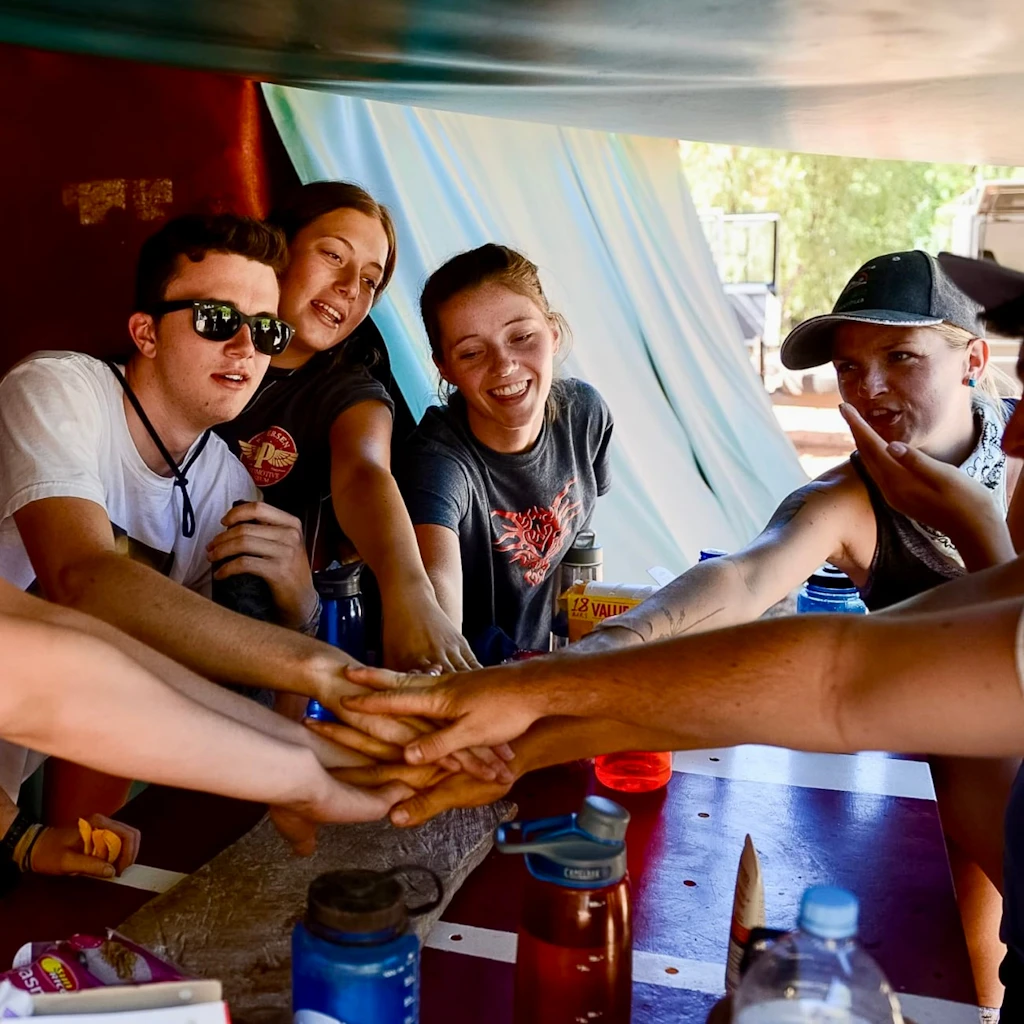
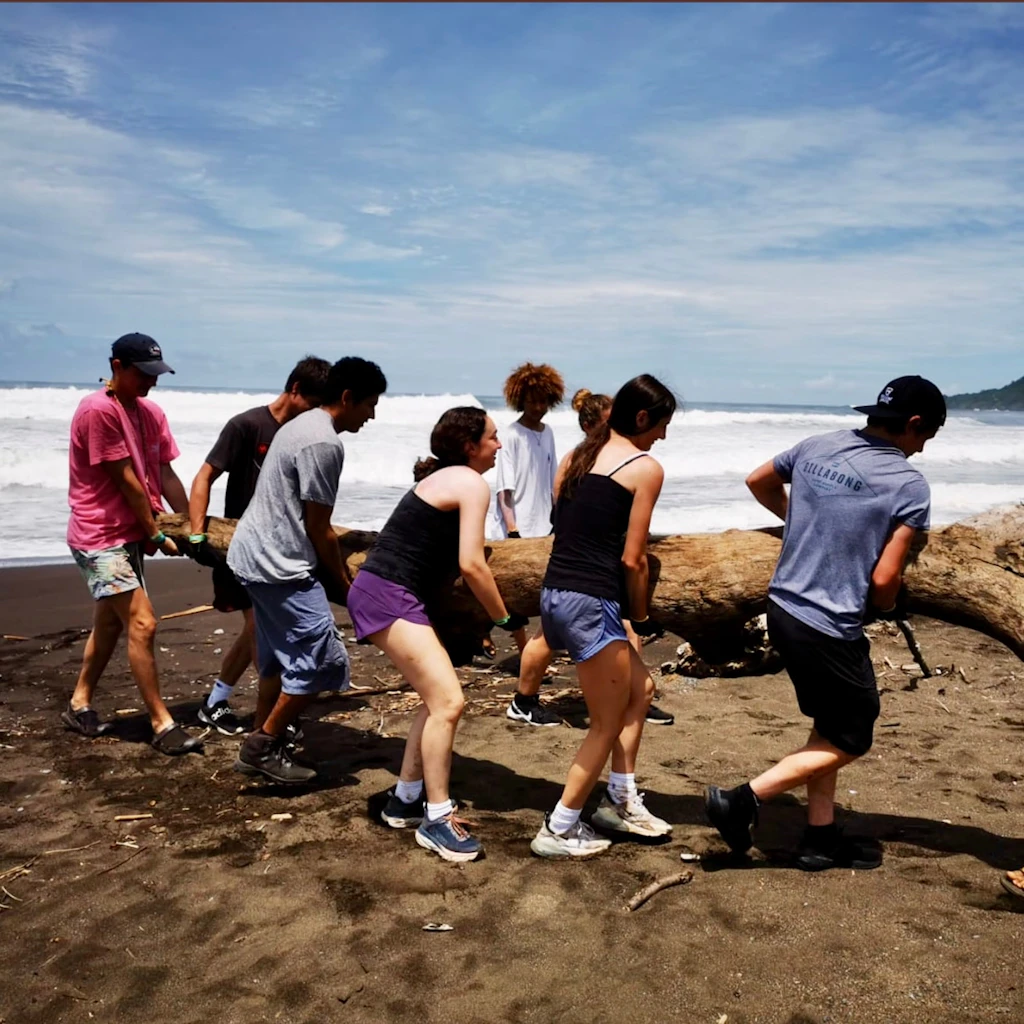
What is IB CAS?

IB CAS stands for Creativity, Activity, Service—one of the required core elements of the IB Diploma Programme (DP). CAS is designed to balance academic study with purposeful experiences that build skills like initiative, collaboration, leadership, and ethical decision-making.

To complete IB CAS, students plan and carry out ongoing experiences across the three strands, document evidence in a CAS portfolio, and use reflection to show growth over time.

Next step: If you’re looking for a complete overview of IB CAS requirements (not just the outcomes), start here: Understanding CAS in the IB Diploma Programme.
In this guide, we’ll take a look at:

    How to Use This CAS Learning Outcomes Guide

    If you are planning CAS on your own, use this page in three steps:

    1. Read the quick map first: match each learning outcome to useful evidence and reflection ideas.
    2. Review the seven outcomes below: look for the outcomes your current experiences already support and the ones you still need to strengthen.
    3. Turn gaps into action: choose new experiences, improve your documentation, or refine your reflections so your portfolio shows clear growth over time.

    If you are still choosing activities, this pairs well with CAS project ideas and an overview of CAS requirements.

    CAS Learning Outcomes in Context


    The CAS programme has several essential components that every IB student must complete:

    The Three CAS Strands

    1. Creativity: Exploring and extending ideas leading to an original or interpretive product or performance
    2. Activity: Physical exertion contributing to a healthy lifestyle
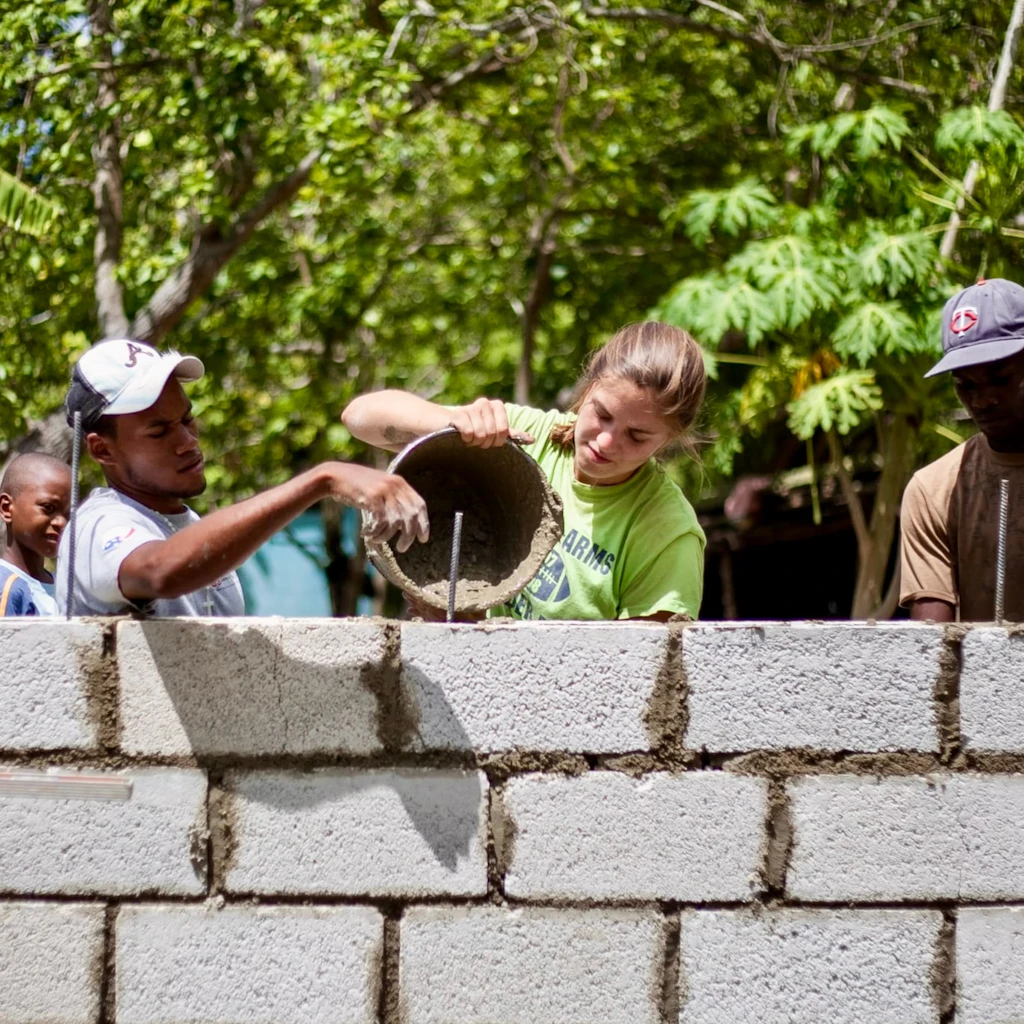
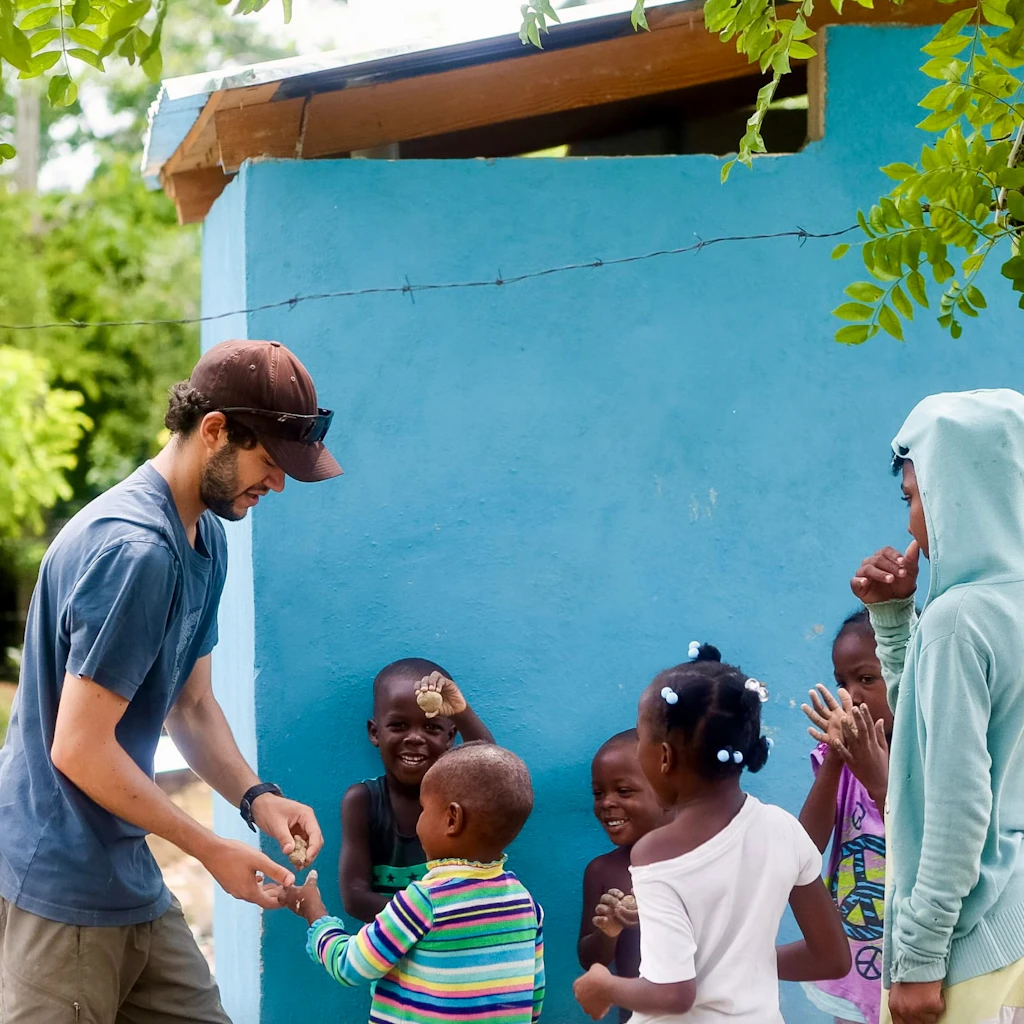
    3. Service: Collaborative and reciprocal engagement with the community in response to an authentic need

    Need examples that connect more clearly to the outcomes? Explore 100+ CAS project ideas to start building a shortlist.

    Key Programme Requirements

    • Continuous engagement over 18 months
    • Regular weekly CAS experiences
    • Three formal documented interviews with your CAS coordinator
    • At least one CAS project (collaborative, minimum one-month duration)
    • Maintained CAS portfolio documenting experiences and reflections

    IB CAS requirements (official notes)

    IB describes CAS as a required DP core element, completed through ongoing experiences and reflection. A CAS project is a collaborative series of experiences that lasts at least one month. Your school’s CAS coordinator confirms completion based on evidence and reflections in your CAS portfolio.

    What Are the CAS Learning Outcomes?

    The seven CAS learning outcomes serve as guideposts for your personal growth throughout the IB Diploma Programme. These learning outcomes articulate what a CAS student is able to do at some point during his or her CAS programme.

    Many students understand the learning outcomes in theory but struggle to prove them in their portfolio. This quick map shows the kind of evidence and reflection language that usually makes each outcome easier to demonstrate.

    IB CAS outcomes: evidence + reflection ideas (quick map)

    Use this quick map to connect each IB CAS learning outcome to the kind of evidence and reflection that usually makes your portfolio clearer.

    Learning outcome Evidence ideas (examples) Reflection prompts (copy/paste starters)
    1) Strengths + growth Before/after skills notes, feedback screenshots, goal check-ins “I used to…, but now I can… because…”
    2) Challenges + new skills Practice logs, drafts, training notes, outcome metrics “The hardest moment was…, so I changed…”
    3) Initiate + plan Plan doc, timeline, roles, risk notes, approvals “My plan worked because…, but I would improve…”
    4) Commitment + perseverance Attendance streaks, progress photos, milestone updates “I wanted to quit when…, but I kept going by…”
    5) Collaboration Team roles, meeting notes, peer feedback, conflict resolution notes “I contributed by…, and I learned from others when…”
    6) Global significance Research notes, stakeholder interviews, impact summary “This issue matters because…, and our action affected…”
    7) Ethics Decision log, sourcing notes, transparency notes, consent notes “A key ethical choice was…, and the trade-off was…”

    Each outcome encourages specific aspects of development, from self-awareness to global citizenship, helping students critically discuss and reflect on their experiences.

    Through meaningful and purposeful CAS experiences, students develop the necessary skills and various abilities to achieve the seven CAS learning outcomes.

    Let’s explore how these learning outcomes shape student completion of the CAS programme:

    1. Identify Own Strengths and Develop Areas for Growth

    This outcome focuses on improvement and growth opportunities through appropriate personal challenge. Students learn to:

    • Recognize their existing abilities and align activities their own interests
    • Identify areas that need increased expertise
    • Set meaningful goals that demonstrate a responsible attitude
    • Track progress in previously undertaken activities

    Real-World CAS Project Example: A student who excels at mathematics but struggles with public speaking might initiate a math tutoring program, developing skills in the process of teaching others while working in unfamiliar environments.

    2. Demonstrate that Challenges Have Been Undertaken, Developing New Skills in the Process

    This outcome encourages students to embrace new or familiar experiences that push beyond comfort zones. Students should:

    • Undertake team activities that require collaboration.
    • Embrace personal challenge in various forms.
    • Document developed skills through concrete and appropriate actions.
    • Show evidence of growth through CAS activities.

    Real-World CAS Project Example: A student launches a virtual music education platform, generating creative ideas and valid alternatives to make music education accessible globally. This new idea combines digital content creation with cross-cultural teaching, demonstrating how students develop varied abilities through perseverance in CAS experiences.

    3. Demonstrate How to Initiate and Plan a CAS Experience

    Planning and organization are crucial life skills developed through this outcome. This shows responsible attitude to CAS project planning. Students learn to:

    • Identify meaningful project opportunities
    • Create detailed action plans
    • Consider resource requirements
    • Establish realistic timelines
    • Anticipate potential challenges

    Real-World CAS Project Example: A student organizes a community clean-up initiative, coordinating volunteers, securing necessary permits, and arranging equipment and disposal services.

    4. Show Commitment to and Perseverance in CAS Experiences

    Students demonstrate regular involvement and active engagement in CAS. Long-term dedication and resilience are essential qualities developed through this outcome.

    • Regular participation in ongoing activities
    • Consistent effort despite challenges
    • Ability to overcome obstacles
    • Long-term dedication and resilience are key to achieving this outcome

    Real-World CAS Project Example: A student maintains a year-long commitment to teaching elderly community members digital skills, adapting their teaching methods based on feedback and challenges.

    5. Demonstrate the Skills and Recognize the Benefits of Working Collaboratively

    Teamwork and cooperation are central to this outcome. Students learn to:

    • Work effectively in groups
    • Share responsibilities
    • Respect diverse perspectives
    • Resolve conflicts constructively
    • Contribute to team goals

    Real-World CAS Project Example: Students from different grade levels collaborate to organize a cultural festival, sharing tasks and learning from each other’s strengths.

    6. Demonstrate Engagement with Issues of Global Significance

    This outcome connects students to broader global issues while considering global implications. Students should:

    • Research challenges of global importance.
    • Take cultural context into account in their approach.
    • Take action on global issues in the local or national community.
    • Consider potential and varied consequences of their initiatives.

    Real-World CAS Project Example: A student working on coastal waste reduction might research how plastic pollution affects both local communities and global marine ecosystems, then partner with a school or nonprofit on education and clean-up efforts. Students exploring more structured international options can also look at CAS travel programs that connect reflection with real community engagement.

    7. Recognize and Consider Ethics of Choices and Actions

    Ethical awareness and responsible decision-making are key focuses. Students learn to:

    • Consider ethical issues in various contexts
    • Understand different ethical principles
    • Make ethical decisions with awareness
    • Reflect on varied consequences of their choices
    • Apply ethical principles in unfamiliar environments

    Real-World CAS Project Example: Students organizing a fundraising event carefully consider transparency in financial reporting and ethical sourcing of materials, demonstrating how ethical principles guide concrete and appropriate actions in CAS activities.

    How to Turn CAS Learning Outcomes into Portfolio Evidence

    The goal is not to “tick off” each outcome once. A stronger CAS portfolio shows repeated growth, clearer evidence, and reflections that connect your actions to what changed over time.

    • Use specific evidence: meeting notes, drafts, photos with permission, plans, feedback, logs, and final outputs are usually stronger than vague summaries.
    • Name the outcome clearly: do not assume your coordinator will infer it from the activity alone.
    • Explain change over time: show what you improved, what challenged you, and what you would do differently next time.
    • Document collaboration honestly: make your role, your contributions, and what you learned from others explicit.
    • Connect local action to bigger meaning: for outcomes tied to global significance or ethics, explain why the issue matters beyond your immediate project.

    How to Successfully Meet CAS Learning Outcomes

    Students use the CAS stages (investigation, preparation, action, reflection and demonstration) as a framework for CAS experiences and the CAS project.

    Essential Tips for Success:

    1. Regular Documentation

    • Keep detailed records of your activities
    • Take photos and videos as evidence
    • Maintain a consistent reflection journal
    • Save any relevant documents or certificates

    2. Quality Reflections

    • Connect experiences to specific learning outcomes
    • Describe both challenges and achievements
    • Consider personal growth and impact on others
    • Include plans for future improvement

    3. Balanced Engagement

    • Participate in a mix of creativity, activity, and service experiences
    • Ensure activities span the required 18-month period
    • Engage in both group and individual projects
    • Include both short-term and long-term experiences

    Understanding the CAS Stages

    1. Investigation:

    • Identify interests and talents to be used.
    • Determine the purpose of the CAS experience.

    2. Preparation:

    • Clarify roles and responsibilities.
    • Develop a plan of actions.
    • Identify resources and timelines.
    • Acquire any skills needed

    3. Action:

    • Implement the plan.
    • Make decisions and solve problems.
    • Work collaboratively with others.

    4. Reflection:

    • Describe what happened.
    • Express feelings.
    • Generate ideas.
    • Raise questions.

      5. Demonstration:

      • Make explicit what and how you learned.
      • Share your learning with others.
      • Celebrate your accomplishments

      While the portfolio isn’t formally assessed, it must contain sufficient evidence of:

      • Regular involvement over 18 months
      • Achievement of all seven learning outcomes
      • Engagement with all three CAS strands
      • Completion of at least one CAS project
      • Understanding of the CAS stages

      Frequently Asked Questions About CAS Learning Outcomes

      How Are Learning Outcomes Evaluated?

      CAS coordinators assess learning outcomes through student reflections and documentation, supervisor feedback and observations, evidence of completed projects and activities, and the final CAS portfolio presentation.

      Can You Fail CAS? Or Not Pass the CAS Course?

      Yes, students can fail CAS if they do not meet all seven learning outcomes, fail to maintain regular CAS involvement, provide insufficient evidence or reflection, or miss the required 18-month engagement period.

      How Many Experiences Should Address Each Outcome?

      While there is no fixed number, students should demonstrate each outcome multiple times, show evidence through different types of experiences, present clear growth over time, and include a variety of contexts and challenges.

      How Do I Choose the Right CAS Experiences?

      Choose CAS experiences that align with your interests and passions, challenge you to develop new skills, offer opportunities for meaningful reflection, connect to multiple learning outcomes, and allow for sustained engagement.

      What Makes a Strong CAS Reflection?

      Strong CAS reflections include specific examples of learning and growth, connections to relevant learning outcomes, honest assessment of challenges faced, plans for future improvement, and clear consideration of impact on both self and others.

      Can International Travel Count Towards CAS?

      Yes, international travel and cultural immersion programs can count towards CAS when they meet the CAS learning outcomes criteria, include structured reflection opportunities, demonstrate meaningful engagement, show evidence of personal growth, and create lasting impact.

      Planning Your CAS Journey

      If CAS advice starts to sound repetitive, this is the simplest way to use it: choose one meaningful experience, collect clear evidence as you go, and write reflections that explicitly connect your actions to the learning outcomes.

      Keep your CAS plan manageable

      • Start early enough to build consistency over time.
      • Choose experiences that genuinely interest you and stretch your skills.
      • Mix individual and collaborative experiences where possible.
      • Schedule time for documentation instead of leaving reflections until the end.

      Strong CAS is not about doing the most activities. It is about showing meaningful growth, clear reflection, and thoughtful engagement with the people and issues involved.

      When Students or Schools Need More Structure

      Some students can connect the learning outcomes to their experiences easily. Others benefit from more structured support, clearer reflection prompts, and projects that make collaboration, service, and global engagement easier to document. Rustic Pathways has worked in educational travel for 43 years and supports IB schools through CAS-focused programs designed around meaningful experiences, guided reflection, and community partnership.

      If you are comparing options, it can help to see how structured programs align with the CAS learning outcomes in practice.

      Ready to build CAS experiences that are easier to document and easier to connect to the learning outcomes? Explore CAS-focused programs, review CAS project ideas, or learn more about educational travel designed around reflection, service, and global engagement.