CAS Project Examples: Real Student Projects
CAS project examples include collaborative, student-led initiatives such as running a self-defense workshop for peers, launching an environmental awareness blog, organizing a virtual science fair, leading a month-long community fitness program, or coordinating a large-scale recycling drive for a partner school. Creativity-focused projects range from writing and performing original plays on social issues to reviving traditional crafts through exhibitions and sales, while service projects often include weekly tech-help sessions that teach digital skills to senior citizens.
To meet IB requirements, these projects must last at least one month and follow the CAS stages: investigation, planning, action, reflection, and demonstration of learning outcomes. Use these real examples to turn your own interests—whether in sport, art, technology, or activism—into a CAS project that creates genuine community impact and a strong portfolio.
How to Choose the Best CAS Project Idea
- Pick your impact: who benefits and how will you measure success (attendance, items collected, sessions run, funds raised)?
- Pick your constraints: time available each week, your team size, budget, permissions, and location.
- Match strands: decide if your project is mainly creativity, activity, service, or a blend.
- Make it sustainable: plan 4–8 weeks of repeatable actions, not a one-day event.
- Plan evidence: photos (with permission), materials, feedback, and short reflection checkpoints.
CAS Project Idea Finder: Choose Based on Time, Team, and Goal
If you are stuck between several options, start here. Match your available time, team size, and intended impact to the type of CAS project that is most realistic to sustain for at least a month.
- If you have 4 to 6 weeks and a small team: Try a tutoring initiative, reading club, community fitness group, or recycling challenge.
- If you want a strong creativity strand: Consider a student podcast, mural, short film, art showcase, poetry event, or children’s book project.
- If you want measurable service outcomes: Choose a food drive, mentoring program, digital literacy workshop, sustainability audit, or school supply drive.
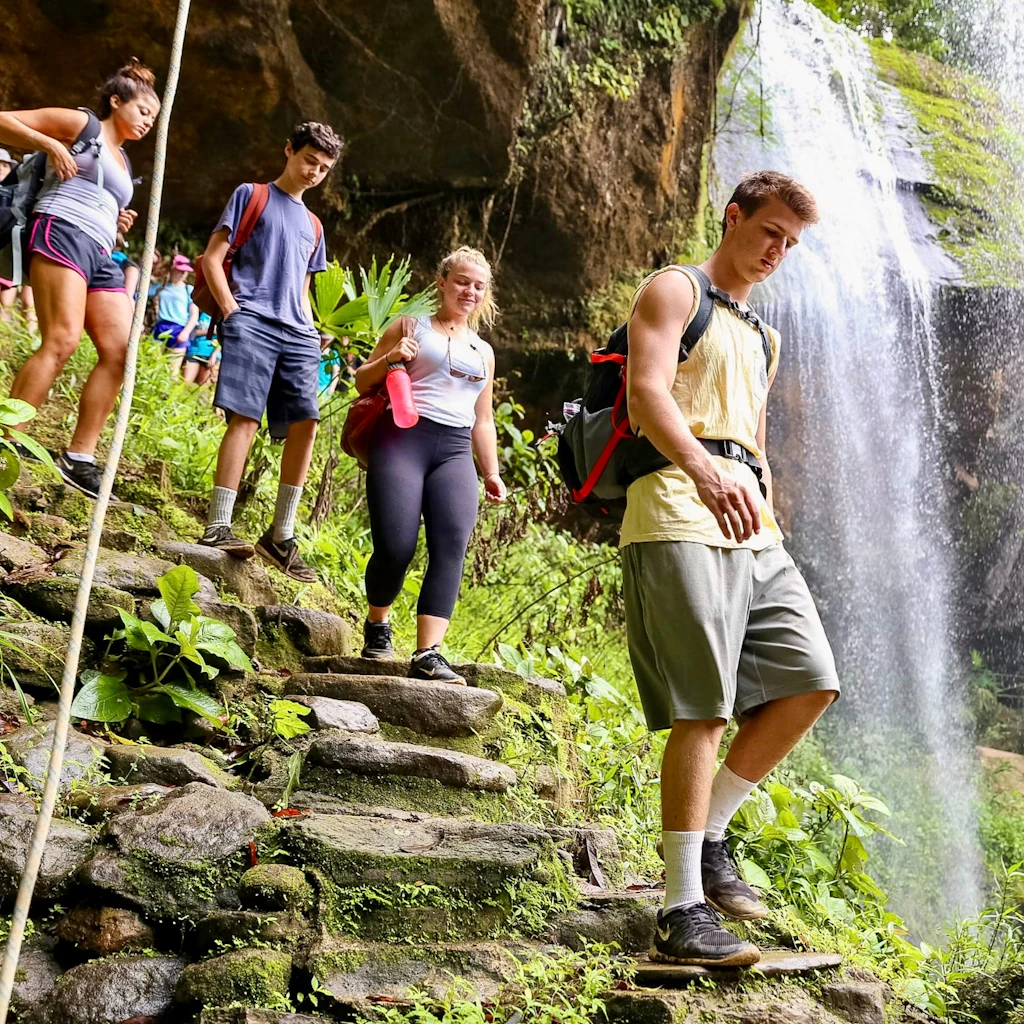
- If you want a more active project: Build a wellness challenge, charity run, sports day, yoga club, hiking group, or dance fundraiser.
- If you want a project with long-term school impact: Start a waste-reduction system, tutoring club, student publication, leadership conference, or recurring peer-support initiative.
- If you want a project that combines multiple CAS strands: A community arts event, sustainability campaign, student-led workshop series, or awareness campaign often blends creativity, activity, and service well.
Still narrowing it down? Compare your final shortlist against the CAS learning outcomes and the IB learner profile so your project is both practical and meaningful.
CAS Learning Outcomes: What IB Students Gain
The seven CAS learning outcomes are the benchmarks of the IB Diploma, shifting the focus from “counting hours” to proving real personal growth. They show that you have developed strengths, taken on new challenges, initiated and planned projects, shown perseverance, worked collaboratively, engaged with global issues, and made ethical decisions.
Through this process, CAS becomes more than a graduation requirement; it builds leadership, resilience, and emotional intelligence as you navigate setbacks, manage team dynamics, and see the real impact of your work. Approach your reflections with an “I learned / I changed” mindset, and your portfolio turns into a powerful story of growth that supports university applications, scholarships, and future career opportunities.