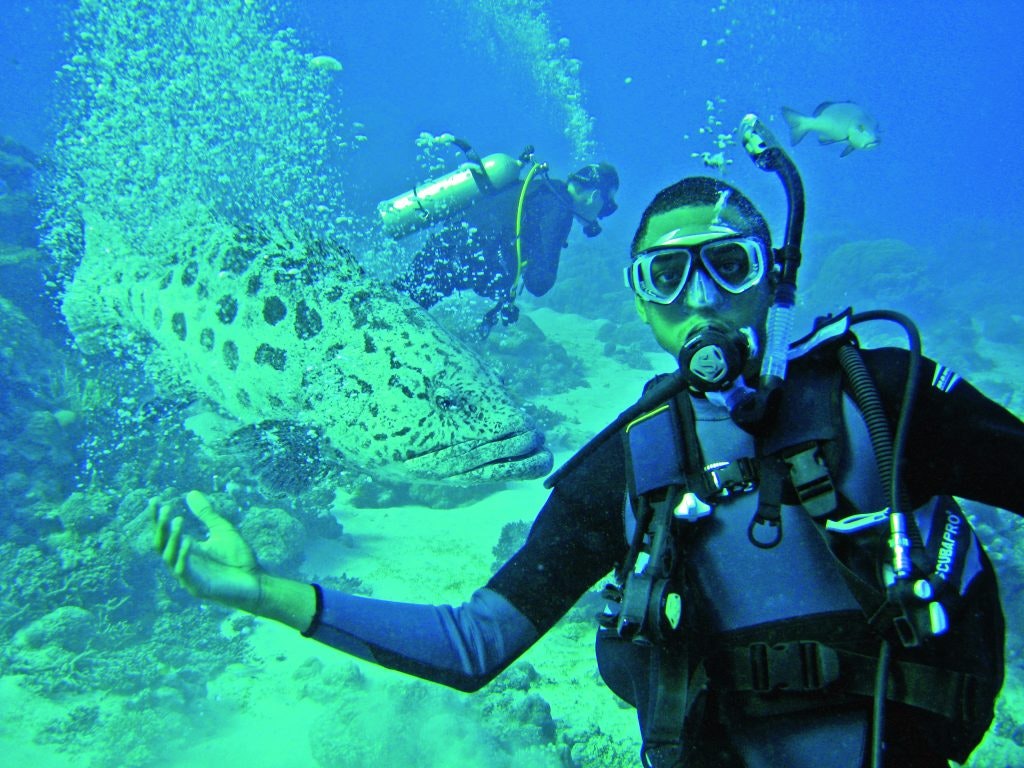
Learn to Dive Abroad: How to Earn Your PADI Open Water Certification

You can complete your PADI scuba diving certification abroad in 2 to 4 days while training in warm, crystal clear waters with certified diving instructors and student-safe travel programs. This guide explains the PADI Open Water Course, what you will learn, the best dive destinations, and how to choose the right student travel diving program.

View all Student Travel Programs

How to Get PADI Certified Abroad

Choose Your Dive Destination

Warm-water dive destinations such as Cozumel in Mexico, Punta Cana in the Dominican Republic, Koh Tao in Thailand, and Utila in Honduras are ideal for beginners. These regions offer calm seas, vibrant marine life, and trusted local dive centres.

Complete PADI eLearning Before Your Trip

Start the online theory portion of your open water course. You will learn the basics of scuba diving, including safety rules, buoyancy concepts, decompression understanding, and equipment use.

Train With a PADI-Certified Local Dive Centre

Once abroad, you will complete confined water sessions with licensed PADI diving instructors. These sessions include essential underwater skills like mask clearing, breathing control, buoyancy practice, and emergency procedures.

Finish Your Four Open Water Dives

The final step in your PADI scuba diving certification is completing four dives in open water. After demonstrating the required skills at the appropriate maximum depth, you earn your PADI Open Water Diver certification, recognized around the world.

Your Certification Journey

PADI eLearning

Complete the online theory before your trip.

Confined Water Training

Practice core skills in shallow, controlled water.

Four Open Water Dives

Demonstrate skills in real warm-water dives.

Why Learn to Dive Abroad

  • Complete Your Certification Fast: Most students finish the PADI Open Water course in just 2–4 days abroad.
  • Beginner-Friendly Environments: Train in warm, clear tropical waters that boost comfort, visibility, and confidence.
  • Trusted Safety for Students: Programs include certified instructors, small group sizes, and 24/7 medical support built for student travel.
  • See Vibrant Marine Life: Encounter coral reefs, tropical fish, and underwater ecosystems during your training.
  • Start Your Dive Journey: After getting certified, seamlessly advance to Advanced Open Water, Rescue Diver, or even Divemaster training.

Related: High School Volunteer Travel

What the PADI Open Water Diver Course Includes

Knowledge Development (Online)

Covers dive physics, buoyancy, underwater communication, and planning.

Confined Water Training

Build confidence and master buoyancy, breathing, mask clearing, and emergency skills in shallow water.

Open Water Dives

Complete four open water dives in warm, clear water with coral reefs and tropical fish.

Student Dive Programs and Who They Fit

Program Ideal For Certifications
Beginner Scuba Camp Ages 14 to 18 with no prior experience PADI Open Water Diver
Advanced Adventure Dive Ages 16 and older with OWD Advanced Open Water Diver
Scuba Journey Combo ages 16 and older who wish to take their diving skills to the next level OWD, AOW and Rescue Diver
Marine Biology and Dive Students interested in fish identification and ocean science OWD or AOW plus marine modules

Best Places to Learn to Dive Abroad

Cozumel Mexico

Warm, clear waters with shallow reefs and dive centers used to working with inexperienced divers.

Koh Tao, Thailand

Calm seas, trusted local dive centres, and excellent beginner conditions.
Travel Programs in Thailand Programs

Punta Cana, Dominican Republic

Great visibility, accessible reefs, warm waters, and shallow bottoms make for ideal conditions for beginners.
Travel Programs in the Dominican Republic

Utila, Honduras

Budget-friendly island with supportive instructors.

Safety, Prerequisites, Gear, and Student Support

  • Courses taught by certified PADI diving instructors.
  • Small group ratios for personalized instruction.
  • Fully serviced scuba equipment included in most programs.
  • Round-the-clock medical and travel support for all student programs.
  • Prerequisites: A 200 meter swim and a 10 minute float are required before certification.
  • Optional open water referral: Begin your course at home and finish your dives abroad.

Frequently Asked Questions

How old do I need to be?

The minimum age is 10 for Junior Open Water, but most student programs begin at age 14.

Do I need strong swimming skills?

You only need basic swimming skills. During your certification, you need to show that you can float and complete a short swim test.

Is it cheaper to get certified abroad?

Often yes, especially in warm-water regions where training is efficient year-round. The main value is faster completion and far better visibility compared to cold-water local training.

Will I see marine life during training?

Yes. Warm-water locations typically include coral reefs, tropical fish, and other highlights of the underwater world.

Can I complete the Advanced course on the same trip?

Yes. Many students complete their Open Water and Advanced Open Water Diver during the same vacation.