This article is a comprehensive guide to vetting, contracting, and monitoring providers for educational travel programs.
Managing subcontractor risk in teen travel programs requires systematic evaluation across nine categories, clear contractual frameworks, and ongoing monitoring. This guide covers each category in detail, along with activity-specific vetting considerations, safety records, essential contract elements, and protocols that protect teen travelers while enabling access to specialized expertise.
The framework reflects safety practices developed through 43 years of educational travel programming across 38 countries.
What Is a Teen Travel Program Subcontractor?

A teen travel program subcontractor is an independent entity contracted to deliver specific services (activity instruction, transportation, accommodation, or specialized support) within a larger educational or recreational program. Subcontractors operate under their own management, maintain their own insurance, and control how they perform their work, distinguishing them from employees who work under direct organizational supervision.
Teen travel program subcontractors fall into six primary categories:
| Provider Type | Services | Key Evaluation Criteria | Typical Risks |
|---|---|---|---|
| Activity Providers | Instruction and facilitation for specific activities (rafting, climbing, diving, trekking) | Technical certifications, equipment standards, incident history, staff qualifications | Activity-specific injuries, equipment failure, inadequate supervision |
| Transportation Providers | Ground transport, boat transfers, internal flights | Vehicle maintenance records, driver qualifications, insurance coverage, safety policies | Motor vehicle accidents, inadequate vehicle maintenance, driver fatigue |
| Accommodation Providers | Hotels, lodges, homestays, campsites | Security protocols, emergency procedures, sanitation standards, staff background checks | Security breaches, fire safety deficiencies, health hazards |
| Local Guides | Cultural interpretation, navigation, language support | Local knowledge, language proficiency, emergency training, child safeguarding awareness | Communication failures, inadequate emergency response capacity |
| Equipment Suppliers | Rental of specialized gear (kayaks, climbing equipment, camping gear) | Maintenance protocols, inspection schedules, replacement cycles, liability coverage | Equipment failure, inadequate maintenance, improper fitting |
| Medical Support Providers | Wilderness medicine, evacuation services, medical consultation | Credentials, response times, coverage areas, communication protocols | Delayed response, inadequate capability, coverage gaps |
Teen travel organizations use subcontractors for three primary reasons: to access specialized knowledge and skills unavailable internally, to utilize equipment or facilities that would be cost-prohibitive to own, and to potentially transfer certain operational risks to entities with specific expertise.
A school organizing a whitewater rafting experience, for example, benefits from a provider’s trained guides, specialized equipment, and established safety protocols rather than developing these capabilities internally.
The Risk-Reward Tradeoff of Using Providers
Subcontractors offer access to specialized expertise, equipment, and potential liability transfer, but they also introduce quality-control challenges that require systematic evaluation. Understanding this tradeoff shapes an effective provider management strategy.
Benefits of Using Subcontractors
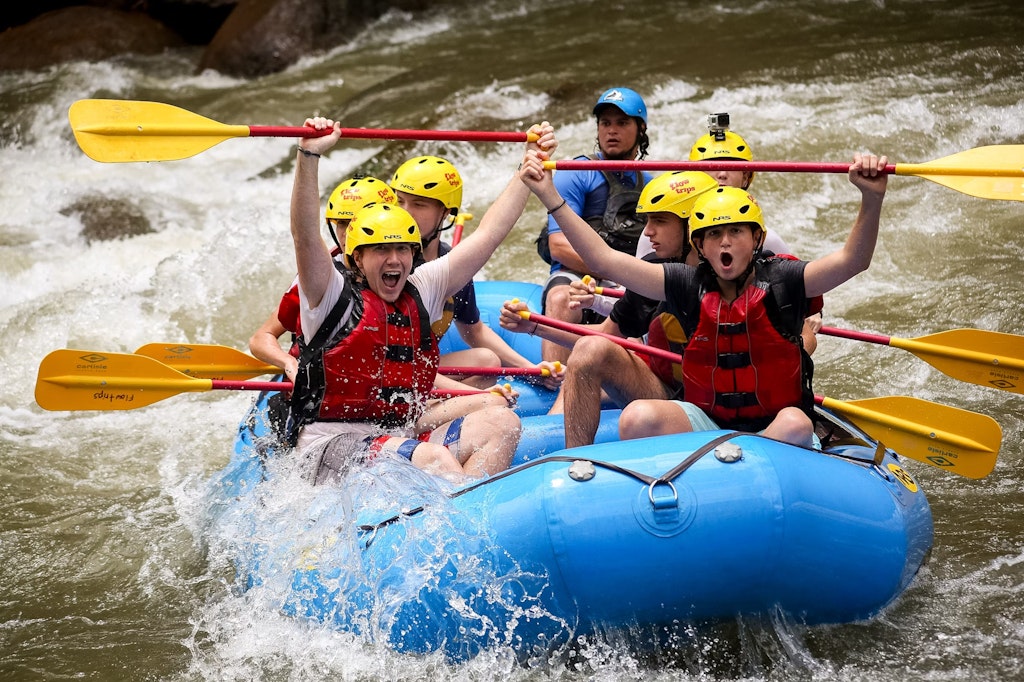
Specialized expertise. Activity providers bring technical competencies that would take years to develop internally. A challenge course operator maintains certifications, conducts regular inspections, and trains staff to standards that a school or youth organization cannot replicate cost-effectively.
Equipment and facilities. Subcontractors own and maintain specialized equipment (rafts, climbing gear, sailing vessels, challenge courses) that represents significant capital investment. Ongoing maintenance, inspection, and replacement cycles require dedicated expertise.
Potential risk transfer. Strategic use of qualified subcontractors can transfer operational risk to entities with appropriate expertise and insurance. A transportation provider with professional drivers, maintained vehicles, and commercial insurance may reduce both accident probability and organizational liability exposure compared to staff-driven transport.
Risks of Using Subcontractors

Quality control limitations. Organizations have less visibility into subcontractor operations than internal programs. Staff training, equipment maintenance, and safety protocol adherence occur outside direct organizational oversight.
Liability exposure. Poorly vetted subcontractors create liability risk. Courts have held organizations responsible for “negligent selection” when they fail to conduct adequate due diligence before engaging a provider. In one U.S. case, a property owner who hired an unvetted contractor faced a $2.7 million judgment after the contractor’s negligent work caused injury.
Participant expectations. Participants who enroll with a reputable organization expect that organization’s quality standards to apply throughout their experience. A subcontractor who fails to meet those standards damages the contracting organization’s reputation regardless of contractual arrangements.
Inherently dangerous activities. Some jurisdictions limit an organization’s ability to transfer liability for inherently dangerous activities. A school that hires a provider for whitewater kayaking in remote areas may be held liable, along with the provider, if an incident occurs, regardless of contractual indemnification provisions.
9 Categories for Evaluating Teen Travel Subcontractors
Organizations that pass third-party institutional vetting evaluate providers across nine categories:
- Safety Systems and Emergency Protocols
- Staff Qualifications and Training
- Insurance and Legal Compliance
- Equipment Standards and Maintenance
- Incident History and Transparency
- Activity-Specific Certifications
- Geographic and Cultural Competency
- Communication and Escalation Procedures
- References and Third-Party Verification
Each category requires documented evidence, not verbal assurances. Organizations should request written documentation, verify credentials independently, and maintain records demonstrating due diligence.
1. Safety Systems and Emergency Protocols for Teen Travel

Evaluate the provider’s documented safety management system. Request copies of emergency action plans, communication protocols, and incident response procedures. Assess whether plans are specific to the activities and locations where services will be delivered, not generic templates.
Key questions:
- Does the provider have written emergency procedures specific to each activity type?
- What communication systems exist for emergency notification?
- How quickly can the provider activate emergency response?
- What medical resources are available on-site versus requiring evacuation?
- Does the provider conduct regular emergency drills?
Rustic Pathways evaluates vendor emergency protocols against internal standards, including 8-minute team activation benchmarks and a 27-minute average parent notification time. Providers unable to demonstrate comparable responsiveness face additional scrutiny or rejection.
2. Staff Qualifications and Training

Request documentation of staff credentials, certifications, and training records. Verify that certifications are current and issued by recognized bodies. Assess the provider’s hiring standards, background check procedures, and ongoing training requirements.
Minimum standards to verify:
- Current first aid and CPR certification for all staff
- Activity-specific certifications from recognized governing bodies
- Background check completion (criminal, sex offender registry)
- Child safeguarding training where minors are involved
- Documented training hours (initial and ongoing)
Rustic Pathways requires all Program Leaders to complete 80 hours of training, maintain current certifications, and pass comprehensive background screening.
Organizations working with minors should verify that providers maintain two-deep leadership policies (no single adult alone with participants) and have established child safeguarding protocols.
3. Insurance and Legal Compliance in Teen Travel
Require providers to furnish a Certificate of Insurance (COI) showing current coverage, policy limits, and effective dates. Verify that the policy covers the specific activities to be performed and check for exclusions that might create coverage gaps.
| Coverage Type | Minimum Recommended | Verification |
|---|---|---|
| General Liability | $1M per occurrence, $2M aggregate | Request COI, verify with carrier |
| Professional Liability | $1M per occurrence | Request COI if applicable |
| Vehicle/Watercraft | State minimums or $1M | Request COI, verify vehicle coverage |
| Workers’ Compensation | As required by jurisdiction | Request COI |
| Umbrella/Excess | $5M+ for high-risk activities | Request COI |
Request that the provider name your organization as “additional insured” on their policy. Many insurers add this endorsement at no cost. Verify that policy limits are sufficient for the jurisdiction and activity type. $1M may be adequate for low-risk activities in some regions but insufficient for high-risk adventure activities or litigious jurisdictions.
4. Equipment Standards and Maintenance
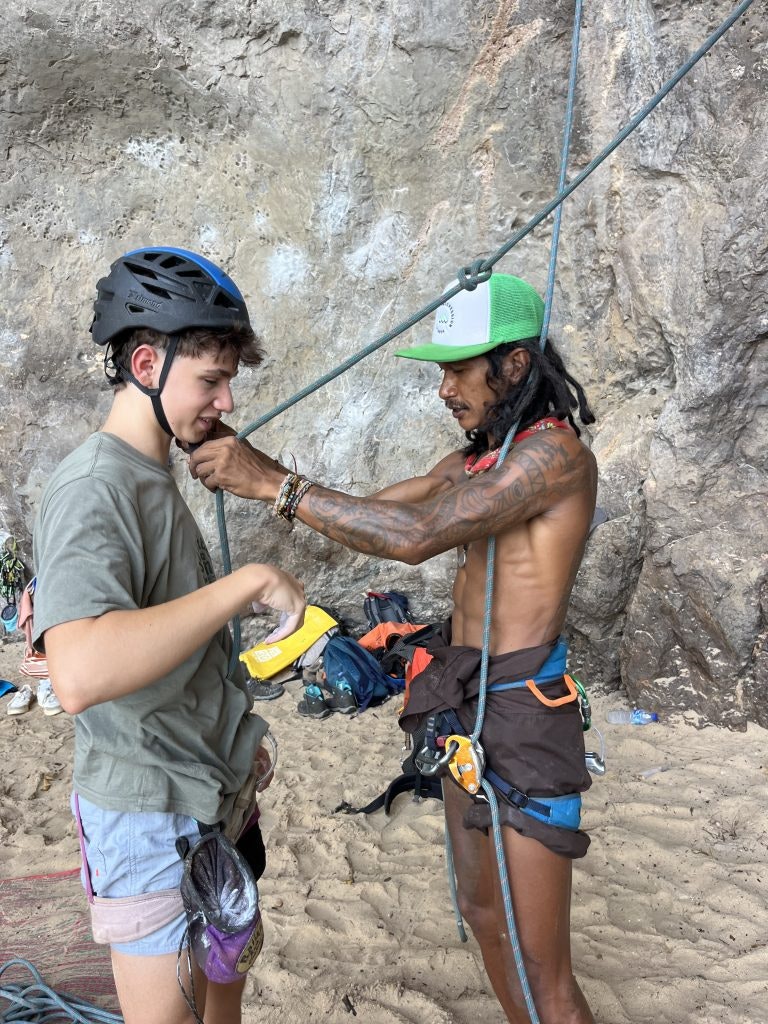
Assess the provider’s equipment management system, including selection criteria, inspection schedules, maintenance records, and retirement protocols. Equipment failure during activities can cause serious injury or death.
Request documentation of:
- Equipment inventory and age
- Inspection schedules and records
- Maintenance and repair logs
- Retirement criteria and replacement cycles
- Staff training on equipment use and inspection
- Compliance with manufacturer specifications
For technical equipment (climbing gear, watercraft, challenge course elements), verify that inspection and maintenance follow industry standards such as those published by ACCT (Association for Challenge Course Technology) or manufacturer guidelines.
5. Incident History and Transparency
Request the provider’s incident history for the past 5-10 years, including near-misses, injuries, insurance claims, and legal actions. A provider’s willingness to share this information signals their commitment to transparency; reluctance may indicate problems worth investigating.
Evaluate:
- Total incident volume relative to participant numbers
- Severity distribution (what percentage are minor versus serious)
- Patterns suggesting systemic issues
- How incidents were investigated and what changes resulted
- Any regulatory actions, license suspensions, or legal judgments
A provider with zero reported incidents over many years of operation may be underreporting rather than operating flawlessly. Organizations with mature safety cultures document and learn from minor incidents, not just serious ones.
Rustic Pathways is one of the few educational travel organizations to publish quarterly safety reports. Internal incident classification uses four severity tiers (GREEN for minor incidents requiring basic first aid, YELLOW for moderate incidents requiring medical facility visits, RED for life-threatening situations, and BLACK for external events impacting programs) with documented response protocols for each level.
6. Activity-Specific Certifications

Different activity types require different certifications from different governing bodies. Generic credentials are insufficient for teen travel activities.
| Activity Type | Relevant Certifications | Governing Bodies |
|---|---|---|
| Paddling (kayak, canoe, raft) | ACA Instructor Certification, Swiftwater Rescue | American Canoe Association, Rescue 3 International |
| Climbing/Rappelling | AMGA certification, site-specific training | American Mountain Guides Association |
| Challenge Courses | ACCT certification | Association for Challenge Course Technology |
| Diving | PADI/SSI/NAUI Instructor | Professional Association of Diving Instructors, others |
| Wilderness Trekking | WFR/WEMT, Leave No Trace Trainer | Wilderness Medical Society, Leave No Trace Center |
| Sailing | US Sailing certification, RYA | US Sailing, Royal Yachting Association |
Verify certifications directly with issuing organizations rather than accepting provider documentation at face value. Confirm that certified individuals will actually lead the activities your participants experience.
7. Geographic and Cultural Competency
Providers operating in specific regions should demonstrate local expertise beyond activity skills. This includes an understanding of local regulations, relationships with emergency services, cultural protocols, and language capability.
Evaluate:
- Years of operation in the specific location
- Relationships with local emergency services (hospitals, rescue teams, authorities)
- Knowledge of local regulations, permits, and access requirements
- Language capability (staff who can communicate with local services)
- Cultural competency relevant to participant interactions
- Established local supply chains and backup resources
A provider new to a region carries a higher risk than one with established operations, local relationships, and proven logistical capability.
8. Communication and Escalation Procedures
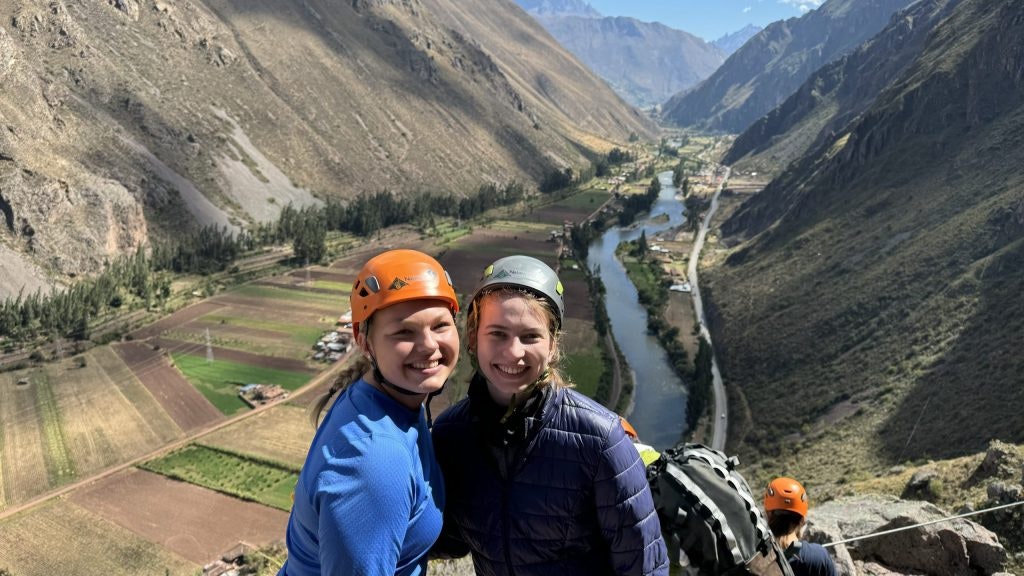
Assess how the provider will communicate with your organization during service delivery, particularly regarding safety concerns, incidents, and itinerary changes.
Document in advance:
- Primary and backup communication methods
- Check-in schedules and protocols
- Incident notification thresholds and timelines
- Escalation procedures for different severity levels
- After-hours emergency contact procedures
- Documentation and reporting requirements
Establish clear expectations for what constitutes an incident requiring notification, who receives notification, and within what timeframe. Ambiguity in communication protocols creates gaps that become apparent only during actual incidents.
9. References and Third-Party Verification
Contact organizations that have used the provider for similar services. Request references from organizations comparable to yours in participant demographics, activity types, and program structure.
Reference check questions:
- How long have you used this provider?
- What services do they deliver for you?
- Have you experienced any safety incidents? How were they handled?
- How responsive is the provider to concerns or requests?
- Would you recommend them without reservation?
- What would you change about working with them?
For organizations evaluating travel providers, Rustic Pathways publishes a guide to questions parents should ask before booking any program. This framework is equally applicable to institutional vetting.
Where available, check third-party verification sources: accreditation status, regulatory compliance records, online reviews, and industry reputation. Multiple sources provide a more reliable assessment than any single reference.
Activity-Specific Vetting Considerations
Different activity types carry different risk profiles, requiring activity-specific evaluation criteria, staff ratios, and certification requirements. Generic vetting protocols are insufficient for specialized activities.
Water-Based Activities

Water activities (rafting, kayaking, sailing, diving, swimming) require heightened scrutiny because of the risk of drowning.
| Factor | Standard |
|---|---|
| Required certifications | Activity-specific instructor certification plus lifeguard/swiftwater rescue |
| Equipment | Coast Guard-approved PFDs, properly sized and fitted |
| Site assessment | Water conditions, access points, emergency egress |
| Medical | Oxygen equipment on-site for diving; rescue throw bags for swiftwater |
Verify that the provider conducts pre-activity safety briefings, assesses participant swimming ability, and maintains rescue-ready positioning during activities.
Wilderness and Trekking Activities

Remote wilderness activities require self-sufficiency in medical response and evacuation capability.
| Factor | Standard |
|---|---|
| Required certifications | Wilderness First Responder (WFR) minimum for at least one leader |
| Communication | Satellite communication device (InReach, satellite phone) |
| Navigation | GPS capability plus map/compass backup |
| Evacuation | Pre-identified evacuation routes, helicopter landing zones if applicable |
Assess the provider’s capability to manage medical emergencies in remote settings where evacuation may take hours or days. Verify evacuation insurance coverage and pre-arranged relationships with evacuation service providers.
Teen Travel Adventure Activities (Challenge Courses, Climbing)
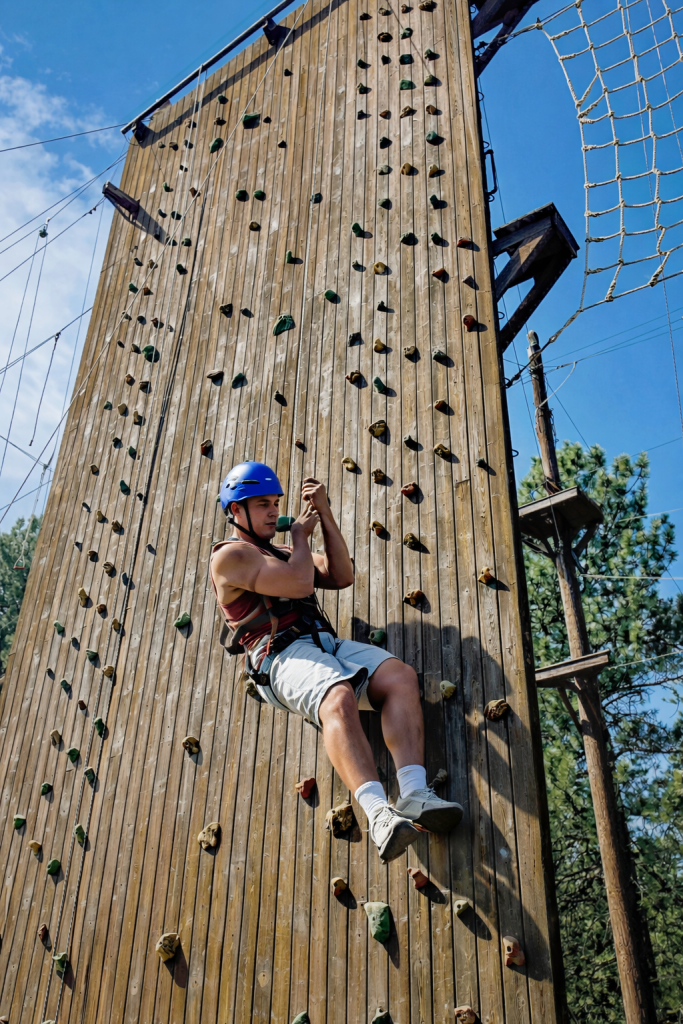
Vertical activities require technical expertise, specialized equipment inspection, and site-specific safety systems.
| Factor | Standard |
|---|---|
| Staff-to-participant ratio | Activity-dependent; typically 1:8 to 1:12 with proper belay systems |
| Required certifications | ACCT certification for challenge courses; AMGA or equivalent for climbing |
| Facility inspection | Annual third-party inspection by qualified inspector |
| Equipment inspection | Daily pre-use inspection documented; retirement schedules maintained |
| Rescue capability | Site-specific rescue plan; staff trained and equipped for rescue |
Request documentation of the most recent third-party facility inspection and verify that identified deficiencies have been addressed.
Transportation Providers

Transportation is one of the highest-risk activities in teen travel programs due to the frequency and severity of motor-vehicle accidents.
| Factor | Standard |
|---|---|
| Driver qualifications | Commercial license appropriate to vehicle; clean driving record |
| Vehicle maintenance | Documented maintenance schedule; pre-trip inspection protocol |
| Insurance | Commercial vehicle coverage with adequate limits |
| Policies | Seatbelt requirements; no night driving policy; fatigue management |
| Backup | Contingency plans for vehicle breakdown or accident |
Rustic Pathways maintains a Seatbelt Mandate (every student, verified every journey) and a No Night Driving policy (outside approved urban routes). In 2025, Rustic Pathways terminated three vendors for safety infractions, including transportation-related violations.
The Seven Standards Every Vendor Must Meet
The Written Agreement: Essential Contract Elements
A valid subcontractor agreement must establish an independent contractor relationship, specify insurance requirements, and include liability transfer provisions that protect both parties. Generic service agreements are insufficient for teen travel program contexts.
Required Contract Elements
A written subcontractor agreement should include:
- Scope of services. Specific description of activities, locations, dates, participant numbers, and deliverables.
- Independent contractor status. Clear statement that the relationship is contractor-contractee, not employer-employee, with provisions demonstrating contractor’s control over work methods.
- Insurance requirements. Minimum coverage types and limits; requirement to maintain coverage throughout service period; requirement to name contracting organization as additional insured; obligation to provide updated COI upon request.
- Indemnification. Contractor agrees to indemnify the contracting organization against claims arising from the contractor’s negligence, breach of contract, or failure to perform.
- Release of liability. Contractor releases the contracting organization from liability for any losses the contractor incurs during service delivery.
- Compliance requirements. Contractor’s obligation to comply with applicable laws, regulations, permits, and industry standards.
- Staff qualifications. Minimum qualifications for contractor staff, requirement to verify credentials, and background check requirements.
- Safety standards. Specific safety requirements, incident reporting obligations, and the right to inspect operations.
- Termination provisions. Conditions under which either party may terminate; notice requirements; consequences of termination for cause.
- Participant communication. Acknowledgment that participants will be informed of the contractor’s involvement; limitations on the contractor’s direct communication with participants.
Organizations should have contract elements reviewed by qualified legal counsel familiar with the jurisdiction of operations and the specific activity types involved.
Liability and Indemnification

Indemnification clauses specify that the contractor accepts responsibility for costs resulting from their activities. If a contractor’s negligence causes participant injury and the participant sues both the contractor and the contracting organization, the contractor would be liable to reimburse the organization’s legal costs and any judgment or settlement.
Indemnification provisions should:
- Cover negligence, breach of contract, and failure to perform
- Include defense costs, not just judgments
- Survive termination of the agreement
- Be mutual where appropriate (each party indemnifies the other for their own negligence)
Note that indemnification from a contractor with insufficient assets or insurance provides limited practical protection. Verify that indemnification is backed by adequate insurance coverage.
Insurance Requirements in Contracts
Specify minimum insurance requirements in the contract:
| Requirement | Purpose |
|---|---|
| Minimum coverage limits | Ensures adequate protection for potential claims |
| Additional insured status | Extends contractor’s coverage to protect your organization |
| Notice of cancellation | Contractor must notify you if coverage lapses |
| Waiver of subrogation | Prevents contractor’s insurer from seeking reimbursement from your organization |
| Coverage verification | Right to verify coverage directly with carrier |
Review contractor insurance annually and before each engagement period. Insurance lapses create unprotected exposure periods.
Termination Provisions
Contracts should specify grounds for immediate termination without penalty:
- Safety violations or incidents involving negligence
- Insurance lapse or failure to maintain required coverage
- Staff working without required certifications or background checks
- Breach of child safeguarding requirements
- Material misrepresentation in contractor evaluation
- Failure to report incidents as required
Clear termination provisions enable swift action when safety concerns emerge without contractual disputes about breach or damages.
Ongoing Monitoring: Before, During, and After

Subcontractor evaluation occurs at three stages: before engagement (due diligence), during service (real-time oversight), and after completion (performance assessment). Initial vetting is necessary but insufficient without ongoing monitoring.
Pre-Engagement Evaluation
Before engaging a provider, complete the nine-category evaluation documented above. Maintain records of evaluation activities, including:
- Completed questionnaire or assessment forms
- Copies of certifications and verification records
- Certificate of Insurance and policy review notes
- Reference check documentation
- Site visit or inspection notes (where applicable)
- Signed contract with all required provisions
Document the evaluation decision and rationale. If concerns were identified but the provider was approved, document the mitigating factors that supported approval.
Real-Time Oversight During Service
Organizations should maintain visibility into provider operations during service delivery. Mechanisms include:
Staff accompaniment. Organization staff accompanying participants can observe provider operations and intervene if concerns arise. Teachers chaperoning students on a provider-led activity serve both supervisory and evaluation functions.
Check-in protocols. Scheduled communication touchpoints provide an opportunity to identify emerging issues before they escalate.
Incident reporting. Require immediate notification of any incidents, near-misses, or safety concerns. Delayed reporting suggests either provider negligence or inadequate monitoring systems.
Participant feedback. Create channels for participants to report concerns during the experience, not just afterward.
If concerns arise during service delivery, organization staff should be empowered and trained to intervene, modify activities, or terminate the engagement if participant safety is at risk.
Post-Program Assessment
Following service completion, conduct a formal evaluation of provider performance:
- Debrief with accompanying staff on observations and concerns
- Collect participant feedback specifically addressing provider quality and safety
- Request the provider’s incident report and activity summary
- Review any incidents against the provider’s response and your expectations
- Document assessment findings and renewal recommendations
Performance assessment should inform future engagement decisions. Providers who meet or exceed expectations may warrant streamlined re-engagement processes. Providers with identified deficiencies should either demonstrate corrective action or be replaced.
When to Terminate a Provider Relationship
Provider relationships should be terminated when documented evidence reveals safety violations, insurance lapses, staff qualification failures, or repeated contractual breaches. Clear termination criteria enable decisive action while protecting against arbitrary or retaliatory termination claims.
Immediate Termination Triggers
Certain findings warrant immediate termination without opportunity to cure:
- Serious safety incident involving negligence
- Discovery of material misrepresentation during evaluation
- Staff working with participants without required background checks
- Child safeguarding violations
- Insurance coverage lapse (terminate until coverage restored)
- Criminal conduct by provider staff
- Regulatory action, license suspension, or legal judgment involving safety
Termination Following Opportunity to Cure
Less severe issues may warrant notification and opportunity to correct before termination:
- Documentation deficiencies (certifications expired, records incomplete)
- Minor contractual breaches (late reporting, communication lapses)
- Quality concerns not involving safety (customer service issues)
- Failure to maintain equipment to standard
Document the deficiency, specify required corrective action, and set a reasonable deadline. If corrective action is not completed satisfactorily, proceed with termination.
Replacement Planning

Maintain awareness of alternative providers for critical services. Single-source dependency creates vulnerability if termination becomes necessary. For essential services, pre-qualify backup providers who could be engaged on short notice.
Participant Communication About Subcontractor Use
Program participants (and parents of minors) must be informed in advance that subcontractors will deliver specific activities, with clear disclosure of which services are subcontracted. Participants who enroll expecting an organization’s direct delivery may have grounds for complaint if they discover services were subcontracted without disclosure.
Disclosure Requirements
Inform participants:
- That subcontractors will be used for specified activities
- Which specific activities will be delivered by subcontractors
- That subcontractors have been evaluated and selected by the organization
- That the organization is not responsible for subcontractor negligence (where legally appropriate)
Provide this disclosure:
- Before enrollment, so participants can factor it into their decision
- In writing, creating a record of disclosure
- With sufficient specificity to be meaningful (not just “third parties may be used”)
Participant Acknowledgment
Consider obtaining written acknowledgment from participants (and parents/guardians for minors) that they:
Understand that subcontractors will deliver specified services
Accept risks associated with subcontractor-delivered activities
Release the organization from liability for subcontractor negligence (to the extent enforceable in the jurisdiction)
Note that participant waivers have varying enforceability across jurisdictions and may be limited for inherently dangerous activities or where minors are involved. Legal counsel should review waiver language for the applicable jurisdiction.
Subcontractor Risk Within a Larger Safety System

Subcontractor management is one component of comprehensive risk management; isolated provider controls cannot compensate for deficiencies in organizational safety culture or emergency systems. Effective subcontractor risk management requires integration with broader safety frameworks.
The S·I·T Framework Applied to Teen Travel
Rustic Pathways structures all programming around the S·I·T Framework: Safety, Impact, Transformation. Safety is the foundation. Without it, neither impact nor transformation is possible. Subcontractor management falls within this safety foundation.
The Presence-First Safety Protocol operationalizes this framework through five elements:
- Vendor Vetting – Three-tier system evaluating providers by risk level; vendors terminated for safety failures
- Medical Protocols – Dedicated Medical Director, 24/7 access, emergency medical evacuation support
- Crisis Response Protocols – 8-minute team activation, 27-minute parent notification
- Incident Tracking – Published quarterly reports, GREEN/YELLOW/RED/BLACK classification
- Continuous Training – 80+ hours per staff member, monthly drills, annual recertification
Subcontractor vetting is one element of this integrated system. Provider quality matters, but organizational response capability, medical infrastructure, and trained staff provide redundancy when provider performance falls short.
Distributed Safety
Effective safety systems do not concentrate capability in single points of failure. Rustic Pathways employs a Distributed Safety Protocol where every leader carries emergency equipment and is authorized to respond independently.
This “kit-per-leader standard” eliminates the “Van 1 / Van 2 Problem” (when groups split and emergency equipment remains centralized with one safety lead who may not be present when incidents occur). Proximity determines response capability, not organizational hierarchy.
When evaluating subcontractors, assess whether their safety model relies on distributed capability or on a centralized response that may not be available when needed.
Standards Alignment
Organizations increasingly align subcontractor requirements with recognized standards frameworks. ISO 31030:2021 provides guidance on travel risk management for subcontractor evaluation and ongoing monitoring.
Institutional partners (schools, universities, and youth organizations) apply formal vetting processes before approving travel providers. These typically evaluate providers across the same nine categories outlined above: Safety and Security, Program Credibility, Educational Value, Logistics and Planning, Health and Wellness, Cost and Value, Parent Communication, Cultural and Legal Compliance, and Post-Trip Support. Rustic Pathways works with 321+ school partners who have completed this institutional vetting process.
Subcontractors who meet institutional vetting standards provide assurance beyond individual organizational assessment.
Summary: Key Principles for Subcontractor Risk Management
Evaluate systematically. Apply the nine-category framework consistently across all providers. Document evaluation activities and maintain records demonstrating due diligence.
Require documentation. Verbal assurances are insufficient. Request written policies, current certifications, insurance certificates, and incident history. Verify credentials independently.
Match evaluation to risk. Higher-risk activities require more rigorous evaluation. Water activities, wilderness operations, and adventure programming demand activity-specific assessment beyond general criteria.
Contract comprehensively. Written agreements should establish valid contractor relationships, specify insurance requirements, include indemnification provisions, and enable termination for safety violations.
Monitor continuously. Initial vetting is necessary but insufficient. Maintain oversight during service delivery and conduct post-program assessment to inform future decisions.
Integrate with broader systems. Subcontractor management is one component of organizational safety. Provider quality cannot compensate for deficiencies in emergency response, medical capability, or safety culture.
Communicate transparently. Inform participants that subcontractors will deliver specified services. Disclosure before enrollment enables informed decision-making.
Act decisively. When evidence indicates safety violations, lapses in insurance coverage, or failures in qualification, terminate relationships promptly. Clear termination criteria enable swift action.
Organizations that implement these principles systematically reduce subcontractor-related risk while accessing specialized expertise that enhances participant experiences.
This guide reflects operational practices developed over 43 years of educational travel programming across 38 countries. Rustic Pathways maintains partnerships with 321+ schools and has safely hosted over 155,000 students since 1983. For specific legal advice regarding subcontractor relationships, consult qualified legal counsel familiar with your jurisdiction and activities.