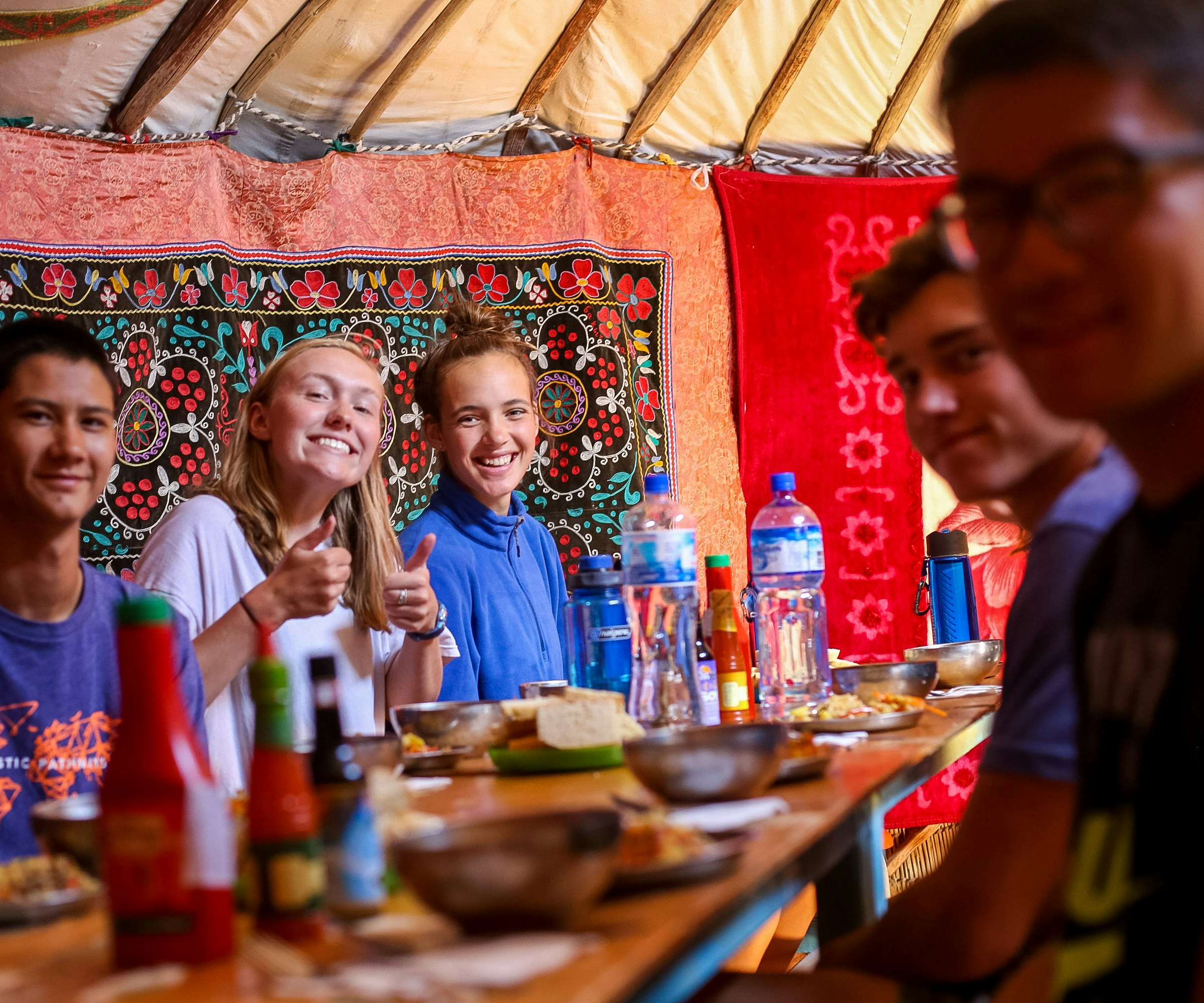
Pre-trip reflection questions help teachers prepare students before the group leaves campus. These questions give students a structured way to think about their own community, cultural expectations, personal responsibility, and the impact they may have while traveling.
For schools planning educational travel, student preparation should include more than packing lists and passport reminders. Strong pre-trip questions help students enter a new place with curiosity, humility, and a clearer sense of how travel connects to learning.
This guide gives teachers discussion prompts to use before a class trip abroad. The questions can be used in advisory, world language classes, social studies, service learning, pre-departure meetings, or reflection journals.
For broader trip planning, review the school group travel planning guide. For mid-trip and post-trip discussion, use these school trip reflection questions.
How to Use These Pre-Trip Questions With Students
Teachers can use these questions as written prompts, small-group discussion starters, advisory activities, or pre-departure journal entries. The goal is to help students think carefully before they encounter unfamiliar people, places, and expectations.
For best results, ask students to answer some questions individually first, then discuss selected prompts as a group. Teachers can return to the same questions during and after the trip to help students compare what they expected with what they actually experienced.
| Preparation Focus | Why It Matters |
|---|---|
| Community and identity | Helps students understand how they describe themselves and how others may see them. |
| Culture and expectations | Prepares students to notice differences without making broad assumptions. |
| Challenge and responsibility | Helps students anticipate discomfort, independence, and group expectations. |
| Impact and storytelling | Encourages students to think about how they represent host communities after travel. |
Pre-Trip Questions to Ask Students Before Educational Travel
1. How would you describe your own community in three sentences?
This question helps students recognize that every community is more complex than a simple label. Before students visit another place, they should practice describing their own community with detail, care, and specificity.
Follow-up prompts: What would a visitor notice first? What would take longer to understand? What questions would help someone learn about your community without relying on stereotypes?
2. What assumptions might people make about you when you travel?
Students often think about the culture they are visiting, but they also need to think about how they may be perceived. This question helps students consider identity, first impressions, and the role they play as visitors.
Follow-up prompts: What labels might people place on you? Which labels feel accurate, incomplete, or unfair? What would you want people to understand about you that may not be obvious at first?
3. What meal best represents your family or home culture?
Food gives students a familiar way to think about culture before they encounter new foods abroad. This prompt helps students distinguish between national food, family food, celebration food, and everyday food.
Follow-up prompts: Who prepares the meal? When do you eat it? What does it say about your family, community, or traditions? How might this help you ask better questions about food while traveling?
4. What part of the trip do you expect to be challenging?
Students may face homesickness, unfamiliar food, language barriers, group living, limited privacy, physical discomfort, or new social expectations. Naming these challenges before departure helps students prepare more realistically.
Follow-up prompts: What support might you need if this challenge happens? What can you do before departure to prepare? What are you most excited to experience?
5. What responsibilities do you have as a traveler?
Educational travel asks students to think beyond their own experience. Students should consider how their choices affect the group, the host community, the environment, their family, and their school.
Follow-up prompts: What does responsible travel look like in daily behavior? How can you reduce negative impact? What positive impact can you have through listening, participation, and respect?
6. How can you set clear expectations with your parents or guardians?
Parents and guardians place a great deal of trust in students during a class trip abroad. This question helps students think about communication, gratitude, independence, and personal responsibility before departure.
Follow-up prompts: What do your parents or guardians need to know before you leave? How will you communicate during the trip if communication is limited? How can you show gratitude for their support?
7. Who is the main character in the story you will tell after the trip?
This question helps students think carefully about how they describe host communities after travel. Students should avoid telling stories that make themselves the only focus or present local people as background characters in their personal growth story.
Follow-up prompts: How will you describe people you meet with dignity and accuracy? What details should remain private? How can you tell a story that shows collaboration, respect, and shared learning?
When to Ask These Questions Before a Class Trip Abroad
These questions work best when teachers use them across several pre-departure sessions rather than all at once. Students need time to think, write, discuss, and revise their ideas as the trip becomes more concrete.
- Early planning stage: Use community, identity, and expectations questions to introduce the purpose of the trip.
- After enrollment: Use challenge, responsibility, and parent communication questions to prepare students for group travel.
- Final pre-departure meeting: Use impact and storytelling questions to set expectations for respectful behavior and reflection.
- During and after travel: Return to the same questions to help students compare expectations with real experiences.
Teachers can also connect these prompts to project-based learning after the trip. For example, students can use their responses to build presentations, reflection essays, advisory discussions, or curriculum-connected projects.
Related resource: Traveling with Students: 5 Benefits for Teachers.
After students complete pre-trip preparation, teachers can continue the reflection process during and after travel with school trip reflection questions designed for on-program and post-trip discussion.
Related resources:
- Traveling with Students: 5 Benefits for Teachers
- How Adventure Travel Makes You a Better Educator
- 3 Spanish Curriculum Projects for a Teacher-Led Travel Program
Plan Student Preparation Into Your Educational Travel Program
Pre-trip questions help students approach travel with more preparation, purpose, and respect. Rustic Pathways partners with educators and schools to design educational travel programs that include student preparation, guided reflection, risk management, and curriculum-connected learning.
Explore educational travel, compare educational travel program types, or browse educator-led travel programs.
Contact Rustic Pathways to start planning a class trip abroad.