
Spanish curriculum becomes more meaningful when students can connect vocabulary, grammar, culture, and communication to real experiences. A teacher-led educational travel program gives Spanish teachers a structured way to move learning beyond the classroom while still supporting clear academic goals.
For schools planning educational travel, Spanish projects should not be treated as optional follow-up activities. They can be built into the full learning cycle: pre-trip preparation, on-program observation, and post-trip assessment.
The three project types below help Spanish teachers connect student travel to classroom outcomes. Each project can be adapted for novice, intermediate, or advanced learners and used as evidence of language growth, cultural understanding, and student reflection.
Teachers can also browse teacher-led travel programs to compare destinations, learning themes, program lengths, and travel formats that can support Spanish curriculum goals.
| Project Type | Curriculum Connection | Student Output |
|---|---|---|
| Family and Homestay Project | Family vocabulary, home vocabulary, descriptions, daily routines, present tense, past tense | Family tree, house model, oral presentation, digital book, reflection |
| Food and Recipe Project | Commands, sequencing language, ingredients, culture, regional identity | Recipe card, cooking demonstration, video, poster, short essay |
| Art, Music, or Dance Project | Cultural research, descriptive language, biography, comparison, presentation skills | Research project, gallery walk, performance, slideshow, oral presentation |
Spanish Curriculum Project #1: Create a Family and Homestay Project
A family project helps students connect Spanish vocabulary to daily life, relationships, routines, and home culture. This works especially well when students participate in a homestay or spend time with local families during a teacher-led travel program.
Rustic Pathways has arranged homestays in Spanish-speaking countries for more than 10 years. For Spanish teachers, this type of experience gives students firsthand context for vocabulary connected to family, housing, meals, chores, and daily routines.
Browse Rustic Pathways Homestay Programs
For novice learners, assign a family tree, or árbol de la familia, using names, relationships, ages, and short descriptions. For intermediate students, ask them to draw or build a model of the home where they stayed or visited. In each room of la casa, students can label objects, describe chores, and write short sentences about daily routines.
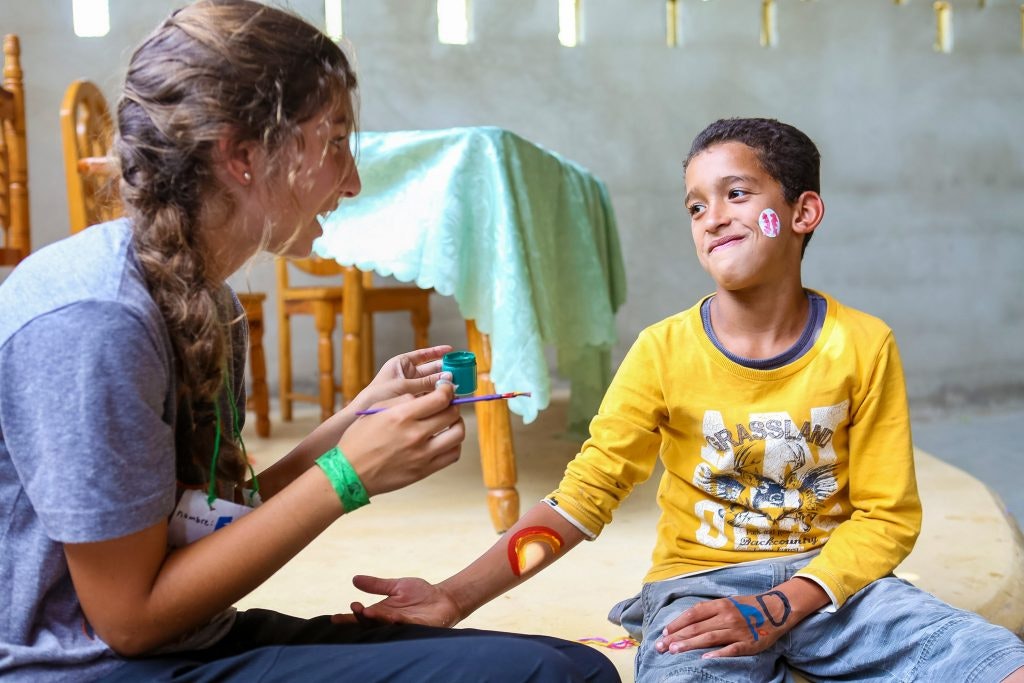
For an oral assessment, students can present their project in Spanish and answer classmates’ questions using target vocabulary. More advanced students can create a digital book, such as Mi Familia Dominicana or Mi Familia Peruana, using a tool like Book Creator. Students can upload trip photos, write captions in Spanish, and record audio on each page.
This project is useful because it connects language production to a specific lived experience. Students use family and home vocabulary to describe people, places, and routines they encountered during travel.
Spanish Curriculum Project #2: Connect Food, Recipes, and Commands
Food projects help students connect Spanish language learning to culture, geography, family traditions, and regional identity. After a teacher-led travel program, students can choose a dish they encountered during travel and use it as the basis for a speaking, writing, or presentation task.
If school logistics allow, teachers can work with the cafeteria, parent volunteers, or a world language department to organize a simple cooking lesson. If preparing food during the school day is not practical, students can complete a recipe project instead.
Ask students to choose a dish from the country they visited, list the ingredients in Spanish, and write the recipe using sequence words and command forms. Intermediate students can explain each step in Spanish. Advanced students can research the dish’s history, regional variations, or cultural significance and present their findings to the class.
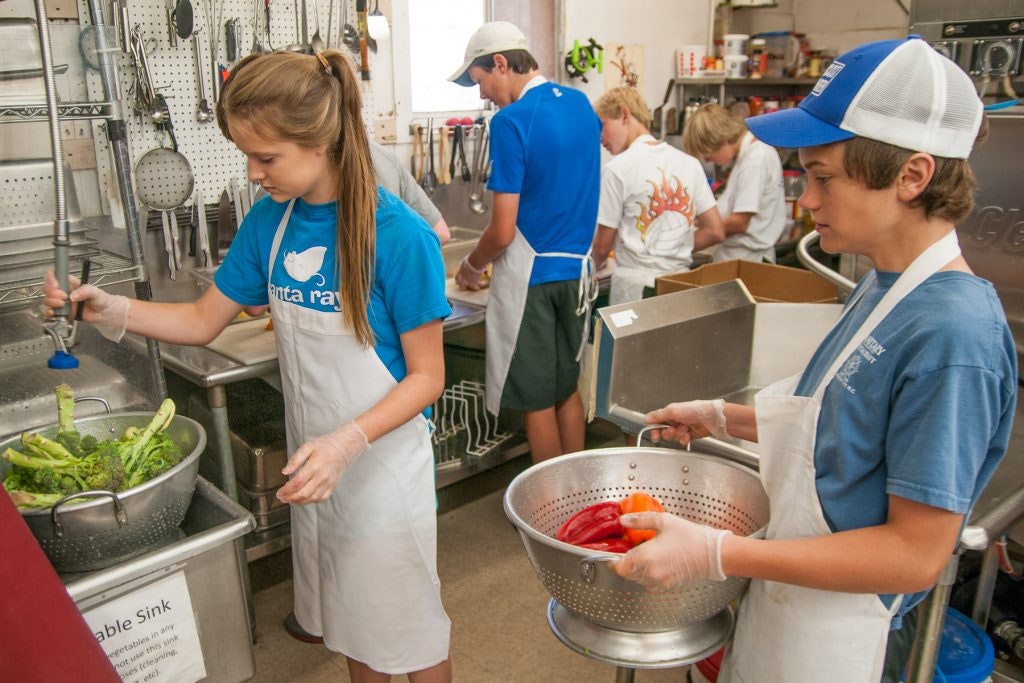
Students can also create a poster, write a short reflection, or film a video demonstrating each step of the cooking process. This gives teachers a flexible way to assess vocabulary, commands, pronunciation, sequencing, and cultural understanding.
For Spanish teachers, the benefit is clear: a food project turns a travel memory into a standards-aligned language task. Students practice grammar and vocabulary while explaining something connected to a real cultural experience.
Spanish Curriculum Project #3: Assign an Art, Music, or Dance Project
Art, music, and dance projects help students connect Spanish language learning to cultural expression. These projects are especially useful after travel because students can compare what they studied before departure with what they observed during the program.
One option is to assign a research project about an artist, musician, dancer, architect, or cultural tradition from the country students visited. Students can write a short biography, describe a selected work or tradition, and explain its connection to local culture.
For a more creative assessment, students can create their own rendering of an artwork, prepare a short performance, build a visual display, or speak from the point of view of the artist or cultural figure they studied. Presentations can be adjusted by level, from short scripted descriptions for novice learners to more detailed analysis for advanced students.
Many Rustic Pathways programs include opportunities to learn about music, dance, and local cultural traditions. Spanish teachers can extend those experiences by partnering with the school’s music, art, or dance teachers for an interdisciplinary project.
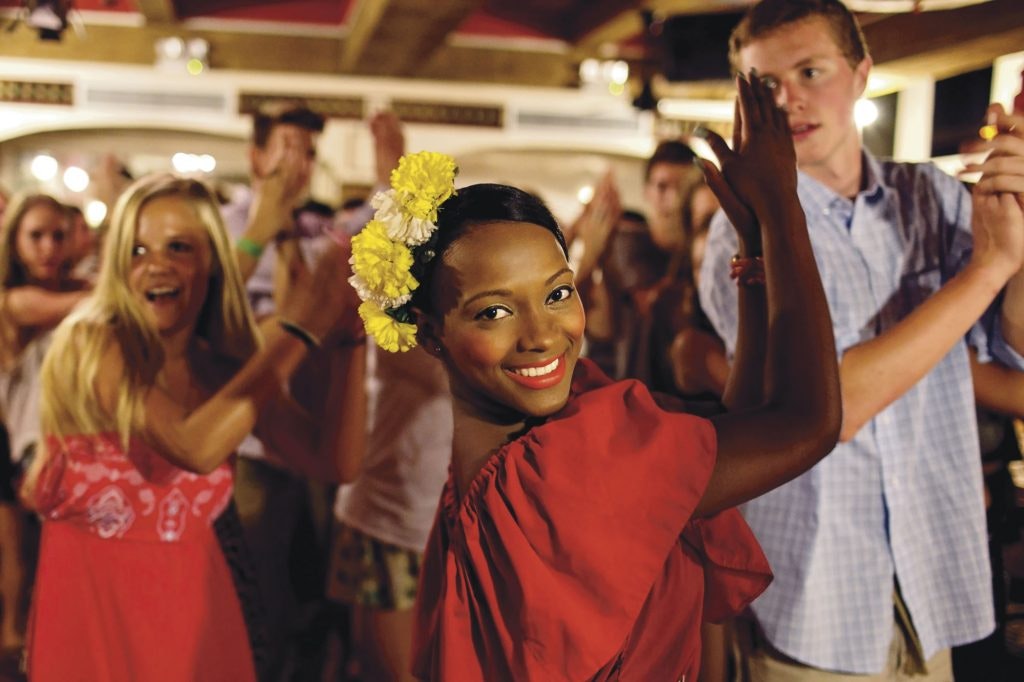
To close the project, teachers can organize a gallery walk, presentation day, or cultural showcase. Students can display their work, present in Spanish, answer questions, and explain how the project connects to their travel experience.
This type of project gives students a structured way to share what they learned with parents, teachers, and classmates. It also helps the broader school community see how educational travel can support language learning, cultural understanding, and student confidence.
How to Build Spanish Projects Into a Teacher-Led Travel Program
The strongest Spanish travel projects are planned before departure, not added after students return. Teachers can use the same project structure across the full travel cycle:
- Before travel: Introduce key vocabulary, cultural background, guiding questions, and project expectations.
- During travel: Ask students to collect observations, photos, interview notes, new vocabulary, and reflection journal entries.
- After travel: Use presentations, writing tasks, videos, gallery walks, or digital books to assess language growth and cultural understanding.
This structure helps students understand that travel is part of the curriculum, not a separate enrichment activity. It also gives teachers a clear way to show academic value to administrators, parents, and department leaders.
For additional planning support, review school group travel planning guidance or compare educational travel program types that can support language immersion, service learning, cultural immersion, and leadership development.
Plan a Spanish Curriculum Travel Program
Spanish curriculum projects work best when the travel experience is designed around clear learning goals. Rustic Pathways partners with educators and schools to build teacher-led travel programs that connect classroom instruction with language practice, cultural immersion, service learning, and student reflection.
Explore educational travel, compare educational travel program types, or browse teacher-led travel programs.
Contact Rustic Pathways to start planning a curriculum-connected Spanish travel program.