


On the second morning of an island-hopping school group trip in Thailand, something unexpected happened.
Two seniors rearranged the tables and chairs in the dining area to make one large table for all 20 students to eat together.
No one asked them to. They decided on their own that it was up to the seniors to lead from the front and set the tone for the trip.
By the end of breakfast, grade 9–12 students, many of whom had barely spoken before the trip, were playing games and laughing together. Everyone was included.
It was a small moment. But it captures something important about how school group travel builds confidence in students: real growth doesn’t always come from the planned activities. Often, it comes from students taking initiative and shaping their own experiences.

What Makes Student Travel Programs So Effective?
Parents and teachers often ask what students gain from educational travel.
The answer isn’t just cultural exposure or outdoor adventure. The real value lies in how quickly students begin to:
- Step outside familiar social groups
- Take initiative in unfamiliar situations
- Support each other through challenges
On this trip, those changes started happening almost immediately.
From the start, the teachers deliberately grouped students with peers they didn’t already know well. The goal was to encourage students to form new connections, one of the most important benefits of educational travel.
Sometimes, that kind of structure can feel forced.
But in this case, something different happened.
When Students Take Ownership of the Experience

On the third day of the trip, we arrived on Ko Adang and settled into our new accommodation.
Room assignments were announced, organized by grade and who the students had indicated they wanted to room with.
Shortly after, the same senior who co-initiated the group dining approached the teachers with a request from the contingent of boys.
Instead of rooming with their friends, could they mix it up further? They wanted to pair seniors with freshmen and sophomores with juniors so that the older students could support the younger ones and get to know each other better.
The teachers and Rustic Pathways Program Leaders were stunned. The students were deliberately stepping out of their comfort zones.
It wasn’t prompted.
It wasn’t required.
It was student-led.
Moments like this highlight how travel builds confidence in students: they begin to take ownership of their experiences. They don’t just participate, they shape the trip.
Growth Happens Outside the Comfort Zone: How Travel Builds Confidence in Students
Of course, personal growth isn’t always comfortable.
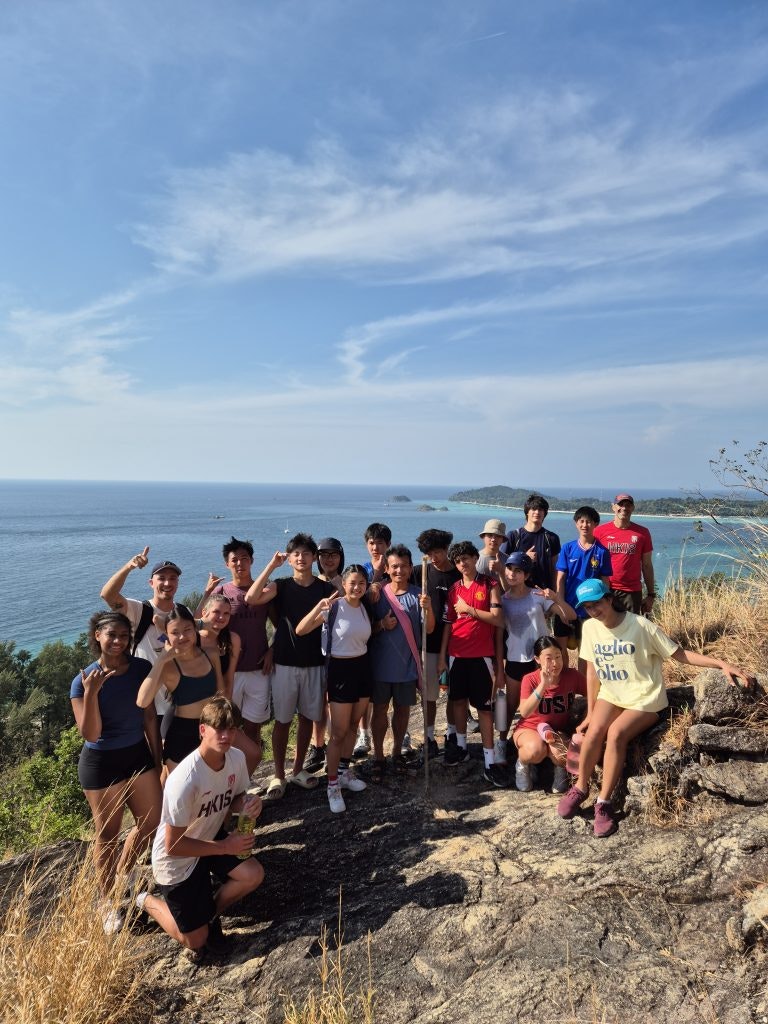
On the last full day of the program, we set out on a hike to a viewpoint on Ko Adang.
We told the students to climb at least as far as the first of three viewpoints. After that, anyone who was too tired to continue could turn back.
The whole group reached the first viewpoint for a group photo. Here, a handful of students turned back with one of the program leaders.
At the second viewpoint, a few more turned back.
One student, who had been particularly vocal about disliking hiking, decided to keep going, determined to reach the top.
Suddenly, at a steep section requiring some scrambling, she stopped, turned to me with tears in her eyes, and said she’d had enough.
And that’s where the real learning happened.
Confidence Doesn’t Always Mean Reaching the Top
Instead of pushing her to continue, we paused.
We sat down, had some water, and took a moment to reset.
She was overwhelmed and started panicking, but she didn’t shut down.
After a few minutes, when she had composed herself, we turned back.
Step by step, we slowly made our way down, talking about school, her family, and the netball team she plays for back home. By the time we reached the bottom, she was smiling and walking with confidence again.
She didn’t make it to the top of the hill.
But she learned something more important:
- How to recognize her limits
- How to manage stress in a challenging moment
- How to recover and keep going
This is what experiential travel programs do best. They create situations where students test themselves, not in a classroom, but in the real world.
Why Student Travel Is About More Than Travel
Adventure activities like hiking, snorkeling, and kayaking aren’t just included for fun.
They give students opportunities to:
- Discover new interests
- Build resilience
- Support each other as a group
Sometimes, students learn what they don’t enjoy, and that’s valuable too.
What matters is that they try.
The Real Student Travel Benefits
Looking back, what stands out most from this trip isn’t a single activity or destination.
It’s how quickly the group transformed.
Students who started as individuals became a cohesive, supportive community. They challenged themselves socially and physically. And in many cases, they surprised themselves.
That’s the real impact of student group travel experiences.
Not just where students go, but who they become.
The goal of student travel isn’t to push every student to their limit.
Sometimes, the most meaningful growth comes from knowing when to stop, regroup, and try again.
And sometimes, it starts with something as simple as pulling a few tables together so everyone can sit together as a group.
Ready to see what your students are capable of outside their comfort zone? Contact Rustic Pathways to discuss your school’s needs.
