


Place-based experiential learning (PBEL) is an instructional approach where students learn from a real community, ecosystem, or cultural setting, not just about it. Rustic Pathways applies PBEL globally through long-standing community partnerships, making place, not the classroom, the primary instructor.
PBEL blends place-based education and experiential learning by requiring on-location experiences plus guided reflection that transforms real encounters into applied insight. In short, PBEL is learning that occurs in real places, with local communities, through guided reflection.
What You’ll Learn
In this guide, you’ll learn:
- What PBEL is and how it works
- How PBEL differs from place-based and experiential learning
- Real examples teachers can apply immediately
- Curriculum design steps
- Benefits backed by research
- How Rustic Pathways delivers PBEL through the Shared Humanity Model
PBEL blends principles from John Dewey’s progressive education, David Kolb’s experiential learning cycle, and community-based learning models to position place as the primary instructor. Instead of learning about the world from a distance, learners can unlock community-held knowledge.
Kolb’s model builds on Kurt Lewin’s foundational work on experiential learning and reflective observation, both of which become more powerful when applied to a real place. PBEL also echoes Paulo Freire’s emphasis on learning through dialogue and community relationships, where knowledge is constructed collaboratively rather than delivered passively.
Together, Dewey, Kolb, Lewin, and Freire form the theoretical lineage that PBEL builds upon, linking experience, reflection, community dialogue, and action. PBEL follows the experiential learning cycle: Experience → Reflection → Understanding → Action, but grounds each phase in the ecological, cultural, or social realities of a specific location. Rustic Pathways operationalizes this lineage having local practitioners guide students in the real conditions that shape knowledge.
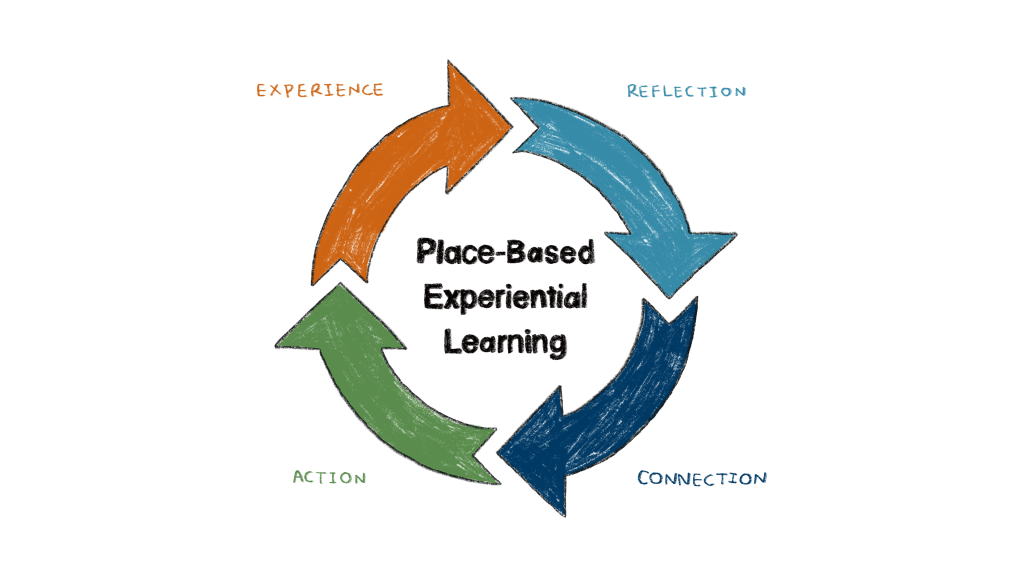
The Place-based Experiential Learning Cycle
What Is Place-Based Experiential Learning (PBEL)?
PBEL at a Glance
| Attribute | PBEL Expression |
|---|---|
| Learning Environment | Real communities, ecosystems, cultural settings |
| Primary Method | Hands-on, community-embedded tasks |
| Key Cognitive Process | Guided reflection tied to place |
| Core Outcomes | Environmental citizenship, cultural humility, agency |
| Differentiator | Students learn with people who live the knowledge |
Why PBEL Matters Now
PBEL addresses urgent educational needs of student engagement, cultural understanding, environmental responsibility, and real-world competency development. As schools shift toward authentic, community-connected learning models, PBEL provides a structured way to transform local places into meaningful instructional environments.
Programs built on these principles are often delivered through structured educational travel experiences that connect students directly with communities and ecosystems.
Key Concepts and Distinctions
How PBEL Differs from Similar Approaches
| Approach | Primary Focus | What PBEL Adds |
|---|---|---|
| Place-Based Education | Learning about community, ecology, or culture | Adds required on-site experiences and guided reflection |
| Experiential Learning | Learning through doing | Grounds experiences in a specific place and its people |
| PBEL | Experience + place + reflection | Produces deeper understanding, civic responsibility, and agency |
Both Place-Based Education and PBEL support academic achievement and environmental awareness, but PBEL deepens the emotional and relational dimensions of learning. This means PBEL operates as the experiential branch of place-based education, where action and reflection occur on-site rather than through classroom simulation.
Place-Based Education
Place-based education is the broader category; PBEL is the applied, high-intensity subset within it. Place-based education focuses on using the local area, school grounds, and surrounding community as sites for learning.
Experiential Learning (Kolb + Context)
Kolb’s Experiential Learning Cycle — Experience → Reflection → Understanding → Action — serves as PBEL’s cognitive backbone.
PBEL strengthens each step by anchoring learning in:
- physical place
- social context
- cultural knowledge
- environmental realities
Core Principles and Implementation of PBEL
Key Principles of Place-Based Experiential Learning
- Local community, ecology, and cultural landscape as an active instructional environment.
- Hands-on, community-integrated tasks tied to real conditions and lived expertise.
- Reciprocal, community-based education.
- Integration across subjects (science, social studies, language arts, history).
- Reflection-activated meaning-making that turns experience into applied understanding.
- Multiple environments (school grounds, natural areas, cultural spaces).
- Emphasis on environmental awareness and social relationships.
- Greater attachment to place and stronger academic outcomes.
Students learn directly from:
- elders, artisans, and cultural leaders
- conservationists and scientists
- small-business owners
- nonprofit partners
- community educators
This builds both contextual understanding and cultural humility.
Students Learn With, Not About, Communities
PBEL emphasizes:
- reciprocity
- shared work
- mutual respect
- community voice & leadership
Authentic, Hands-On Experiences
Examples of these activities include:
- testing water quality alongside a local watershed organization
- conducting oral-history interviews with community elders
- completing habitat surveys with conservation partners
- mapping cultural spaces with Indigenous knowledge keepers
- exploring food systems at a working community farm
These activities develop environmental citizenship, agency, and real-world skills.
Reflection Turns Experience Into Understanding
Guided reflection allows understanding to deepen and transfer into other areas of life. Students process:
- assumptions
- emotions
- cultural perspectives
- interpersonal dynamics
- environmental insights
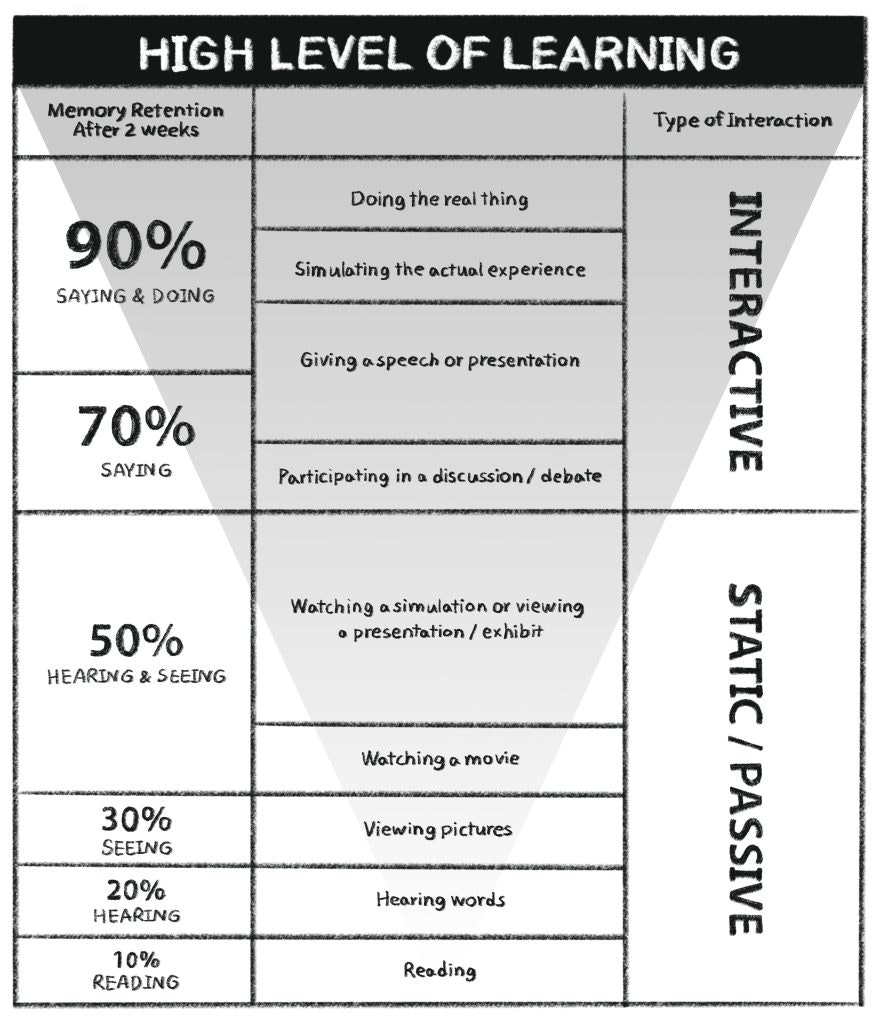
Interactive learning improves memory retention compared to static/passive learning.
Building a PBEL Curriculum
How to Build a PBEL Curriculum
A strong PBEL curriculum follows a clear cycle that connects experience, reflection, and action:
- Identify community assets relevant to your subject.
- Select a real-world challenge grounded in place.
- Design on-location experiences with community partners.
- Use structured reflection prompts to convert experience into meaning.
- Connect insights to academic standards and disciplinary concepts.
- Support student-led action or synthesis so learning creates impact.
PBEL Curriculum Attribute Layers
A place-based curriculum is built on three attribute layers:
- Prominent attributes – elements that define the place, ecosystem, culture, community history
- Relevant attributes – issues students can investigate like water quality, land use, cultural practices
- Popular attributes – student-interest or community-priority areas
Identify Local Primary Resources
A place-based curriculum uses the local environment, local culture, and local community to enhance academic learning. Identify resources such as:
- rivers, forests, beaches, parks
- museums and cultural centers
- local businesses and artisans
- environmental, health, or social organizations
Use Hands-On, Authentic Tasks
- field measurements
- water quality testing
- oral histories
- cultural arts
- environmental stewardship
Integrate Across Subjects
PBEL is effective in:
- science
- social studies
- language arts
- history
- environmental education
Build Community Partnerships
Communities become co-educators, not simply project sites.
Teacher Training & Support
Teachers benefit from:
- cultural self-awareness
- facilitation strategies
- contextual learning design
- reflective practice
- collaboration with school staff and community partners
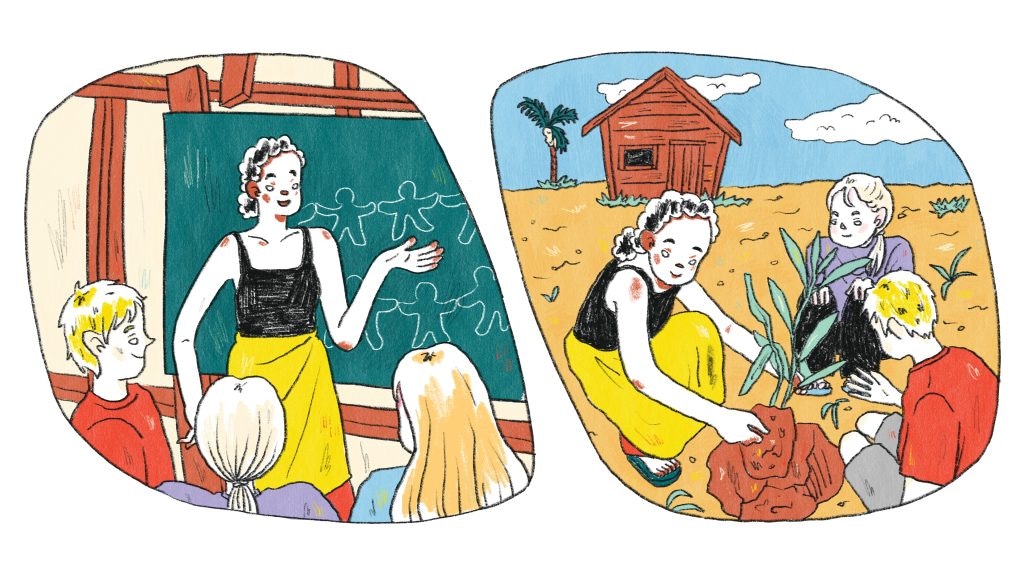
Place-based Experiential Learning uses the local environment, local culture, and local community to enhance academic learning.
PBEL Across the Curriculum
Environmental Science & Sustainability
- biodiversity surveys
- land use analysis
- environmental justice exploration
- climate resilience studies
Social Studies, History & Civics
- participatory mapping of neighborhood assets
- mapping cultural commons
- investigating local history
- studying communities & governance
- oral history projects
Language Arts
- narrative documentation
- reflective writing
- interviewing community members
- cross-cultural communication
STEM & Digital Technologies
- GIS tools
- mapping and data visualization
- digital storytelling
- multimedia field documentation
- sensor-based data collection in local ecosystems
Benefits and Research of PBEL
PBEL strengthens academic, social, and emotional development by connecting learning to lived reality.
Academic Outcomes
PBEL enhances:
- conceptual understanding
- writing quality
- scientific reasoning
- critical thinking
Social-Emotional Growth
Students develop:
- confidence
- cultural humility
- emotional intelligence
- empathy
Other Key Benefits of PBEL
- Increases transfer of learning because concepts appear in real conditions.
- Builds cultural humility through relationship-centered learning.
- Strengthens systems thinking across ecological, cultural, and social domains.
- Enhances student agency by positioning young people as contributors, not observers.
- Improves engagement and retention through authentic, place-centered tasks.
- Environmental Citizenship: PBEL helps students understand environmental issues in context, strengthening stewardship and responsibility.
- Belonging & Social Relationships: Field learning builds trust, strengthens group dynamics, and fosters community among peers.
Place Based Experiential Learning (PBEL) vs. Traditional Experiential Learning
| Category | Experiential Learning | PBEL |
|---|---|---|
| Context | Generalized setting | Specific place with community |
| Knowledge Source | Instructor + activity | Local experts + lived environment |
| Reflection Focus | Personal insight | Insight tied to place & community |
| Outcome | Skill mastery | Agency, cultural humility, ecological literacy |
Systematic Review (Research Findings)
Research supports PBEL’s effectiveness. An NSF-funded study (Angstmann et al., 2019) found that place attachment and meaning had significant predictive power over civic mindedness scores, explaining 57% of the variance. Courses with higher PBEL implementation fidelity showed statistically significant improvements in both place attachment and civic engagement.
Teachers report that PBEL helps students become more curious, more collaborative, and more engaged.
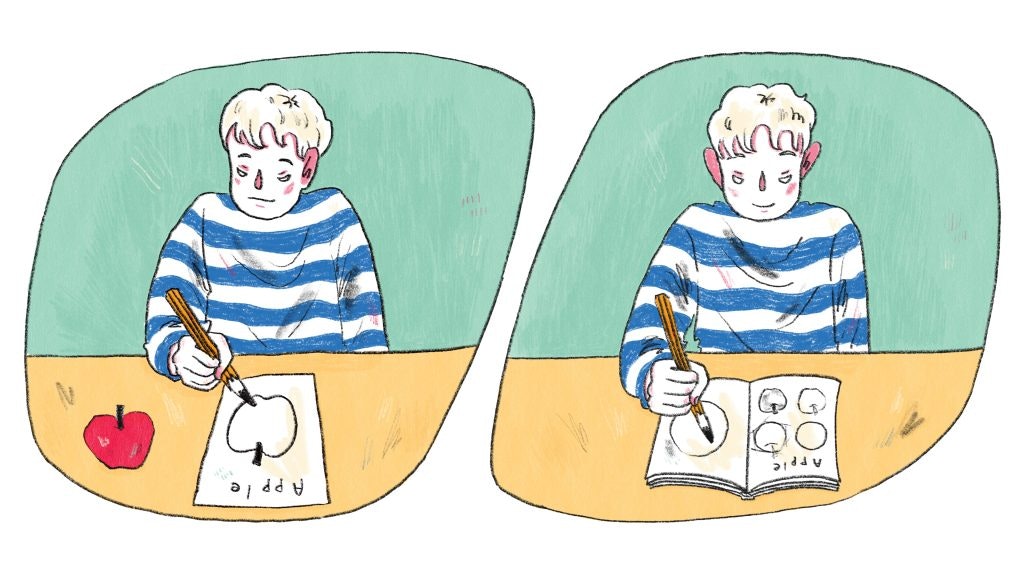
Experiential learning yields better results than passive learning.
Who PBEL Works Best For
PBEL is especially effective for:
- middle and high school learners
- interdisciplinary, project-based classrooms
- students who benefit from hands-on or community-centered instruction
- programs focused on environmental, cultural, or civic learning
Challenges and Considerations of PBEL
Educators note that PBEL requires:
- thoughtful community partnership development
- adequate planning time
- teacher preparation in facilitation and cultural humility
- clear safety and risk-management practices
- administrative support
Few teachers implement PBEL without training, highlighting the importance of teacher preparation and community support.
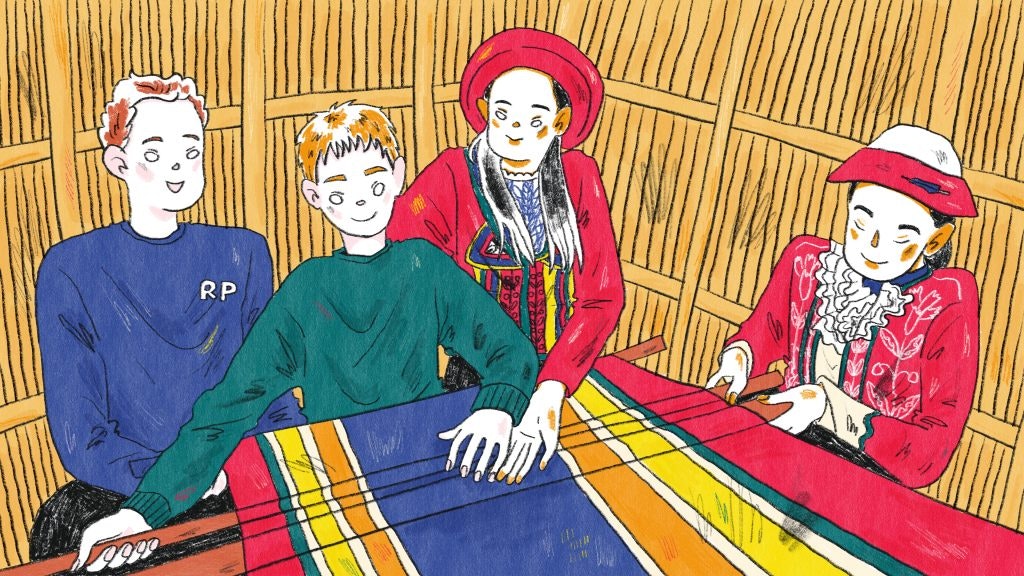
Rustic Pathways program leaders support students during all program hours.
How Rustic Pathways Practices PBEL
Rustic Pathways is a global leader in place-based experiential learning, applying PBEL principles across diverse cultural and ecological contexts.
Rustic Pathways’ Core Principles
- Learning happens where life unfolds. Students visit real people, real environments, and real situations, gaining understanding that cannot be replicated in a traditional classroom.
- Experience becomes understanding only through the process of reflection and connection. Guided reflection transforms activity into insight, and insight into meaningful action.
The Shared Humanity Model
Rustic’s learning framework guides students through: Experience → Reflection → Connection → Action.
Anchors:
- Mutual Learning
- Humility in Perspective
- Connection Through Experience
- Reciprocity in Partnership
- Action Through Reflection
Examples From the Field:
- Weaving traditions with elders in Thailand
- Mangrove restoration with Costa Rican partners
- Cultural cooking with families in Fiji
- Community health projects in the Dominican Republic
- Resilience-building during eco-stove construction in Peru
Community-as-Co-Educator
Rustic’s global partners are not “hosts,” but educators who shape learning experiences. This ensures:
- reciprocity
- sustainability
- cultural respect
- authentic learning
- long-term partnership integrity
“At the Actual Place”: Leaders Stay With Students
Program Leaders remain with students during all program hours, not behind screens or away from the action. This model supports:
- safety
- social-emotional wellbeing
- contextual learning
- reflection facilitation
- community partnership quality
Examples of Place-Based Experiential Learning Activities
- community mapping & oral histories
- reforestation & mangrove restoration
- freshwater ecosystem studies
- intercultural arts & food traditions
- youth–elder dialogue
- school partnership projects
- digital storytelling using local narratives
- exploration of social justice issues
