Take 3: We Need Better Service Learning
While service learning programs deliver results, the reality is that programs need deeper integration into school curriculum to be most effective.
Research shows that when service-learning is deeply embedded into academic structures, student test scores and overall performance improve significantly. High-quality programs include:
- Clear academic goals
- Reflection
- Longer duration
This approach empirically delivers the best results. Yet, many schools still treat service-learning as an afterthought or a short-term initiative, blunting its impact.
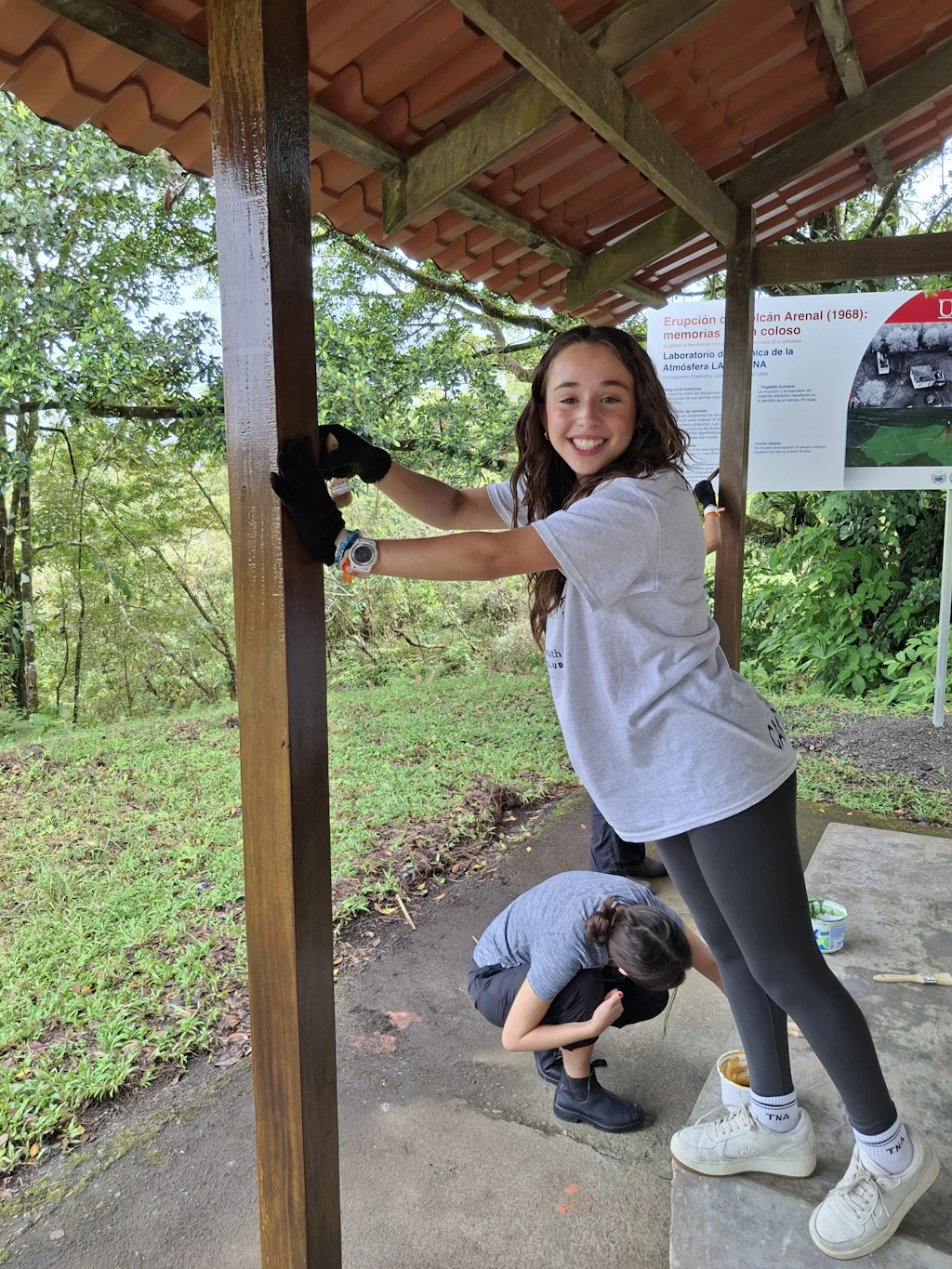
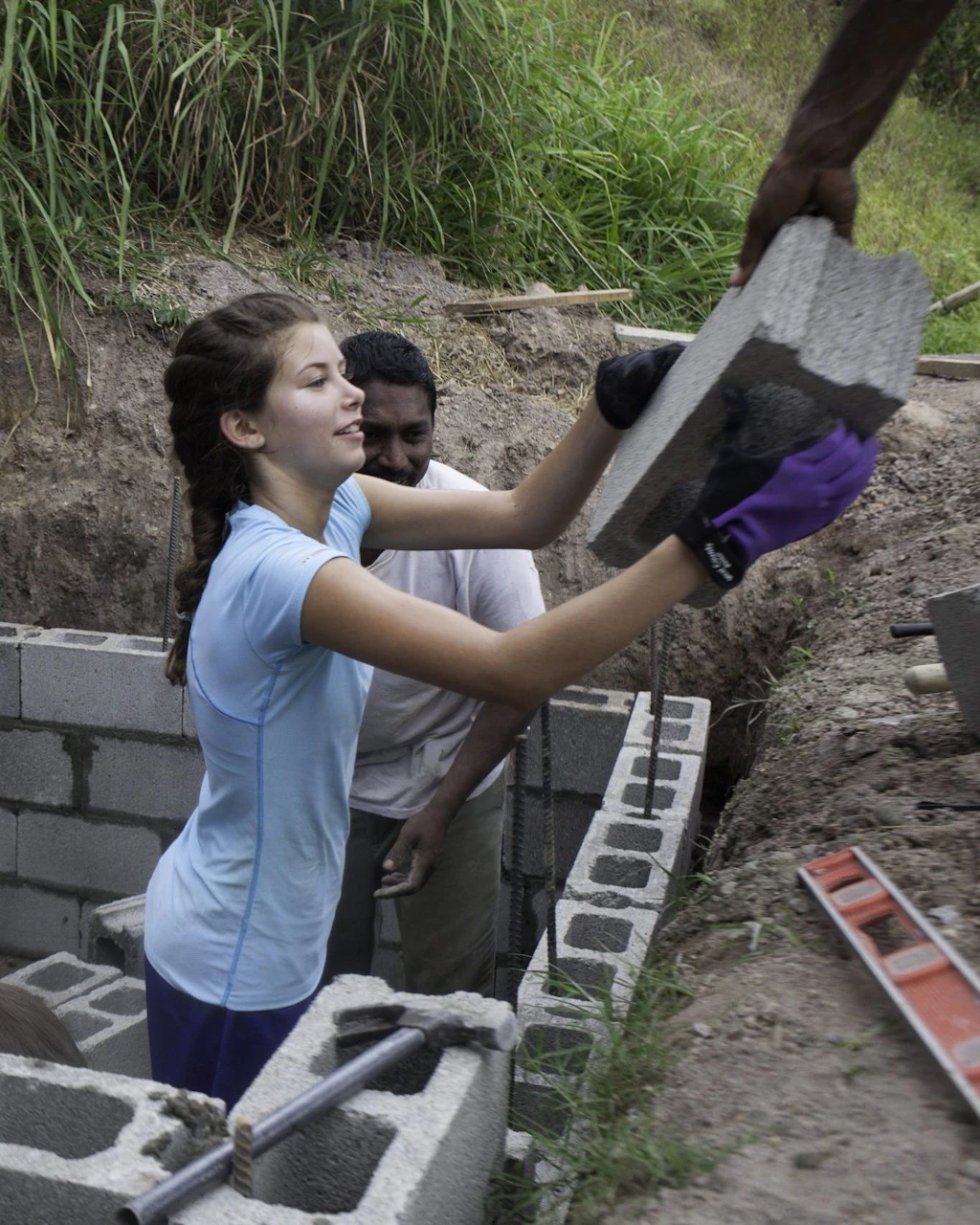
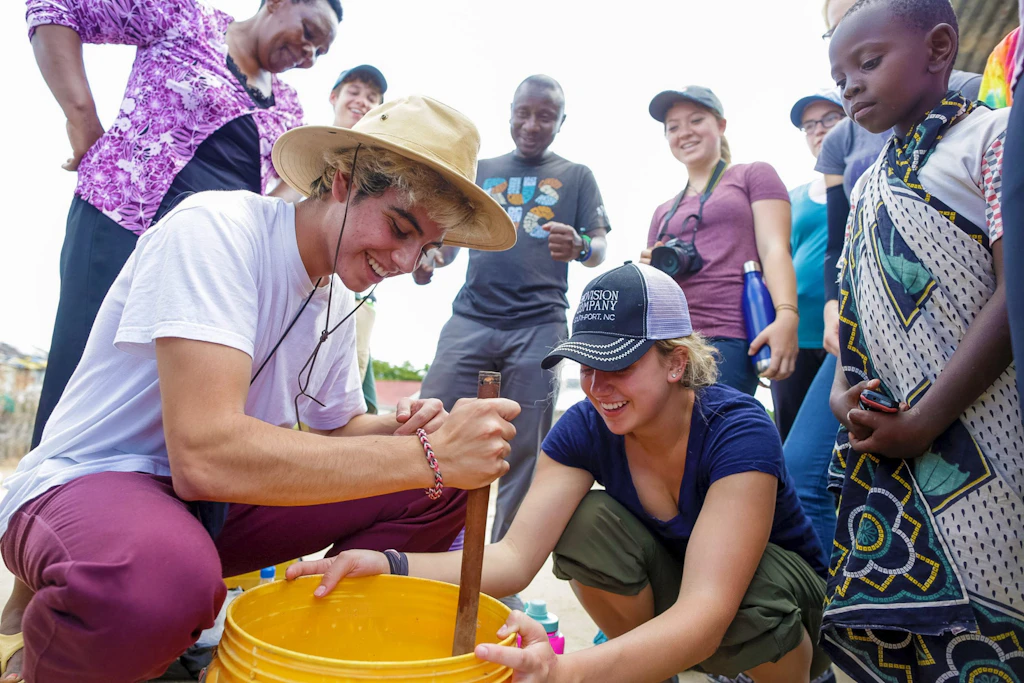
To truly harness the power of service-learning, we need to push for longer, more immersive programs that extend beyond a semester. Travel-based service-learning experiences also show great promise in providing students with real-world context and deeper understanding, further enhancing personal growth and academic development.
If schools want to get serious about elevating student performance and engagement, they need to invest in more robust service-learning opportunities that integrate seamlessly into the curriculum. Anything less misses the mark.
Take 4: The Future of Service-Learning
Service-learning is at a crossroads. COVID taught us that the future of education demands extending beyond traditional classroom learning; service-learning is well positioned to meet this need. Service-learning can blend academics with real-world impact to boost grades and test scores, foster critical thinking, and encourage civic responsibility.
In the future, we’re likely to see service-learning curriculums at schools evolve to include deeper partnerships with communities, more international opportunities, and technology-driven experiences. Schools will need to integrate service-learning more intentionally into their core curriculum to truly unlock its potential. The programs that will stand out will be those that go beyond short-term projects and focus on long-term, meaningful engagement.
I think the future of service-learning is bright, but only if educators and institutions commit to it.
Final Thoughts
Looking at reliable service-learning statistics highlights the lasting impact these programs have on students and communities. The benefits of service-learning are more far-reaching than many realize.
Service-learning matters for students and communities. And it will continue to matter, so long as it is implemented properly.