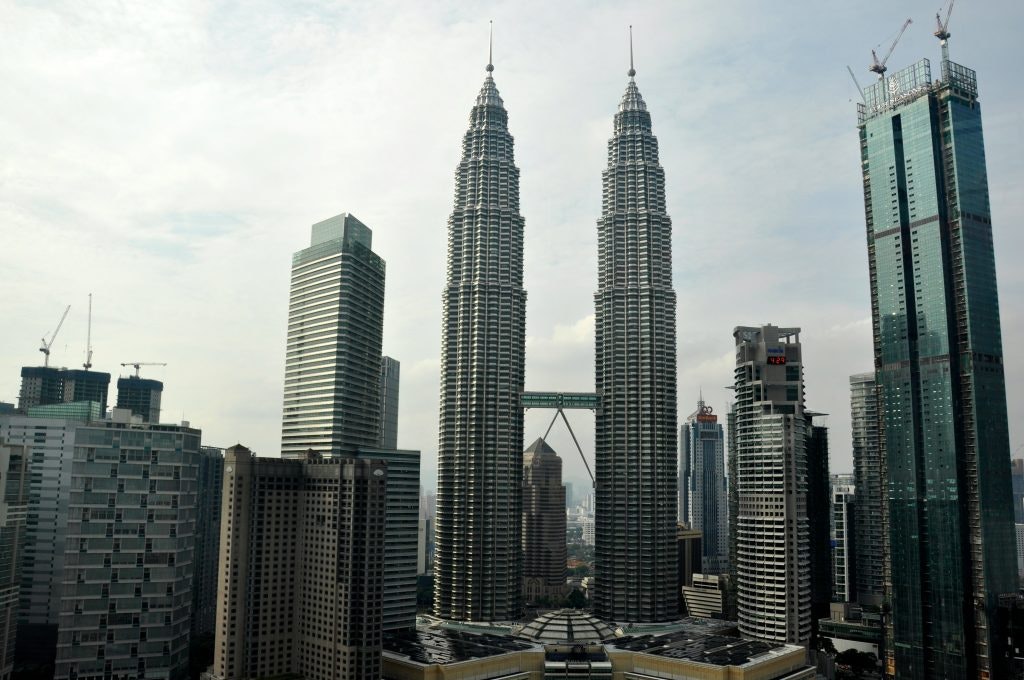
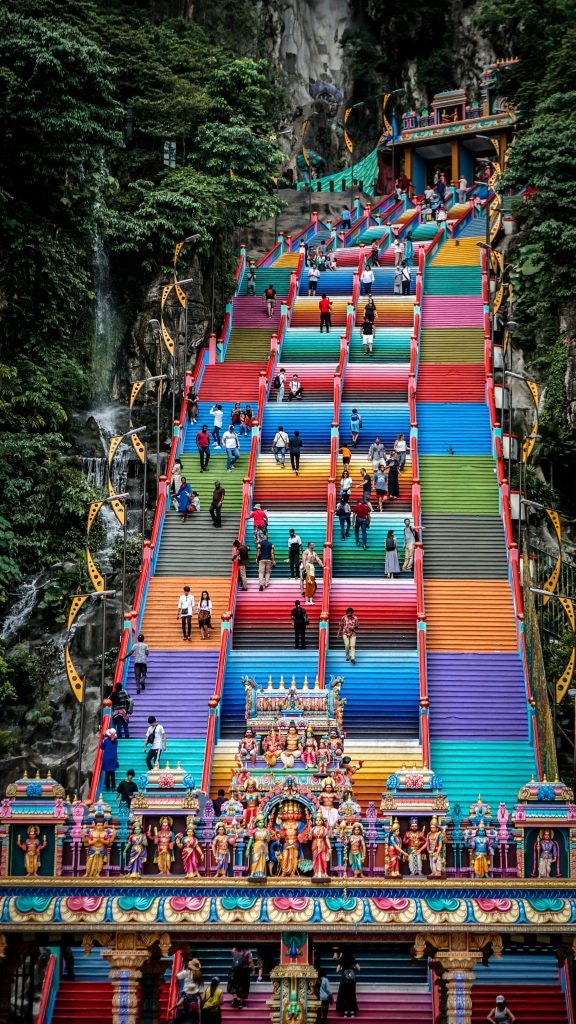
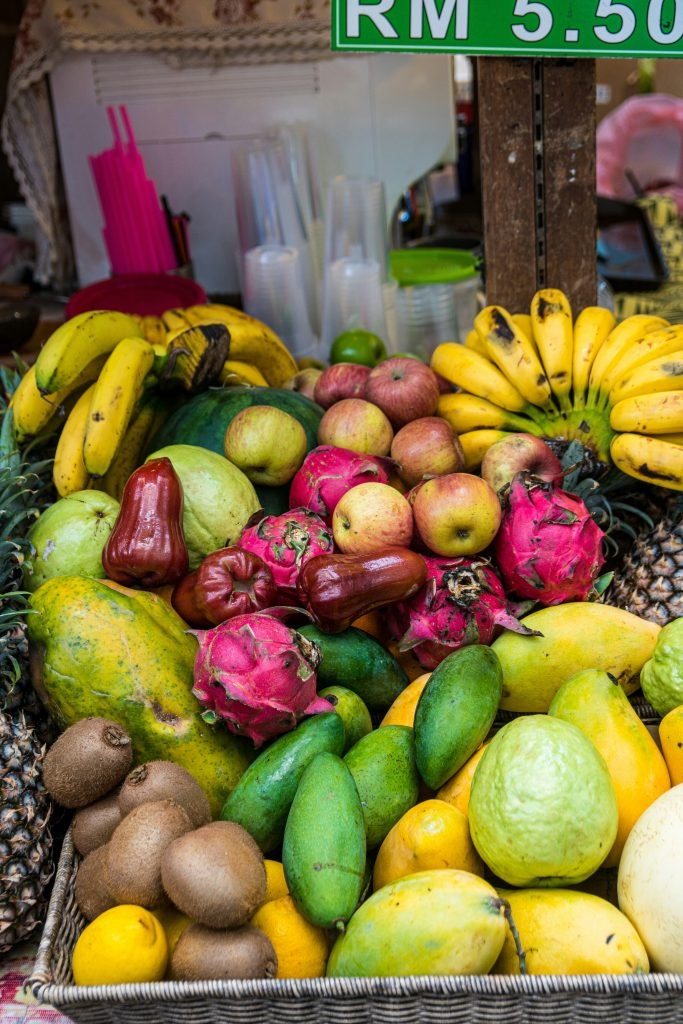
Kuala Lumpur is the capital of Malaysia and the country’s largest city. It is known for its mix of cultures, languages, and religions, with large communities of Malay, Chinese, and Indian people. The city is home to important sites such as the Petronas Towers, the Batu Caves, and the Kuala Lumpur Tower, making it one of the most iconic travel destinations in Asia.
Kuala Lumpur started as a tin mining town in the 1800s and has since become a major center for business, government, and transportation. The city also has one of the tallest flagpoles in the world and a public transit system used by thousands each day. Visitors can explore street food stalls, markets, and neighborhoods that reflect many parts of Malaysian society.
| Key Facts About Kuala Lumpur | Details |
|---|---|
| Population (2025) | 9,000,280 |
| Official Language | Malay |
| Currency | the Malaysian Ringgit |
| Main Religion | Islam |
| Area | 94 sq mi (243 km2) |
| Continent | Southeast Asia |
Why these Kuala Lumpur facts matter
Kuala Lumpur is more than a capital city with famous landmarks. These facts show why it stands out for architecture, religion, green space, markets, and cultural diversity, which are some of the main reasons travelers choose to visit.
If this page is part of a bigger Asia trip search, explore teen travel programs in Asia to see how city experiences fit into a broader regional itinerary.
10 Fun Facts About Kuala Lumpur

- The Petronas Towers are the world’s tallest twin buildings
- Kuala Lumpur hosted the Commonwealth Games as the first Asian city
- Kuala Lumpur was officially granted city status in 1972
- The Malaysian government isn’t based in Kuala Lumpur
- The Batu Caves house Hindu temples
- Kuala Lumpur is a melting pot of cultures, languages and religions
- Kuala Lumpur translates into “muddy confluence” in Malay
- Kuala Lumpur is a city of parks
- Kuala Lumpur is a shopper’s paradise
- Kuala Lumpur was named as one of the New 7 Wonders Cities
Planning a first visit to Kuala Lumpur?
- Best for: Travelers who want skyline views, major landmarks, street food, and multicultural neighborhoods in one city.
- Good trip length: Kuala Lumpur works well as a 2- to 3-day stop on a wider Malaysia or Southeast Asia itinerary.
- Easy first-time route: Start with the Petronas Towers and KLCC area, add Batu Caves, then explore a neighborhood like Chinatown or Little India.
- Getting around: The city’s rail and transit network makes it possible to visit several major sights without needing a car.
1. The Petronas Towers are the world’s tallest twin buildings
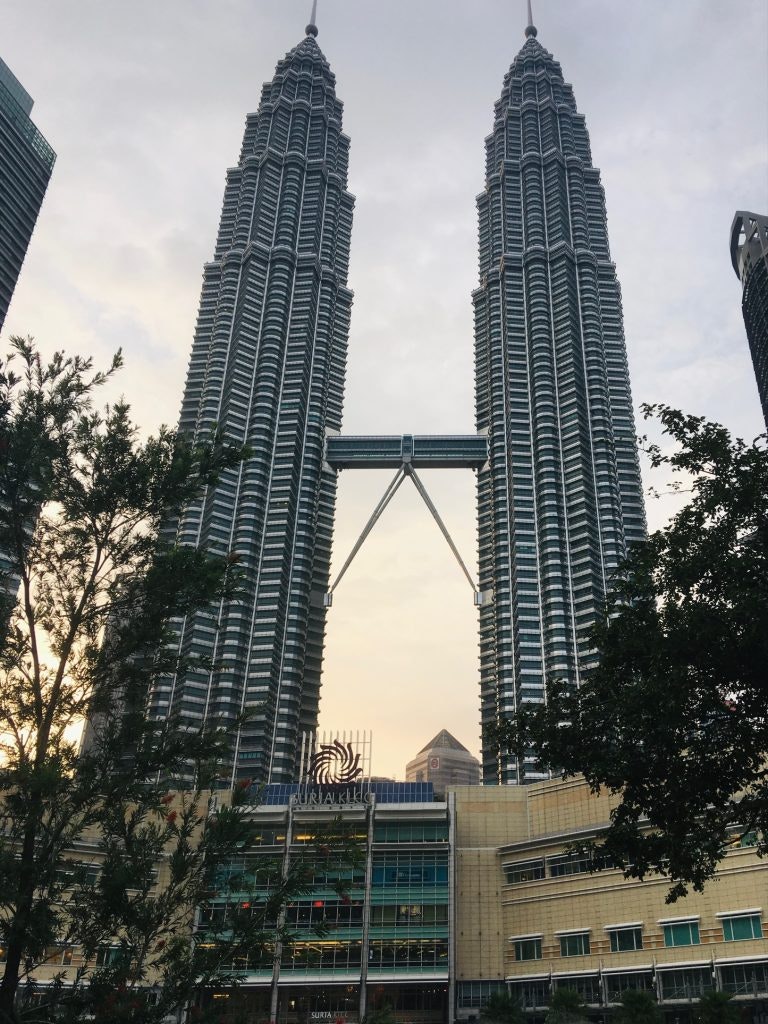
The Petronas Towers in Kuala Lumpur.
The Petronas Towers are one of Kuala Lumpur’s defining landmarks and still hold the title of the world’s tallest twin buildings. For many visitors, they are the image most closely associated with the city’s modern skyline.
Designed by Argentine architect César Pelli, the towers rise to 1,483 feet (452 meters) and helped establish Kuala Lumpur’s global identity in the late 1990s and early 2000s.
Even though taller skyscrapers now exist, the Petronas Towers remain one of the clearest symbols of Kuala Lumpur and one of the city’s most recognizable attractions.
For comparison here’s a list of the world’s tallest twin towers:
| Name | Country | Height (max.) |
|---|---|---|
| Petronas Twin Towers | Malaysia | 1,483 ft (452 m) |
| JW Marriott Marquis Dubai | United Arab Emirates | 1,165 ft (355 m) |
| Emirates Towers | United Arab Emirates | 1,161 ft (354 m) |
| Huaguoyuan Towers | China | 1,099 ft (335 m) |
| One Za’abeel | United Arab Emirates | 1,083 ft (330 m) |
| Hangzhou Greenland Center | China | 1,017 ft (310 m) |
| City of Capitals | Russia | 988 ft (301 m) |
| Lusail Plaza Towers | Qatar | 988 ft (301 m) |
| Yachthouse Residence Club | Brazil | 968 ft (295 m) |
| The Astaka | Malaysia | 915 ft (278.8 m) |
| The Cullinan | China | 886 ft (270 m) |