Learn 5 surprising facts about Antigua and Barbuda that will make you want to book a flight to the Leeward Islands.
>>REQUEST INFORMATION ABOUT: Travel Programs to the Leeward Islands
About Antigua and Barbuda
Antigua and Barbuda is an island nation chain that covers 170 square miles located right where the Caribbean Sea meets the Atlantic Ocean.
In 1493, Christopher Columbus named the main island “Santa Maria La Antigua.” Great Britain colonized Antigua in 1632, and Barbuda in 1678, establishing British influence and West African heritage influences that shape the country in modern days.
The nation’s 97,120 residents live across two inhabited main islands, but there are several smaller ones, including the tiny island of Redonda. Antigua’s 108 square miles contain 97% of the population and the capital city, Saint John’s.
The country is part of the British commonwealth of nations with Charles III as head of state. Today, tourism drives 80% of GDP in the no personal income tax economy.
5 Fun Facts About Antigua and Barbuda
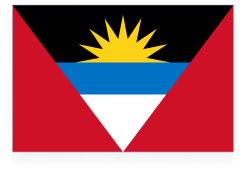
- Antigua’s 365 beaches make it the Caribbean’s most beach-dense nation
- Salt production shaped Antigua’s landscape for 320 years
- Antigua renamed a peak in honor of the former U.S. president Barack Obama
- An $8 billion fraud operation ran from Antigua’s financial district
- The Leeward Islands generated $12 billion from tourism in 2023
1. Antigua’s 365 beaches make it the Caribbean’s most beach-dense nation
In 2021, Forbes ranked 3 of Antigua’s beaches among the Caribbean’s best: Dickenson Bay, Darkwood Beach, and Half Moon Bay. The island’s limestone and coral geology created 95 miles of coastline containing these beaches. Today, beach tourism generates $382 million in annual revenue.
Barbuda’s 17-mile Pink Sand Beach contains a unique mix of crushed coral and shells, creating a rose-colored shoreline visible from satellite imagery. The pink intensity varies seasonally based on shell deposits from ocean currents.
>>KEEP READING ABOUT TRAVELS TO THE CARIBBEAN Belize: Caribbean Reefs & Mayan Culture
2. Salt production shaped Antigua’s landscape for 320 years
In 1640, colonists established Antigua’s first commercial salt ponds by damming coastal inlets. Salt production peaked at 12,000 tons annually in 1872 before declining by 1960 due to refrigeration technology.
Today, these 15 former salt ponds serve as critical habitats for 150 species of migratory birds.