


Playing for Forever is Rustic Pathways’ philosophy that teen travel should be designed for durable life capability rather than short-term résumé or college-admissions value.
—-
Here’s what a lot of people assume: teen travel programs are resume builders and college application fodder. A line that says “I spent somewhere doing some things” so an admissions officer checks a box.
I get it. That’s the common knowledge, but here’s the uncommon knowledge:
We’re not playing for college. We’re playing for life.
Depending on how you write about it, this probably won’t even help your kid get into college. But it will make the difference. It will get them the life they want.
And that’s not a little thing. That’s everything.
A Snack Machine Dinner in Puerto Rico
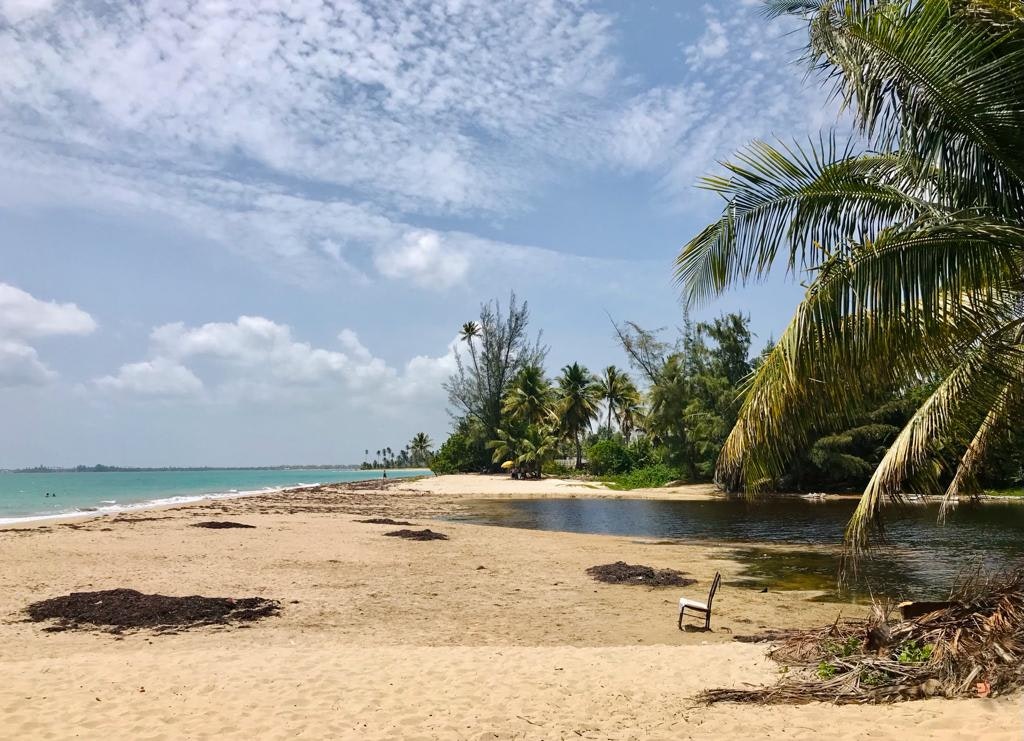
Let me tell you a story.
Years ago, I spent a week in Puerto Rico. It was Easter, and I was on Culebra, a small island off the coast. Puerto Rico is basically Hawaii for East Coasters, and Culebra is the quiet corner where you go to disappear.
Except that Easter week, every resort and hotel on the island ran out of food.
I’m not exaggerating. Dinner that night was a snack machine. The island couldn’t get more supplies until the next morning.
So there I was, staring at a vending machine, when I bumped into two random gringos. They had a plan.
“We’re going to drive around and knock on people’s doors. See if someone will cook us dinner.”
That was the whole plan.
I thought: That’s insane. That’s random. That’s… actually kind of amazing.
I got in the jeep.
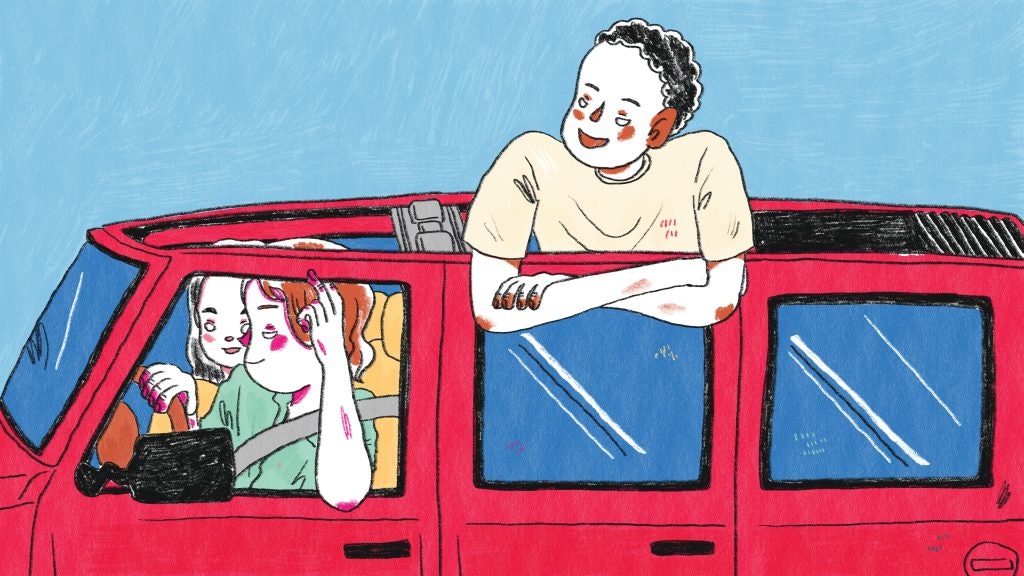
We drove around the island and knocked on residential doors. I didn’t speak Spanish, but they did. Eventually, a door opened. A family invited us in, and we had a home-cooked Puerto Rican meal at a stranger’s kitchen table on Easter.
Sitting there, I had a single thought:
This is the life I want.

What mattered wasn’t Puerto Rico. It was being forced to navigate uncertainty with real people, in a real place. There was no script and no safety net. You just figure it out.
The Domino Effect
Before that trip, I had no desire to leave Maryland. I was perfectly content with my corner of the world.
But that one week, that one random moment with a snack machine and a jeep and strangers who became friends, started a chain of dominoes I’m still watching fall.
I stayed in touch with those gringos for years and visited them in Philadelphia. They opened my eyes to the me that was possible.
After Culebra, I studied Spanish, then Chinese. While in China, I got serious about business, which led to business school at Stanford Graduate School of Business, then startups, then buying businesses, then Rustic Pathways and Seoul National University. That’s the path it took for me. Yours might look completely different.
But the through-line was confidence, adaptability, and comfort with discomfort. It was the belief that I could figure it out, whatever “it” was. That started at a borrowed table on Easter.
One week in Puerto Rico led to a lifetime of saying yes.
Sure, the foundation started with my parents. But I learned the power of language, the power of connection, and the power of being in the place. I learned how to interact with a family you’ve never met and how to connect with people on a human level at a stranger’s table.
I learned so much of that in one week on Culebra.
That’s life. That’s what we give.
My week was an accident. But, it doesn’t have to be. Programs can be built to create these conditions on purpose.
The Big Thing, Not the Small
We’re not in the business of building resumes. We’re in the business of creating moments that change lives.
We’re focused on the big thing, not the small thing. We’re focused on life, not college admissions. We’re focused on forever, not a semester.

The skills your teenager develops on a Rustic Pathways program, the real ones, the ones that matter, aren’t the kind you list on an application. They’re the kind that show up twenty years later when they’re sitting at a stranger’s kitchen table in a country they never planned to visit, thinking: This is the life I want.
We’re playing for posterity, for life, for forever.
Which, in some ways, is far more valuable than any acceptance letter.
I can’t promise one week will change your child’s life.
But I can tell you it changed mine.
One week can change everything.
