Peru Student Travel and Volunteer Programs for Teens

Rustic Pathways’ Peru: Sacred Valley Service is a 12-day, high-altitude student immersion program where teens ages 14–18 complete 20 hours of community-led infrastructure work while living in a four-night homestay inside the ancient Sacred Valley, an Andean corridor of Inca agricultural terraces and Quechua communities.

Students support projects such as potable-water micro-infrastructure or school construction before traveling by train to explore Pisac, Ollantaytambo, Cusco, and Machu Picchu. See all Peru programs.

✔︎ Since 1983✔︎155,000+ Alumni✔︎6:1 Staff Ratio✔︎4.9/5.0 Rating

Explore Summer Programs in Peru

Spend part of your summer in Peru living with host families in a Sacred Valley village and contributing to community-led service projects. Programs blend hands-on infrastructure work, Andean cultural immersion, and outdoor adventure at altitude. Students experience homestay life, explore Inca history, and build confidence through shared group activities.

Sacred Valley Service

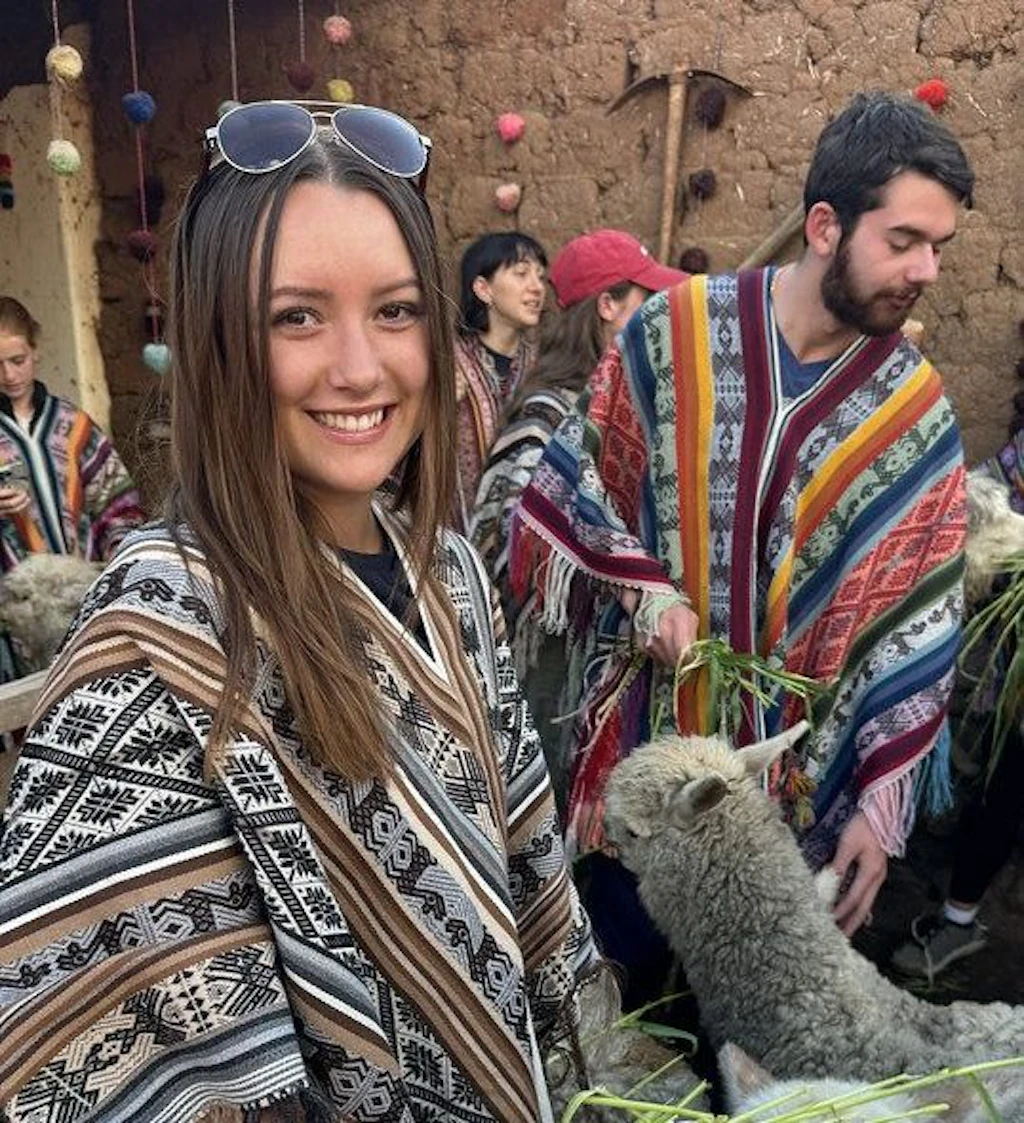
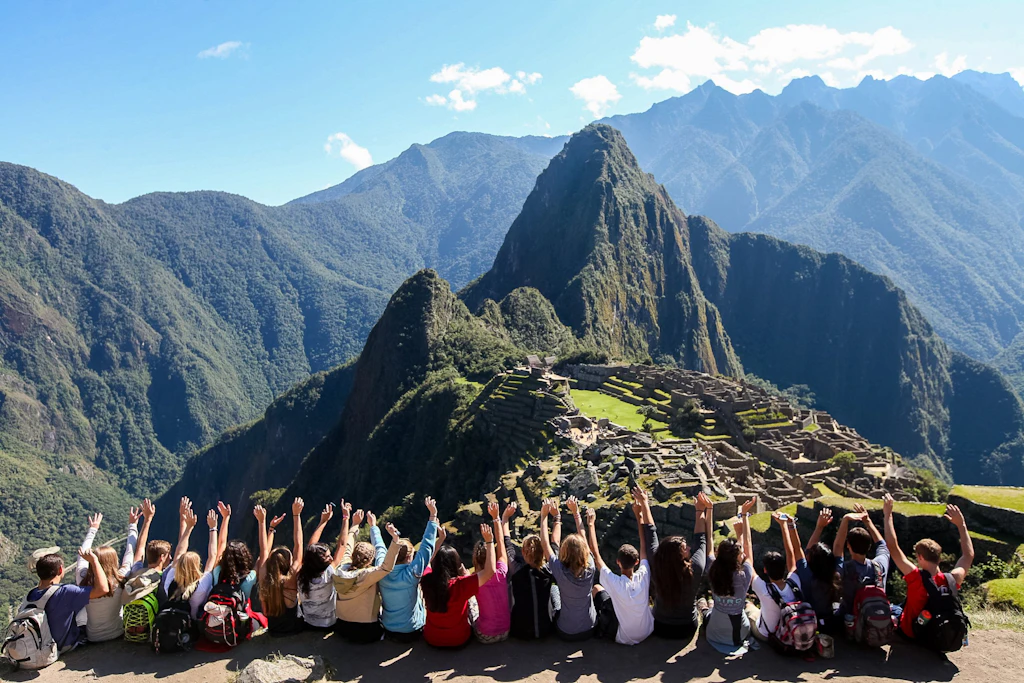
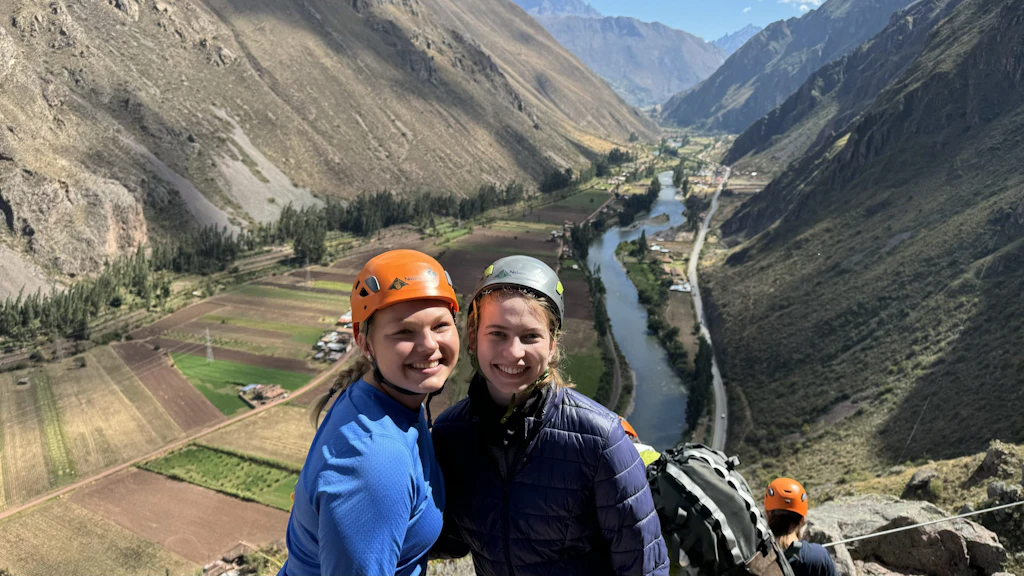
Live with a host family for four nights while supporting community-identified projects such as potable water systems, school construction, and reforestation efforts. This Peru trip pairs service with cultural exploration, including a guided train journey to Machu Picchu (a UNESCO World Heritage Site), via ferrata climbing, stand-up paddleboarding on a high-altitude lake, and weaving and chocolate-making workshops led by local artisans.

Best for: Teens interested in service learning, homestay immersion, and exploring Inca history firsthand.

Peru: Sacred Valley Service →

Compare Costa Rica Teen Travel Programs

Program Country Duration Ages Max Students Cost Service Hours
Sacred Valley Service Peru 12 Days 14–18 20 $4,195 + Airfare 20

Sacred Valley Service

Duration12 Days
Ages14–18
Service Hours20
Cost$4,195 + Airfare

View Program

Why High School Students Choose Peru

Peru’s Sacred Valley offers meaningful, community-led service paired with immersive homestay life with local farmers. Students work on projects identified by local leaders and gain practical skills while contributing to real infrastructure improvements.

The region’s mountains, Inca sites, and traditional village communities create a setting that builds confidence, cross-cultural understanding, and 20 verified service hours.

Accommodations and Daily Life

Students stay with host families in a Sacred Valley village, sharing simple, comfortable rooms that reflect rural Andean life. Meals feature traditional dishes prepared by local cooks, often using ingredients sourced directly from the surrounding fields. Daily life follows a calm mountain rhythm, giving students time to connect with their hosts and adjust to village routines.

Safety, Impact, and Transformation: The SIT Process

Safety

From arrival in Cusco to village life in the Sacred Valley, students are supported by trained Rustic Pathways staff. Transportation, homestays, and activities are arranged with vetted partners and licensed operators. Peru is a stable and welcoming destination, and staff guide students on cultural expectations and safe participation throughout the program.

Impact

Every activity connects to a clear learning goal and a local priority. Students contribute to infrastructure projects identified by community leaders and learn traditional skills from local artisans. These experiences are purposeful for both students and community partners.

Transformation

Students return with greater independence, cultural fluency, and 20 verified service hours. Homestays build adaptability and self-trust, while service work strengthens teamwork and problem-solving. Shared experiences in the Andes leave many students more grounded and more connected to the wider world.

What Your Teen Will Gain in Peru

Independence and Confidence

Living with a host family, navigating Andean landscapes, and contributing to hands-on service projects builds resilience. Students learn to adapt to new environments and trust their own capabilities in settings that require practical problem-solving.

Culture Through History and Relationship

From ancient Inca sites to present-day Andean traditions, students encounter Peru as guests rather than tourists. They see how history lives through communities, language, and daily rhythms.

Connection That Crosses Borders

Shared meals, shared work, and shared routines in both homes and project sites create friendships that often last beyond the program. Teens return with relationships rooted in humility, effort, and common purpose.

Service with Perspective

Students complete 20 verified service hours, supporting infrastructure projects identified by local partners. The deeper learning comes from understanding what it means to contribute responsibly within another community.

This is not easy travel. But it is meaningful travel, and it often leads to a steadier sense of self.

The first drop fell and cheers erupted. Local children sprinkled confetti in thanks as the village gathered around the new water tank. Ishmael hugged me, crying, saying he never wanted me to leave. For the first time, the community had access to clean, drinkable water.

Quote by: Zach Gross Rustic Pathways Alumni

Frequently Asked Questions About Teen Travel to Peru

chevron

Is Peru safe for teen travel programs?

Yes. Rustic Pathways has operated in Peru since 2008 with experienced local staff, vetted accommodations, and reliable transportation.

What service work do students complete?

Service projects are identified each year based on community needs. Recent projects have included local school construction, potable water infrastructure, and reforestation. Students complete approximately 20 hours of hands-on service.

How many service hours will my teen earn?

Students earn 20 verified community service hours.

What is the homestay like?

Students spend four nights with host families in a Sacred Valley village. They have beds in a private room shared with other Rustic students, access to flushing toilets and non-heated showers, and limited electricity. Meals are shared with host families.

Does my teen need to speak Spanish?

No. Basic Spanish and Quechua phrases are introduced during the program, and bilingual staff support communication throughout.

What is included in the program fee?

Accommodations, meals, in-country transportation including two internal flights, all activities and entrance fees, airport transfers, staff support, and medical evacuation coverage. International airfare to and from Lima is self-managed.

What are accommodations like?

Students stay in hotels in Pisac, Ollantaytambo, and Cusco with electricity, showers, and flushing toilets. The four-night homestay offers simpler conditions with limited electricity.

How physically demanding is the program?

Moderate to high. Students participate in construction-style service projects, hike at altitude, climb a via ferrata, and bike through hilly terrain. Good physical fitness is recommended.

Does my teen need a visa to travel to Peru?

Most students from the United States do not require a visa for short-term stays. Families should verify entry requirements for their nationality.

What is a typical day like during the homestay?

A typical day includes morning service work with community members, lunch with the group or host family, afternoon activities such as hiking or cultural exchange, dinner with host families, and evening reflection or free time.

Is the train to Machu Picchu included?

Yes. The scenic train journey from Ollantaytambo to Aguas Calientes and back is included in the program fee.

What makes this different from a Machu Picchu tour?

This is a service-learning program, not a sightseeing tour. Students spend four nights with host families contributing to community projects before visiting Machu Picchu. The focus is hands-on work and cultural immersion, with adventure and exploration woven throughout.

Can my teen handle the altitude?

Yes. The Sacred Valley sits between 2,800 and 3,400 meters (9,200–11,150 feet), with Cusco at approximately 3,400 meters. The itinerary is designed for gradual acclimatization, starting in the lower Sacred Valley before moving to higher-elevation Cusco. Staff monitor students for altitude-related concerns throughout the program.

Is this program right for my teen?

This program is best for students who want a balance of service and exploration, are comfortable with physical activity, and are open to living with a host family in a rural village. Teens should be ready to work alongside community members, try unfamiliar foods, and navigate limited electricity and non-heated showers during the homestay. Students who thrive here are curious, adaptable, and motivated by hands-on contribution rather than sightseeing alone.

What should my teen pack for Peru?

Pack layers for variable mountain weather, sturdy shoes for service work and hiking, and clothes you don’t mind getting dirty during construction projects. Rustic Pathways provides a detailed packing list after enrollment.

Is the hike to Machu Picchu difficult?

The program takes a scenic train to Aguas Calientes, not the multi-day Inca Trail trek. From Aguas Calientes, students take a bus up to the ruins and then walk through the site on uneven stone paths with stairs. The walking is moderate, not strenuous, but good footwear is essential.

How is this program different from volunteer programs with Global Leadership Adventures?

The main difference between Rustic Pathways and Global Leadership Adventures is that Rustic Pathways has operated in Peru since 2008 with permanent local staff and established community partnerships. Service projects are identified each year based on needs expressed by community leaders, not predetermined by the organization. The four-night homestay provides deeper cultural immersion than programs based in hotels or hostels.

Schools and Private Groups

Custom Peru itineraries are available for schools, youth groups, and private cohorts. Options include service-focused programs, archaeological exploration, and cultural immersion experiences. For spring travel, see Spring to the Sacred Valley.

Ready to Explore Peru?